
-
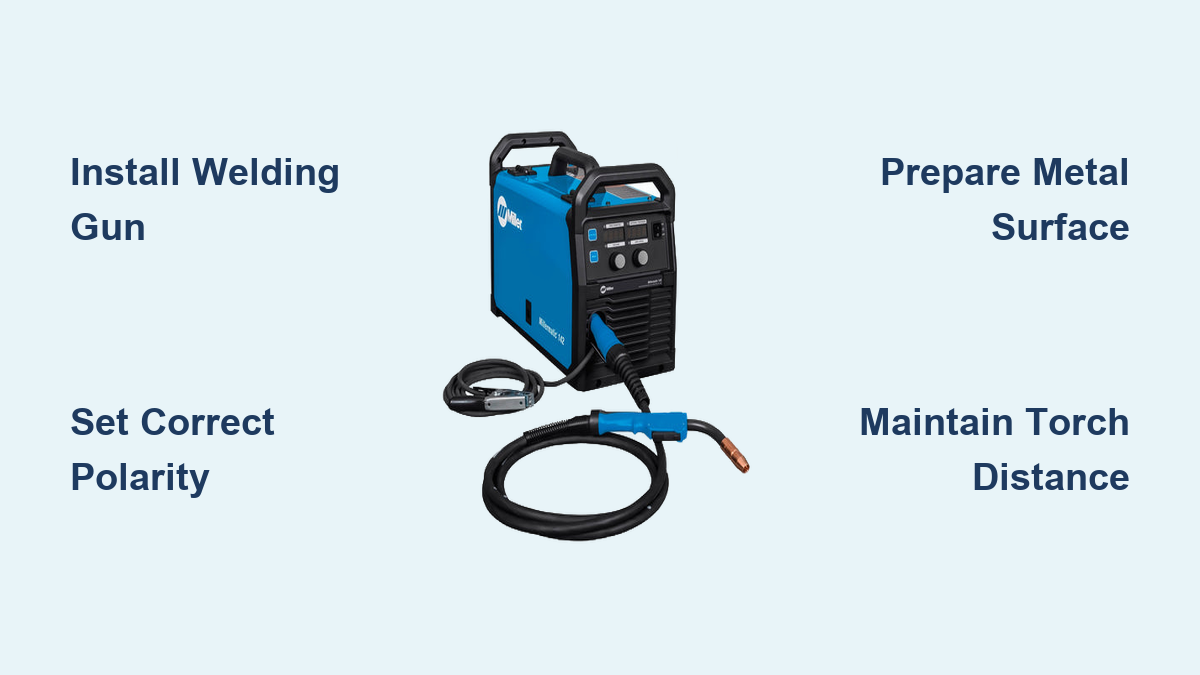
Nothing stops a fabrication project faster than a poorly executed weld, but mastering your Miller welder unlocks professional-quality results for everything from automotive repairs to custom metal art. Whether you’re using a compact 90-amp unit for thin sheet metal or a powerful 300-amp system for thick structural work, understanding the complete workflow ensures safe operation…
-
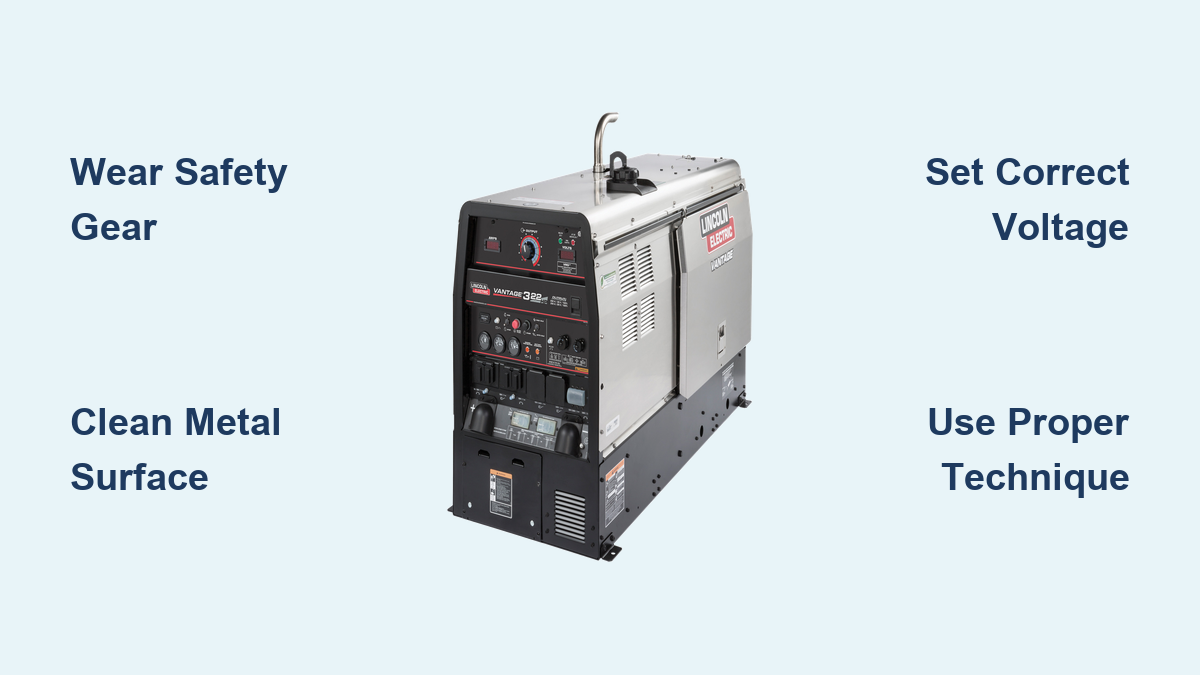
Welding transforms raw metal into functional creations, and a Lincoln welder gives you the power to make it happen. When you fire up your first Lincoln machine, you’re joining a century-long tradition of quality welding equipment that professionals trust. Whether you’re repairing a trailer hitch, building a custom grill, or fabricating shop tools, knowing how…
-
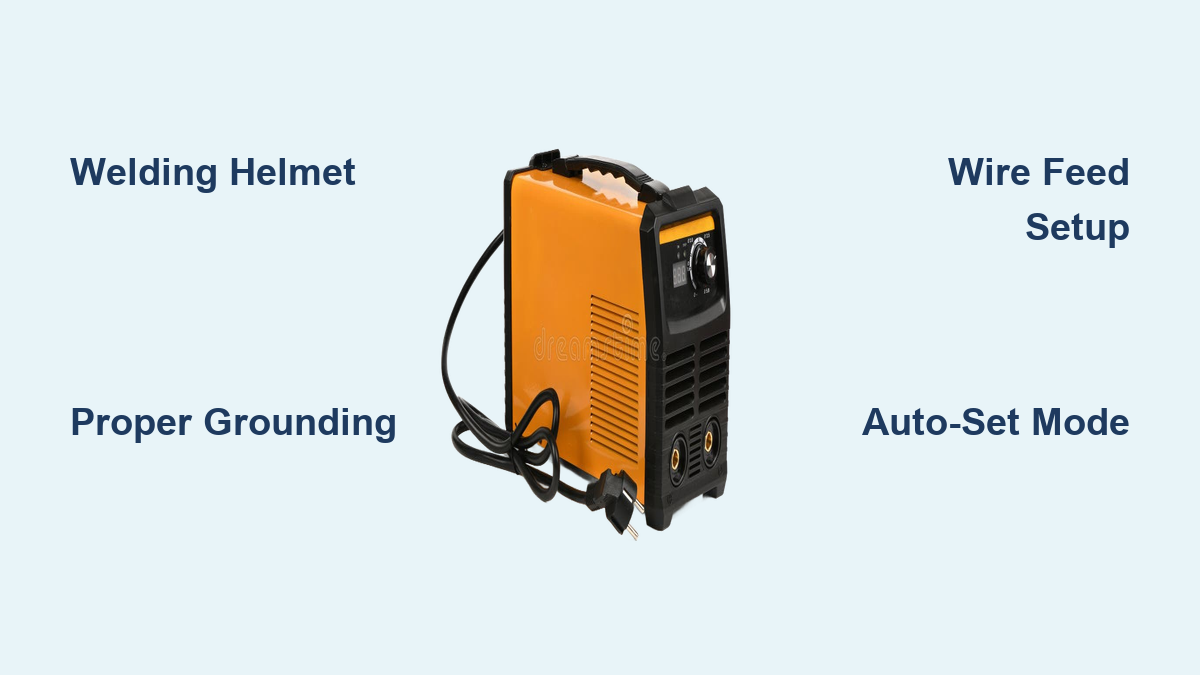
Inverter welders have revolutionized the welding industry by combining sophisticated microprocessor technology with compact, portable design. Whether you’re a hobbyist tackling your first automotive restoration project or a fabricator looking to expand your capabilities, learning how to use an inverter welder opens doors to precise, consistent welding across a wide range of applications. These advanced…
-
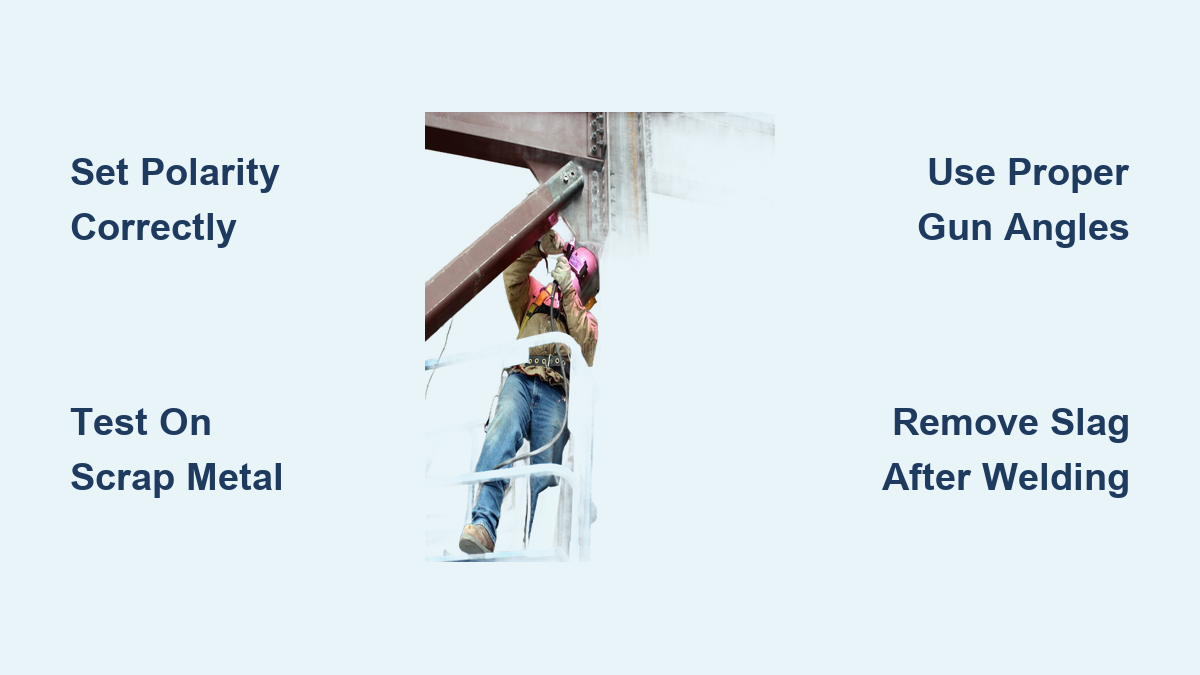
Struggling with weak welds or frustrating spatter when learning how to use a flux welder? You’re not alone. Flux core welding offers DIYers and hobbyists a powerful method that works outdoors without gas tanks, but improper technique leads to cracked joints, porosity, and wasted materials. Unlike gas-shielded MIG welding, flux core generates its own protective…
-
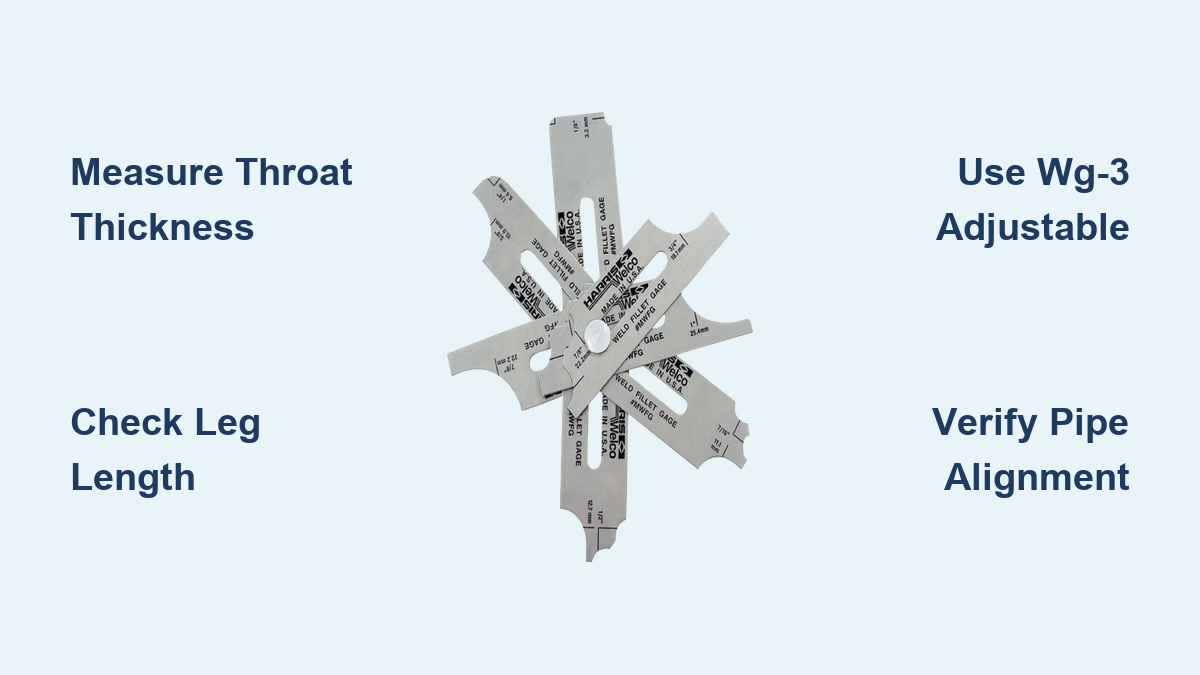
A properly measured fillet weld determines whether your joint will hold under stress or fail catastrophically. Knowing how to use a fillet weld gauge correctly separates skilled welders from amateurs, ensuring your work meets structural specifications and safety standards. These precision instruments verify two critical measurements—throat thickness and leg length—that directly impact a weld’s load-bearing…
-
When your bandsaw blade snaps mid-cut, the ability to weld it back together saves you from costly replacements and frustrating downtime. Instead of paying premium prices for pre-welded blades, you can create custom-length blades from bulk coil stock, repair broken blades on the spot, and extend the life of expensive bimetal material that would otherwise…
-

Welding sunburn strikes fast—sometimes within minutes of exposure—and hits harder than regular sunburn due to the intense UV radiation from welding arcs. If you’ve ever felt that sudden burning sensation on your face or neck after welding, or experienced the gritty, sand-in-the-eyes pain of arc eye, you know how critical proper treatment is. This painful…
-
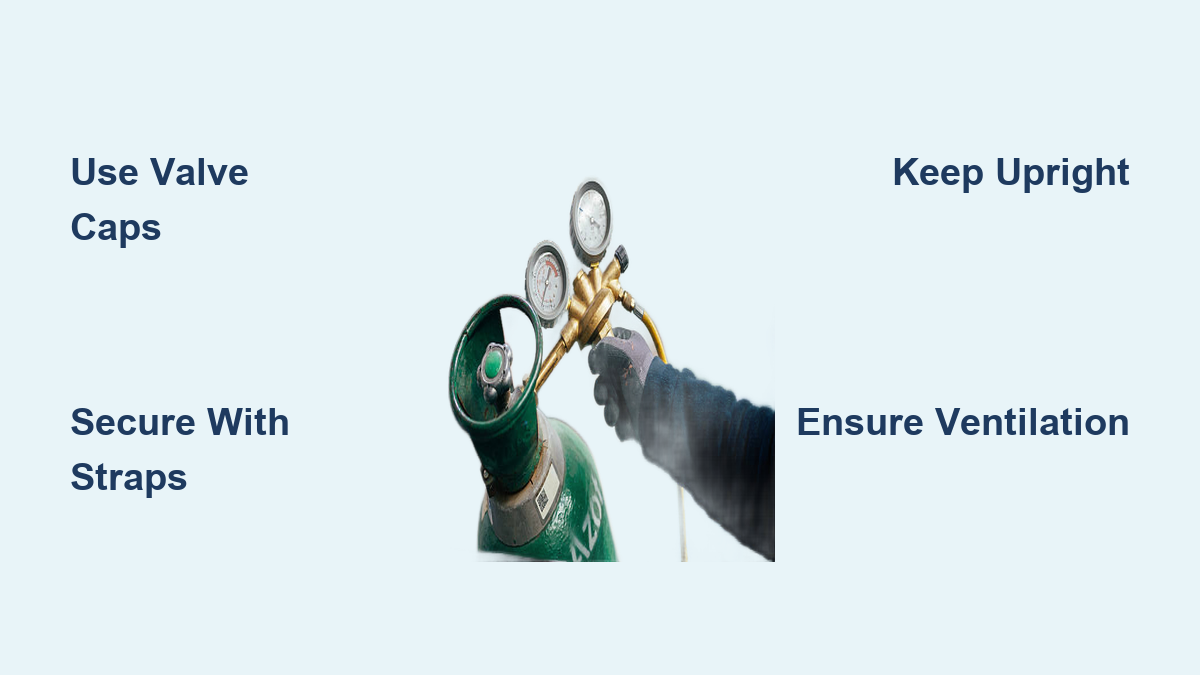
Moving welding gas cylinders might seem as simple as strapping them in your vehicle and hitting the road, but improper transport techniques put you at serious risk. Every year, hundreds of welding enthusiasts and professionals face regulatory fines, cylinder damage, or even dangerous accidents because they didn’t follow proper transport procedures for their argon, oxygen,…
-
TIG welding steel produces the cleanest, highest-quality welds of any arc welding process, creating precise joints with minimal cleanup required. This technique uses a nonconsumable tungsten electrode to generate an intense arc that melts the base metal while argon gas shields the weld zone from atmospheric contamination. Unlike MIG welding, TIG requires manual filler rod…
-
Tack welding separates professional welders from hobbyists who struggle with misaligned parts and warped projects. When you’re working on automotive repairs, structural steel assemblies, or precision fabrication, knowing how to tack weld properly determines whether your final weld holds or fails catastrophically. These strategically placed temporary welds maintain perfect alignment while preventing movement during the…