
-
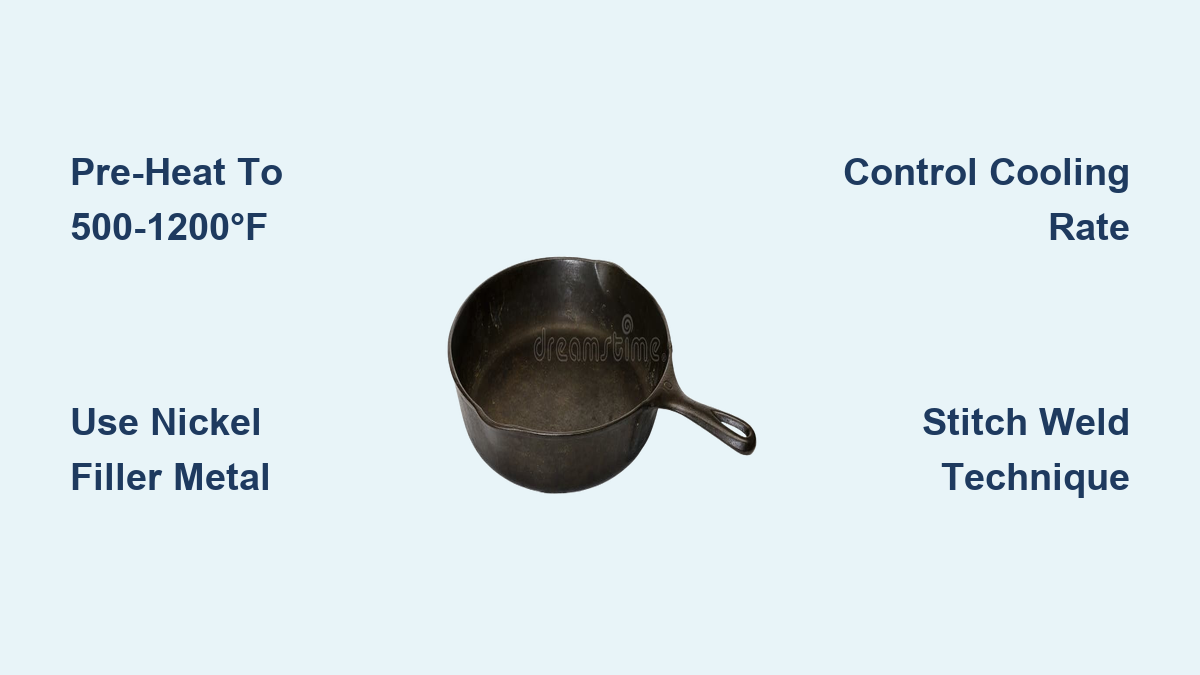
Cast iron repair presents unique challenges that test even experienced welders. When your cast iron component develops a crack or break, you might instinctively reach for your TIG welder, but this material demands special attention. Unlike steel or aluminum, cast iron’s high carbon content creates significant hurdles during the welding process. The distinctive gray color…
-
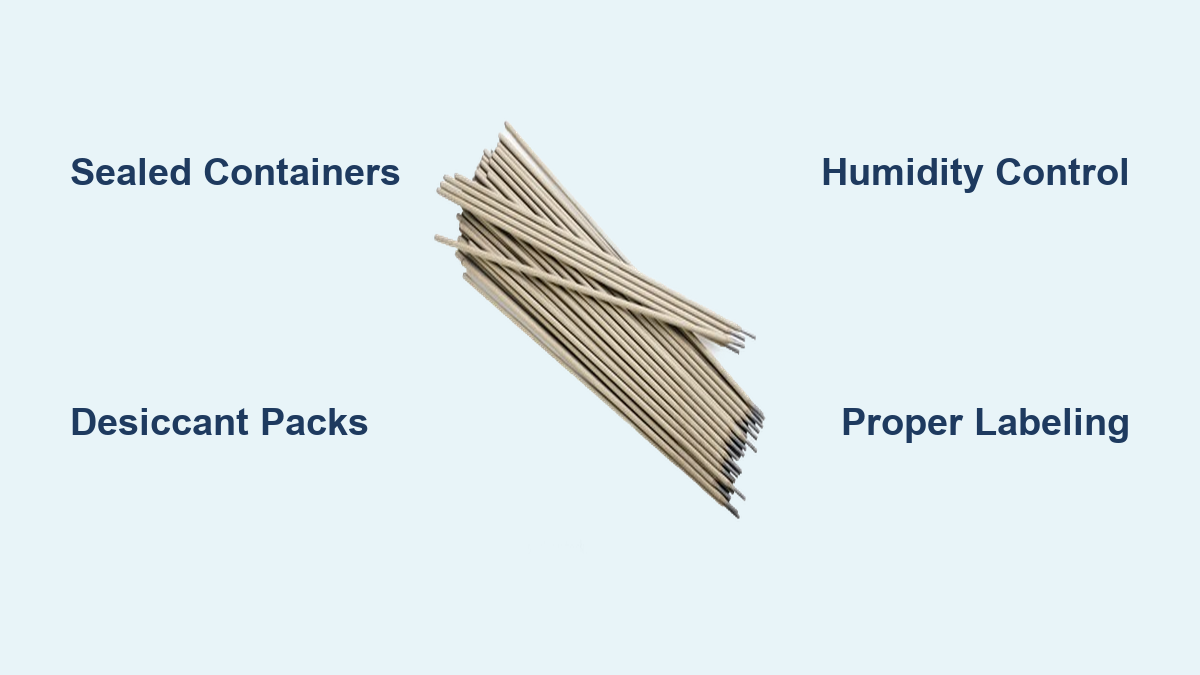
Welding rods sitting in a damp garage or exposed to workshop humidity could be silently sabotaging your welding projects. Many welders discover too late that their weak welds, excessive spatter, and mysterious porosity stem from improperly stored electrodes rather than operator error. Understanding how to store welding rods properly transforms frustrating welding experiences into consistent,…
-
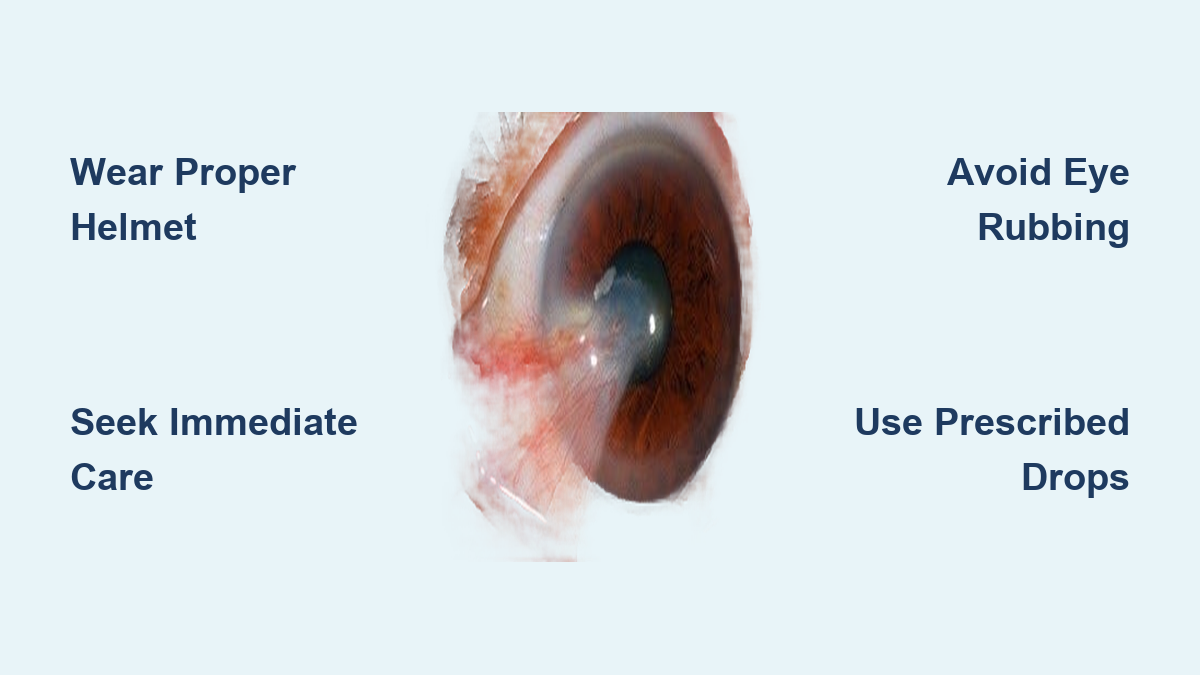
That searing pain behind your eyelids after welding isn’t just discomfort—it’s a medical emergency requiring immediate action. When ultraviolet radiation from welding arcs damages your corneal tissue, the resulting condition—known as “welder’s flash” or “arc eye”—can transform a routine workday into a nightmare of pain that peaks hours after exposure. Understanding how to stop eyes…
-
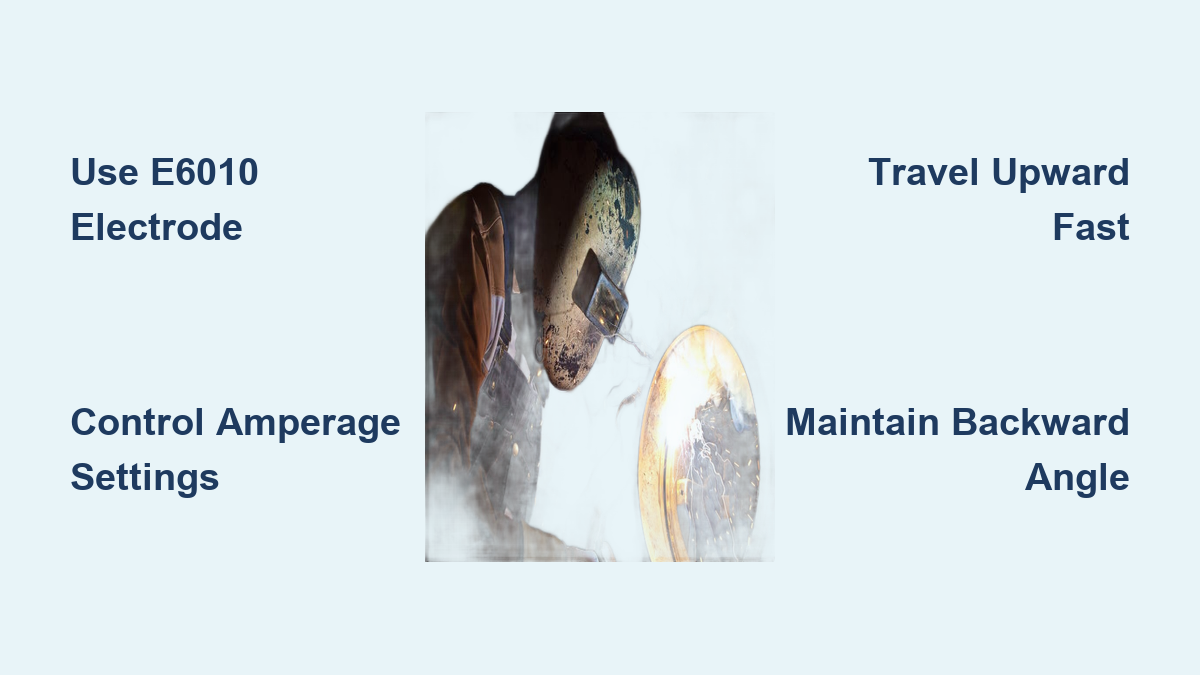
Vertical stick welding challenges even experienced welders as gravity fights against your molten weld pool. Unlike flat or horizontal positions where metal flows naturally, vertical welding requires specialized techniques to prevent sagging, undercutting, and poor fusion. This guide reveals the exact methods professional welders use to conquer vertical stick welding, whether you’re working on structural…
-
Stick welding thin metal challenges even experienced fabricators who struggle with the delicate balance between penetration and burn-through. The core issue stems from heat management—thin sheets (14-gauge down to 24-gauge) react instantly to temperature changes, offering little margin for error. Unlike thicker materials that absorb excess heat, thin metal requires precise technique to create strong…
-
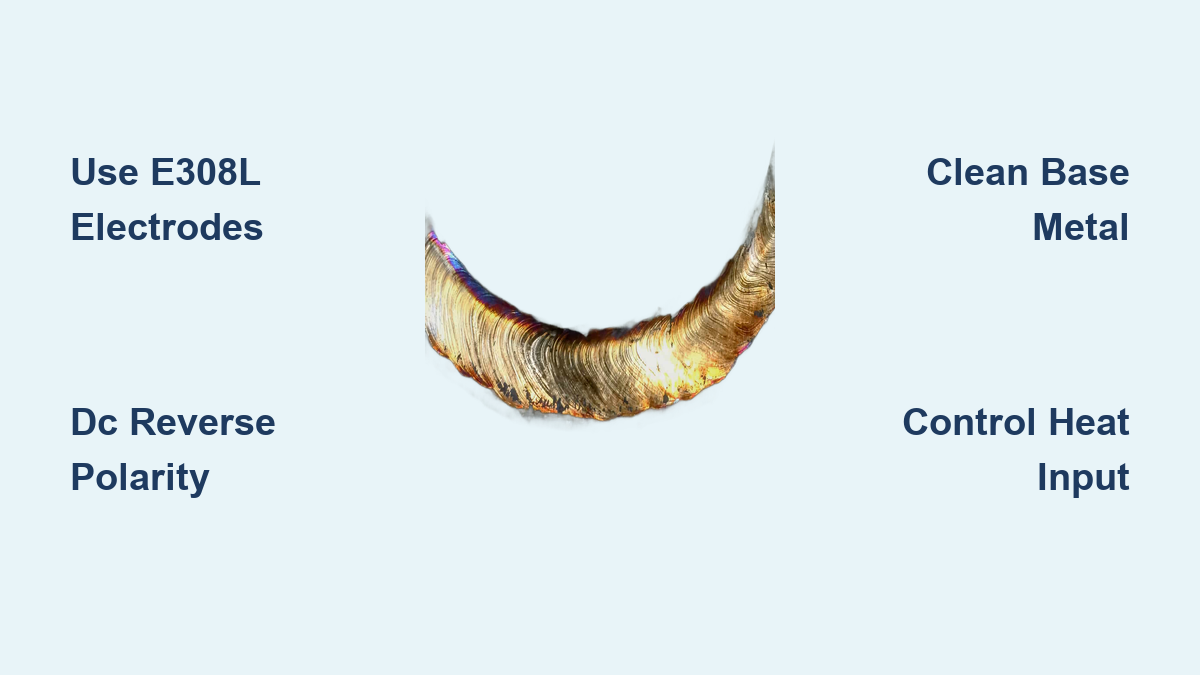
Stainless steel stick welding presents unique challenges that catch many welders off guard. Unlike carbon steel, stainless contains chromium (10.5-20%) that creates a protective oxide layer but also concentrates heat in the weld zone due to lower thermal conductivity. One frustrated fabricator recently ruined a $500 stainless sink by using the wrong electrodes and excessive…
-
Nothing compares to the satisfaction of fusing metal with your own hands—whether you’re repairing a broken trailer hitch or creating custom artwork. If you’ve ever felt intimidated by the sparks, equipment, and technical aspects of welding, you’re not alone. Thousands of beginners discover that with the right approach, learning how to start welding is more…
-
Struggling to strike a consistent arc when learning how to start a stick weld is one of the most common frustrations for beginners. That moment when the electrode sticks to your workpiece instead of producing a steady arc can make you question whether welding is for you. Stick welding (SMAW) remains one of the most…
-
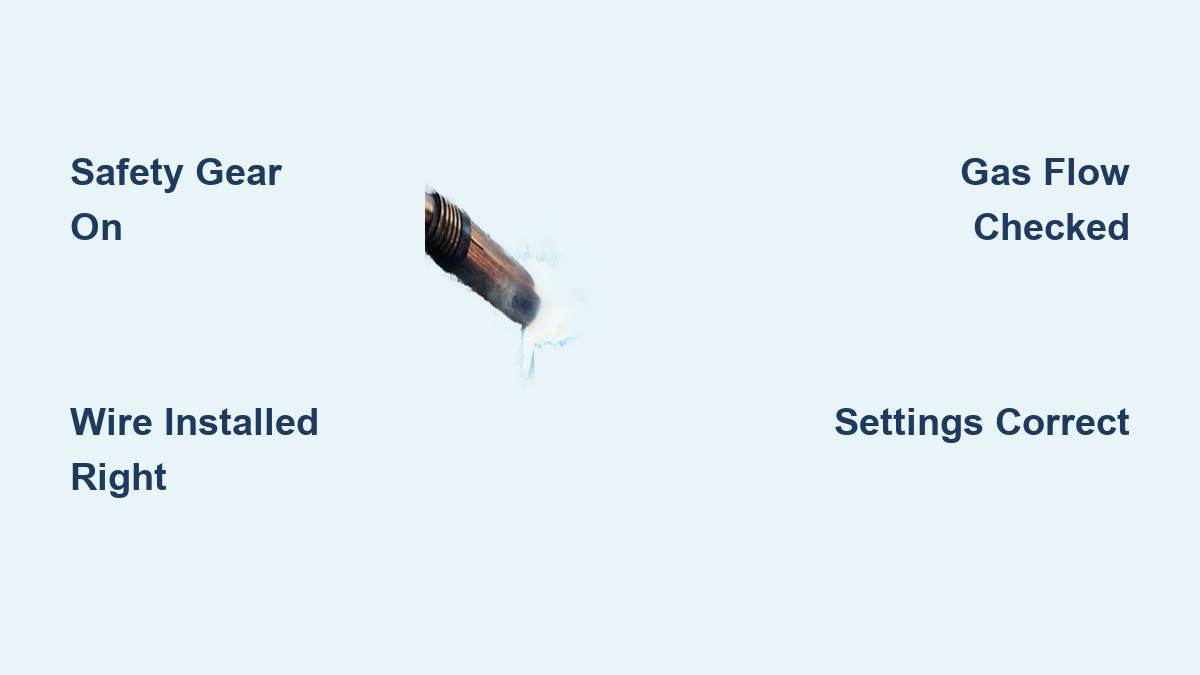
You’ve just unboxed your new MIG welder and are ready to make your first weld, but the machine sits there silently while you wonder where to begin. Many beginners make critical mistakes during initial setup that lead to frustrating spatter, weak welds, or even safety hazards—without proper guidance, that expensive machine might as well be…
-
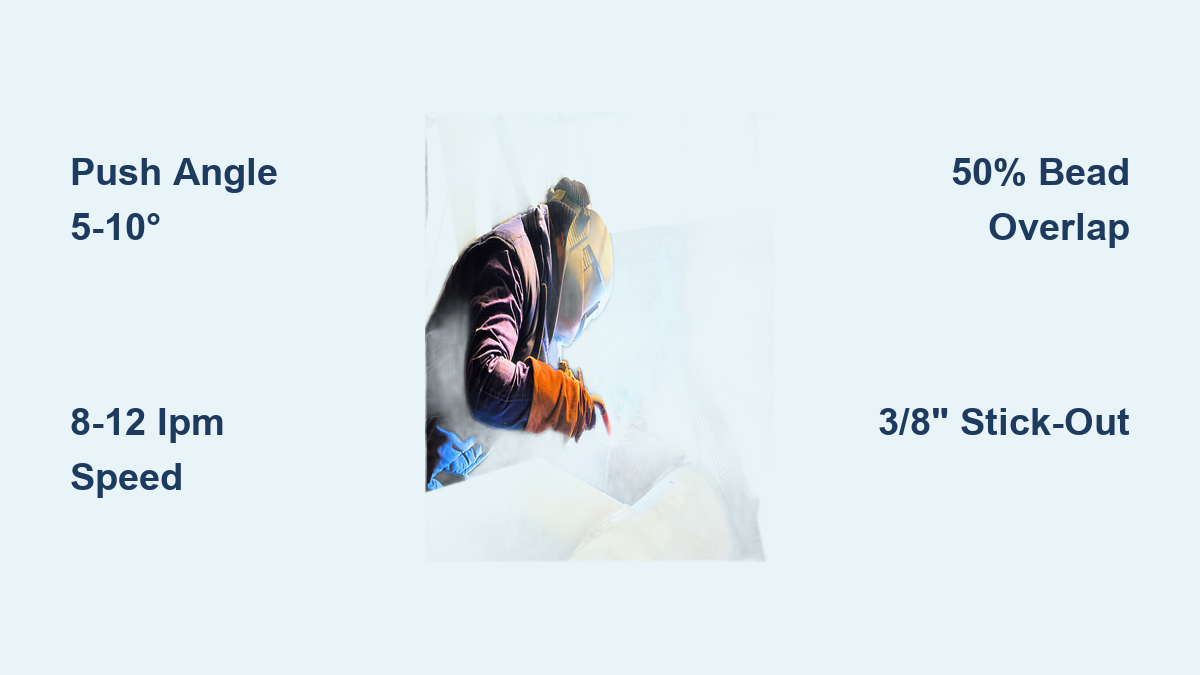
When your MIG weld beads resemble a neat stack of coins instead of a messy blob, you’ve achieved what professional welders call “stacking dimes”—the gold standard for demonstrating precise weld pool control. This technique isn’t just about aesthetics; it proves you’ve mastered the delicate balance of travel speed, gun angle, and heat input required for…