
-
Welding produces invisible but dangerous fumes that can cause serious long-term health problems when inhaled regularly. Whether you work in a manufacturing facility, automotive shop, or do fabrication at home, understanding how to prevent inhaling welding fumes is essential for protecting your respiratory system and overall health. These microscopic particles contain metals, oxides, and toxic…
-
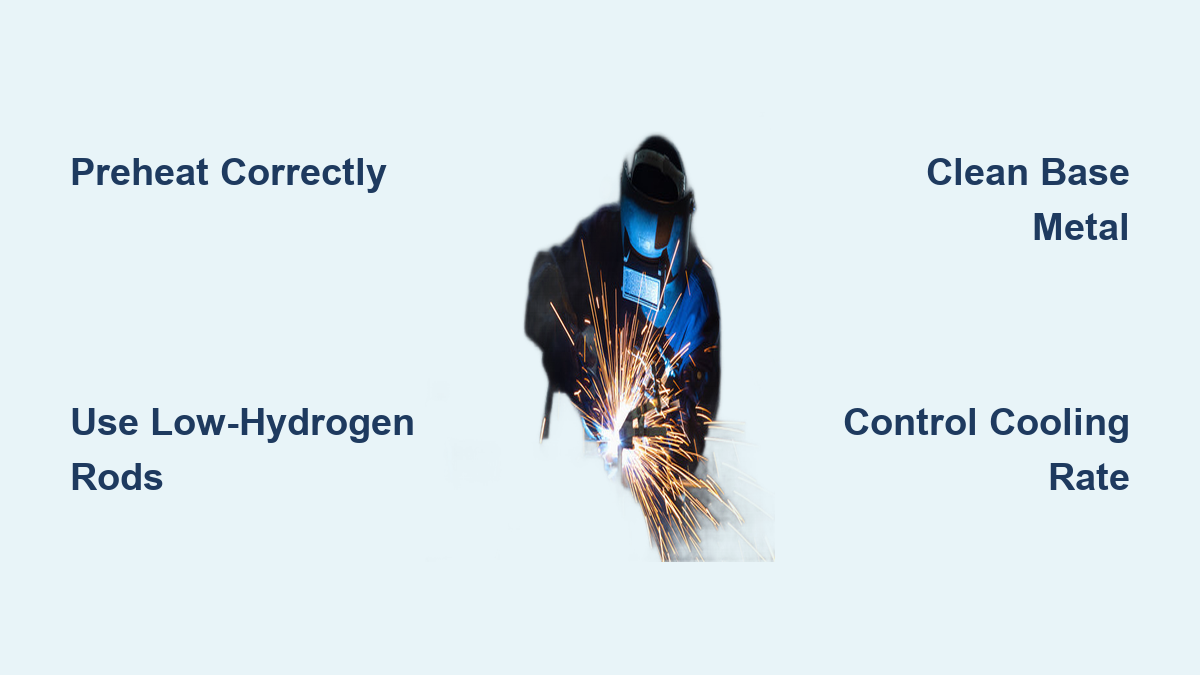
Welding cracks represent one of the most serious defects in metal fabrication, compromising structural integrity and potentially leading to catastrophic failures. When your carefully crafted weld develops cracks, it’s not just a cosmetic issue—it’s a critical weakness that could cause your entire project to fail under stress. Understanding how to prevent crack in welding is…
-
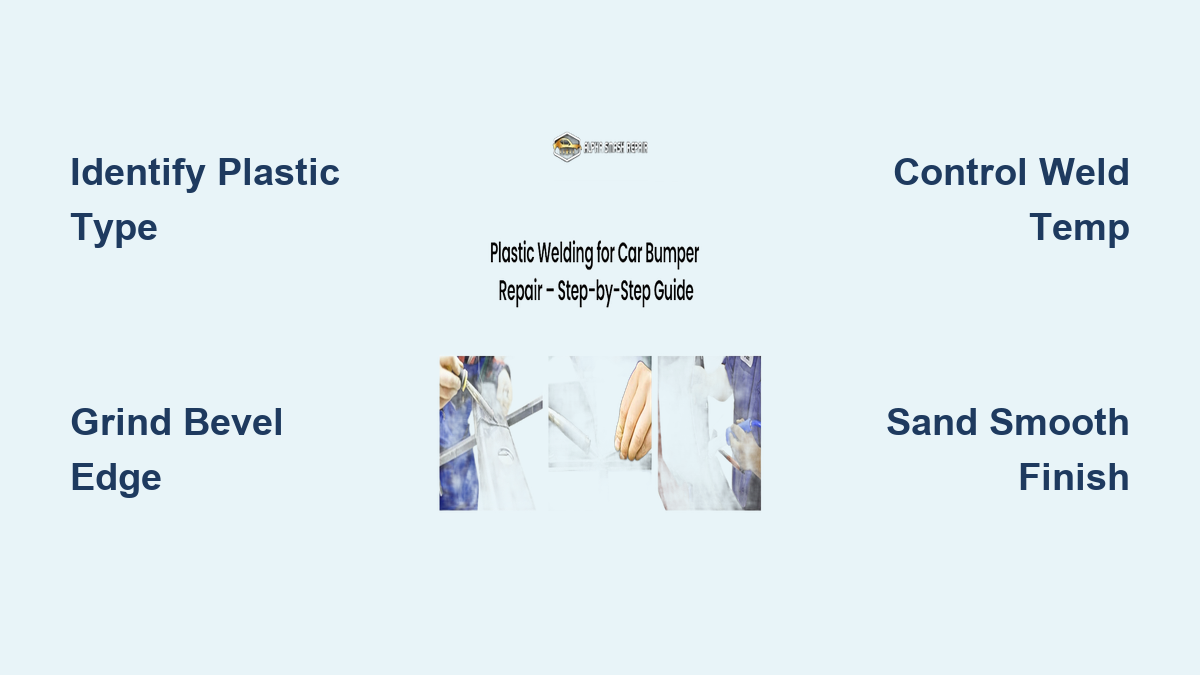
That small crack in your bumper from a shopping cart mishap or parking scrape doesn’t mean you need a costly replacement. Plastic welding creates molecular bonds that restore structural integrity far better than adhesives alone—saving you hundreds while maintaining factory-like strength. Most DIYers can complete this repair in under 3 hours with the right approach,…
-
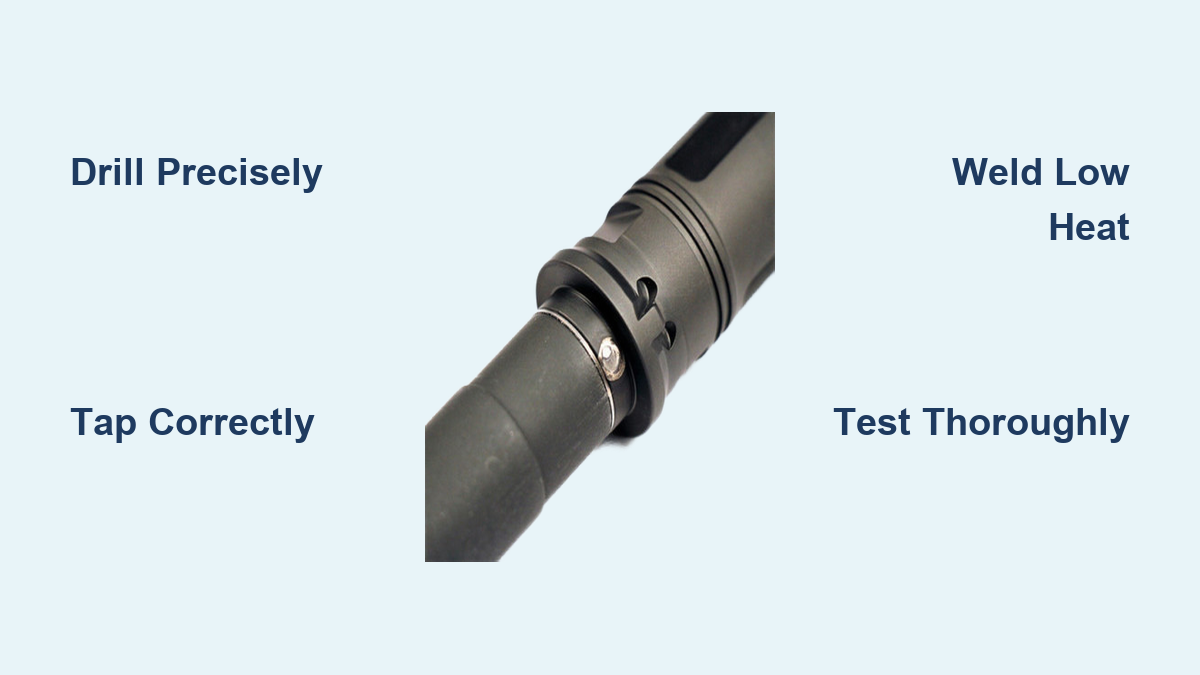
If your AR-15 or other rifle has a barrel shorter than 16 inches, you’ve likely encountered the critical need to know how to pin and weld a muzzle device properly. This specialized gunsmithing technique creates a permanent connection between your muzzle device and barrel, serving dual purposes: ensuring legal compliance with ATF regulations for short-barreled…
-
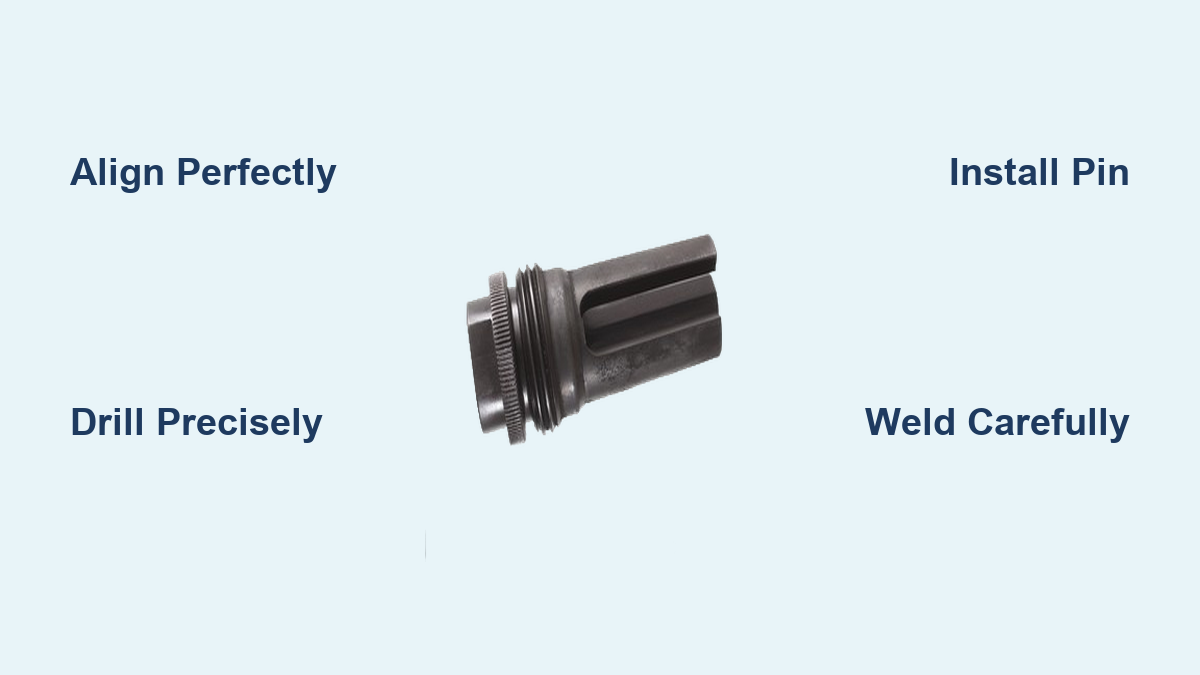
When your AR-15’s flash hider starts to loosen after repeated firing or you’re building a compliant 14.5″ carbine, knowing how to pin and weld a flash hider becomes essential knowledge. This permanent attachment method creates a rock-solid connection between your barrel and muzzle device that won’t shift under heavy use or fail to meet legal…
-
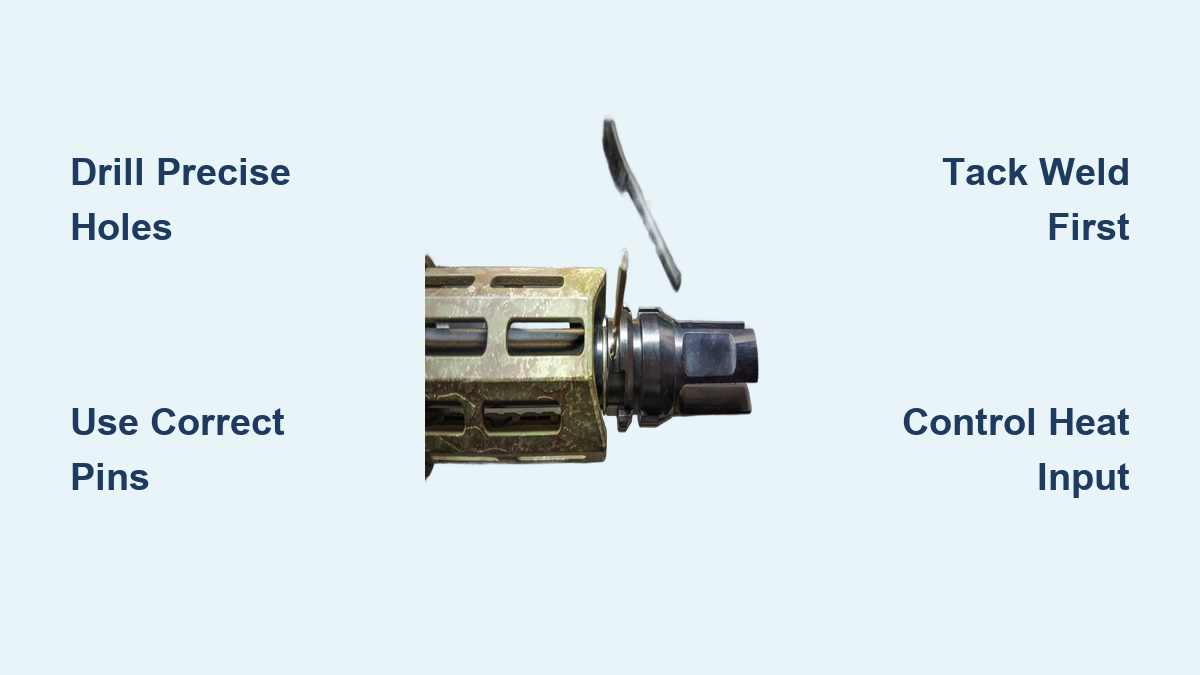
When your metal components need reinforcement that can withstand extreme stress and vibration, knowing how to pin and weld properly becomes critical. This specialized metalworking technique creates connections stronger than the base material itself by combining mechanical fastening with fusion welding. Automotive fabricators, structural steel workers, and heavy machinery repair technicians rely on pin and…
-
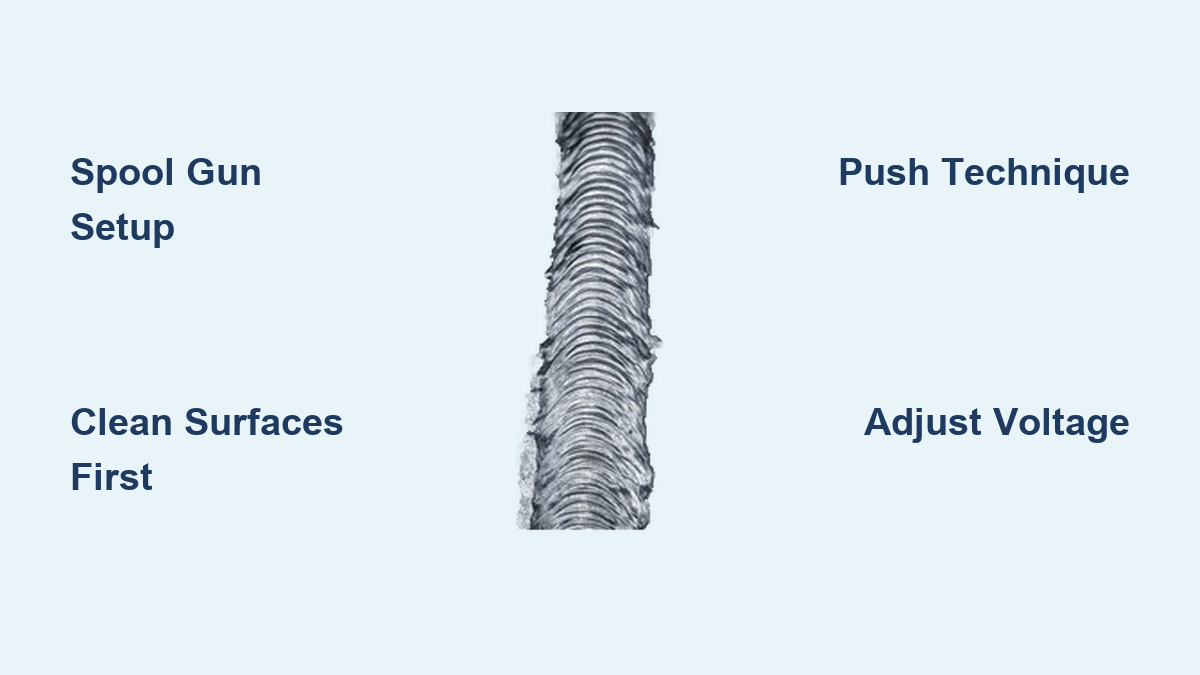
Aluminum MIG welding separates skilled fabricators from beginners. Unlike steel, aluminum’s high thermal conductivity, stubborn oxide layer, and low melting point create unique challenges that can lead to porous, weak welds if handled incorrectly. When you’re trying to join aluminum components for automotive, marine, or structural projects, understanding these material-specific hurdles makes the difference between…
-
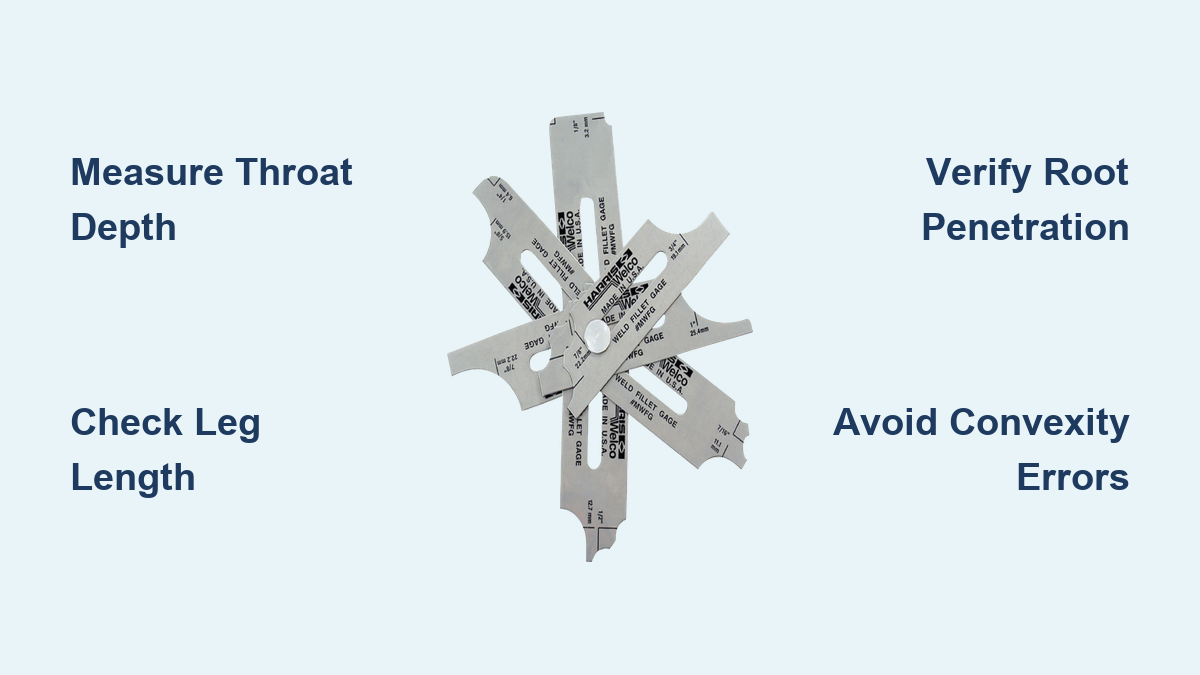
You’ve just completed a critical weld joint on a structural beam, but now the real test begins: verifying if your fillet weld meets specifications. Getting the measurement wrong isn’t just a quality issue—it could lead to catastrophic structural failure under load. With no standardized measurement method, many fabricators rely on guesswork that violates AWS D1.1…
-
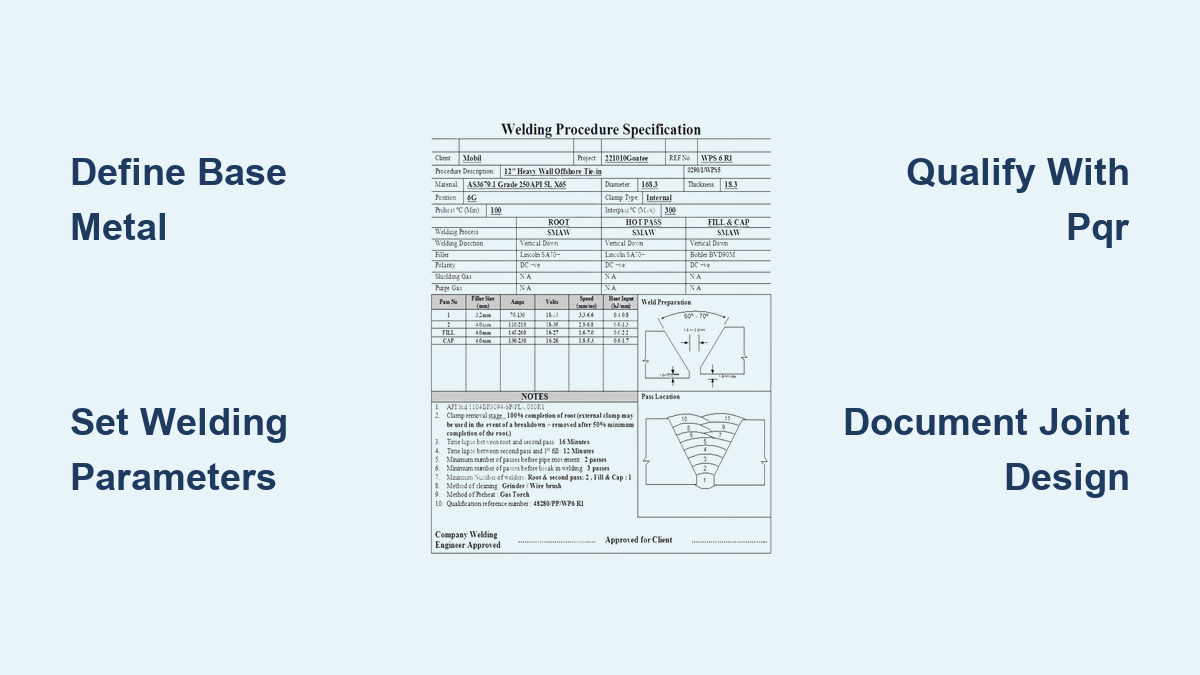
Your welding project just hit a roadblock—you need a Welding Procedure Specification (WPS) approved for structural steel work, but you’re staring at blank templates with no clear roadmap. Without this critical document, your welds won’t pass inspection, halting construction or manufacturing dead in its tracks. A properly created WPS isn’t just paperwork; it’s your legal…
-
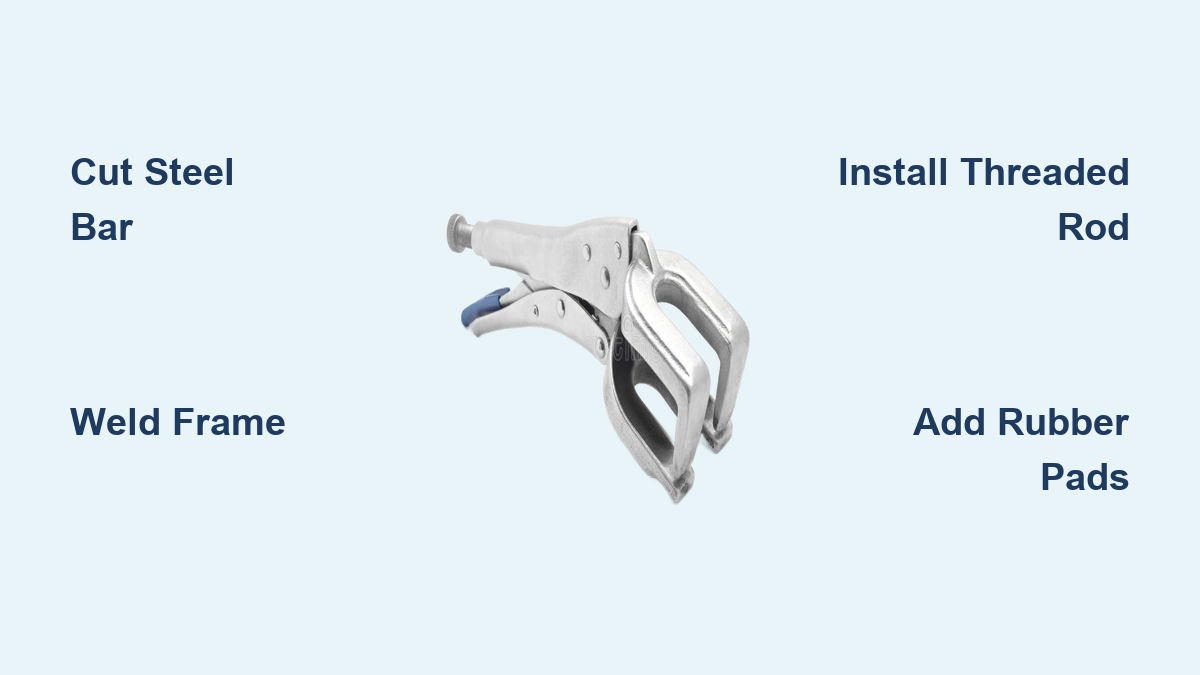
Welding clamps are indispensable tools that secure metal pieces firmly in place during welding operations, preventing movement that could compromise weld quality. While commercial welding clamps are readily available, learning how to make welding clamps yourself offers significant advantages in cost savings, customization, and workshop self-sufficiency. Creating your own welding clamps costs a fraction of…