
-
Those tiny molten metal droplets flying from your weld pool aren’t just annoying—they’re costing you time and money every single day. When spatter coats your workpiece, torch, and surrounding area, you’re forced into the tedious cycle of chipping, grinding, and prepping before moving to the next step. For professional fabricators, understanding exactly how to avoid…
-
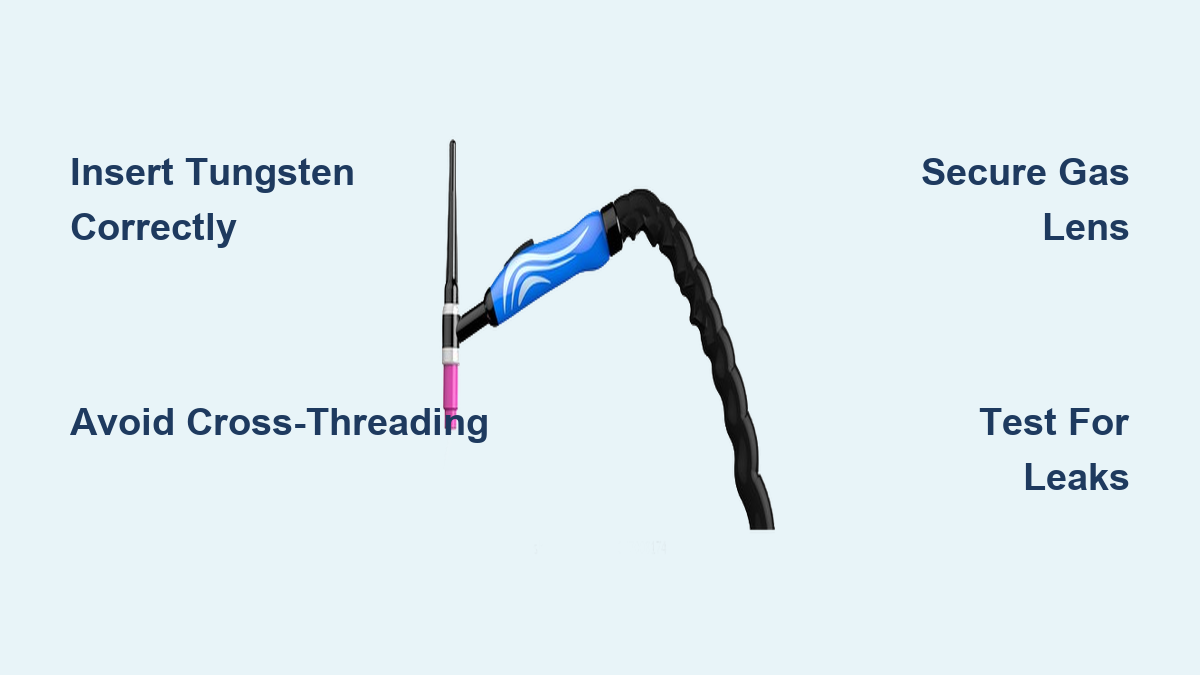
Your new TIG torch kit sits unassembled on the workbench, components scattered like a metal puzzle. One wrong move during assembly could cause gas leaks, tungsten contamination, or inconsistent arcs that ruin your welds. Over 60% of TIG welding defects stem from improper torch setup before the first spark flies. This guide cuts through the…
-
Watching sparks fly as molten metal fuses two steel pieces together creates an almost magical experience for beginners. Arc welding steel remains the backbone of metal fabrication across industries, offering unmatched versatility for projects ranging from repairing farm equipment to building structural frameworks. This process uses electrical current to create an arc exceeding 6,000 degrees…
-
You’ve searched online for “how strong is friction welding” and found conflicting answers—some claim it matches base metal strength, others warn of weaknesses. This confusion isn’t your fault. The reality is friction welding strength can’t be reduced to a single number because it depends entirely on your materials, process parameters, and testing methods. Without specifying…
-
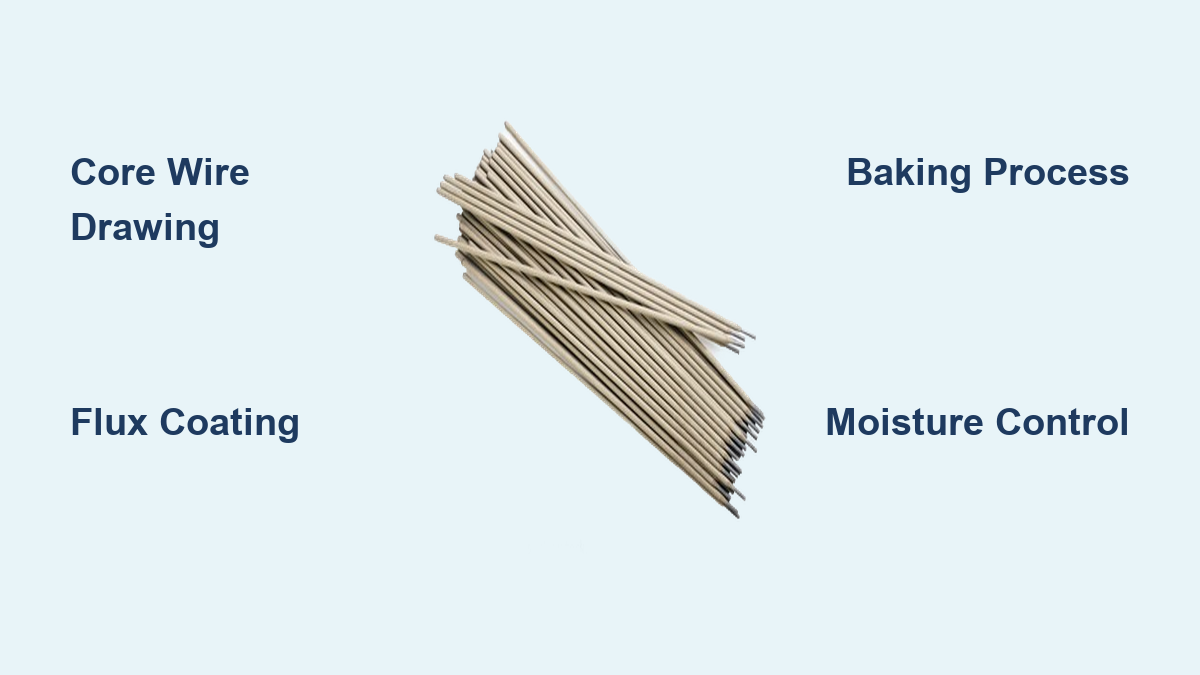
Ever grabbed a welding rod only to wonder what goes into creating that seemingly simple stick? When moisture ruins your electrodes or inconsistent arcs disrupt your workflow, understanding how welding rod is made becomes critical. Most welders know these consumables are essential for shielded metal arc welding (SMAW), but few realize the precision engineering behind…
-
When your metal project requires joining components, understanding the critical differences between brazing and welding becomes essential. Many DIY enthusiasts and even some professionals confuse these two metal-joining processes, leading to failed projects and wasted materials. This confusion matters because selecting the wrong technique can compromise structural integrity, create safety hazards, and dramatically increase project…
-
When molten metal meets oxygen during welding, the result is often disastrous—porous, brittle welds that fail under pressure. This is why understanding how is argon used in welding has become non-negotiable for professionals across industries. As an inert gas that refuses to react with other elements, argon creates the protective bubble necessary for clean, strong…
-
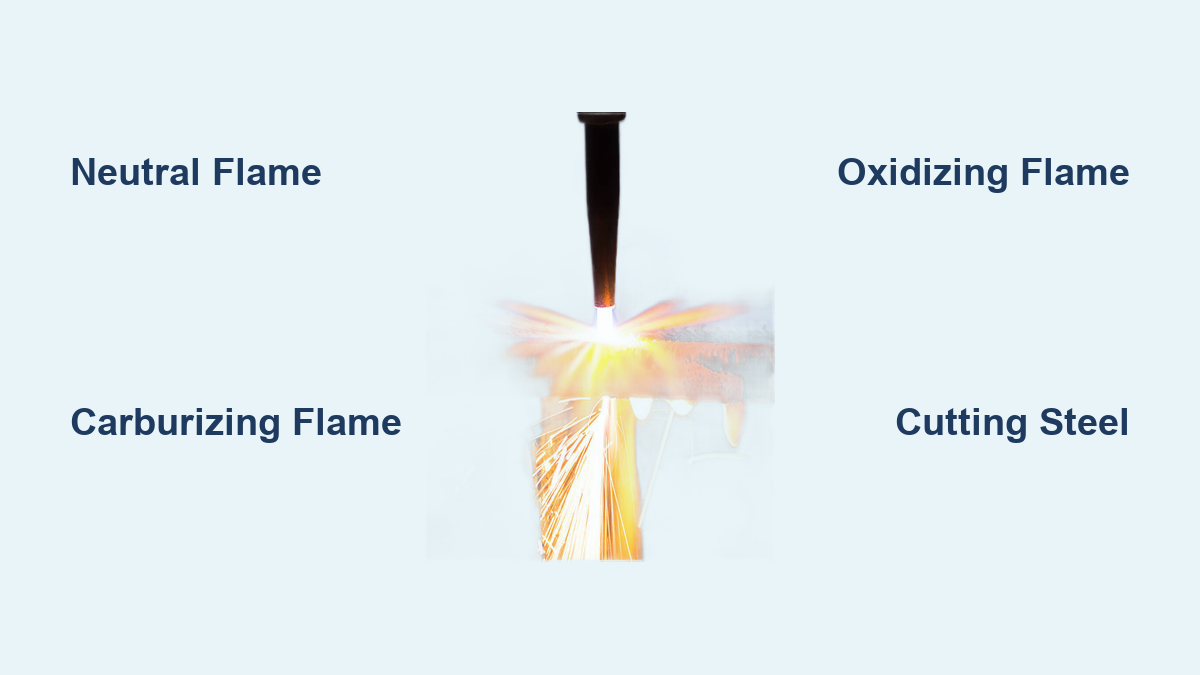
Ever wonder how metalworkers fuse steel with pinpoint precision without electricity? The answer lies in acetylene—the fuel gas that revolutionized metalworking when French engineers Edmond Fouché and Charles Picard developed oxygen-acetylene welding in 1903. How is acetylene used in welding? Through its unmatched ability to generate temperatures up to 6,332°F when combined with pure oxygen,…
-
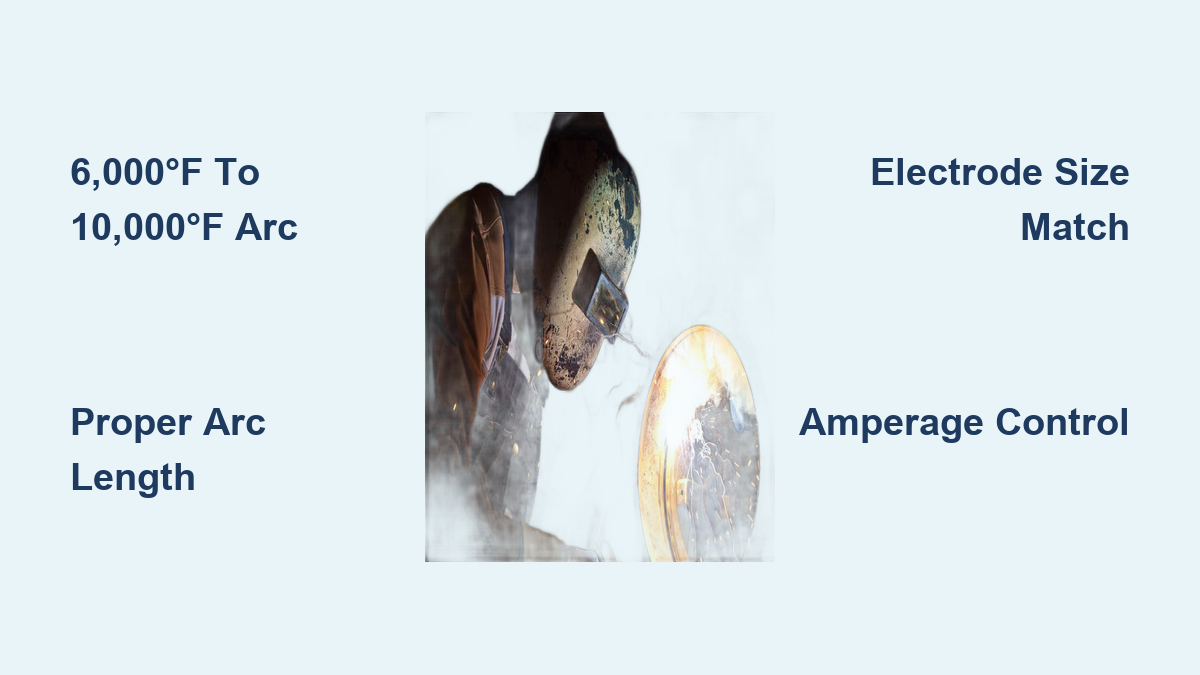
When you strike an arc with a stick welding electrode, you’re creating one of the hottest man-made environments on Earth—temperatures that rival the surface of the sun. The question “how hot is stick welding” isn’t just academic; understanding these extreme temperatures is essential for producing quality welds while staying safe. Stick welding (SMAW) generates an…
-
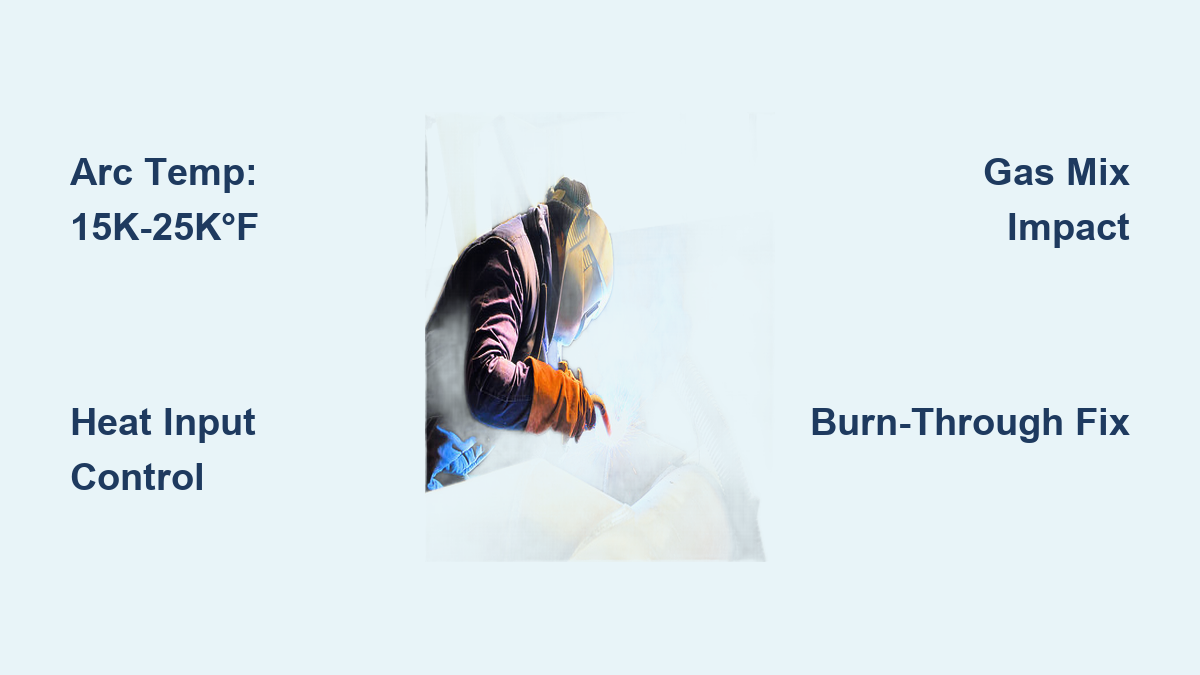
When your MIG welder sparks to life, you’re creating one of the hottest human-made environments on Earth—temperatures that dwarf even the surface of the sun. Understanding exactly how hot is MIG welding isn’t just academic curiosity; it’s the difference between strong, clean welds and frustrating defects that require costly rework. The electric arc in MIG…