
Category: Guide
-
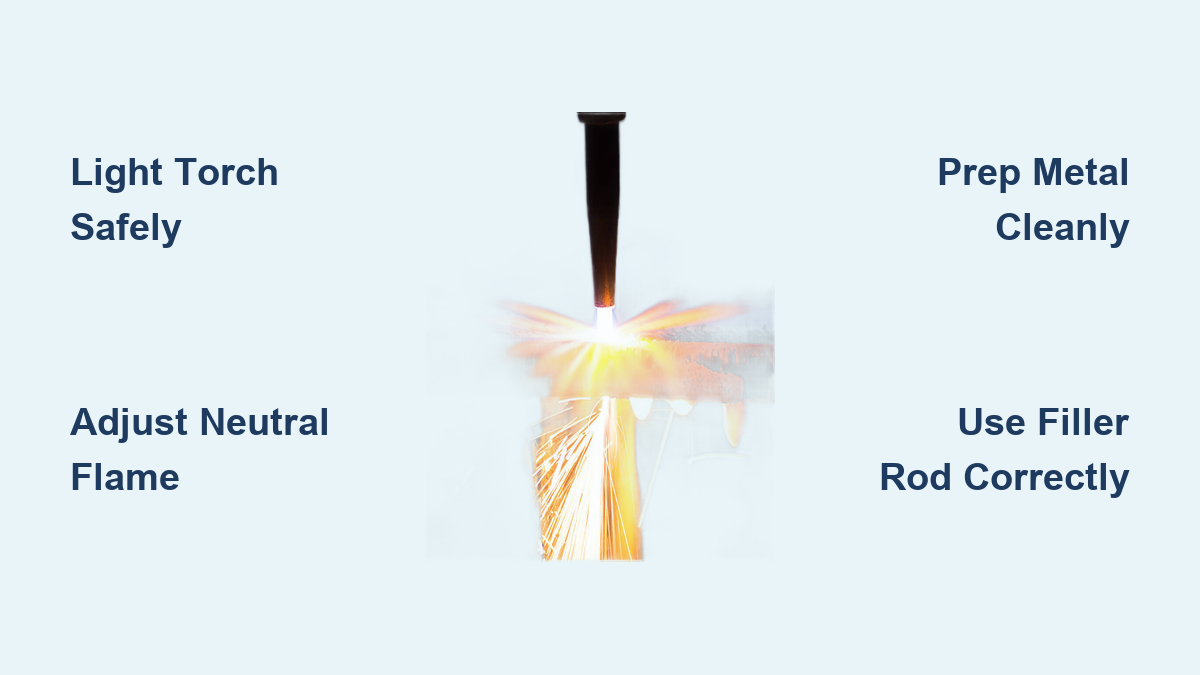
Oxy-acetylene welding remains one of the most accessible metal-joining techniques for beginners, offering unmatched portability and simplicity without electrical requirements. Developed over a century ago, this process creates intense heat by combining oxygen with acetylene gas—reaching temperatures up to 6,300°F—sufficient to melt most common metals. Unlike modern welding methods that require complex power sources, oxy-fuel…
-
TIG welding stands as the precision gold standard among welding processes, delivering clean, strong joints that require minimal cleanup. If you’ve ever wondered how to start TIG welding properly, you’re about to discover why this method rewards patience with professional-quality results on everything from automotive repairs to custom fabrication projects. The process uses a nonconsumable…
-
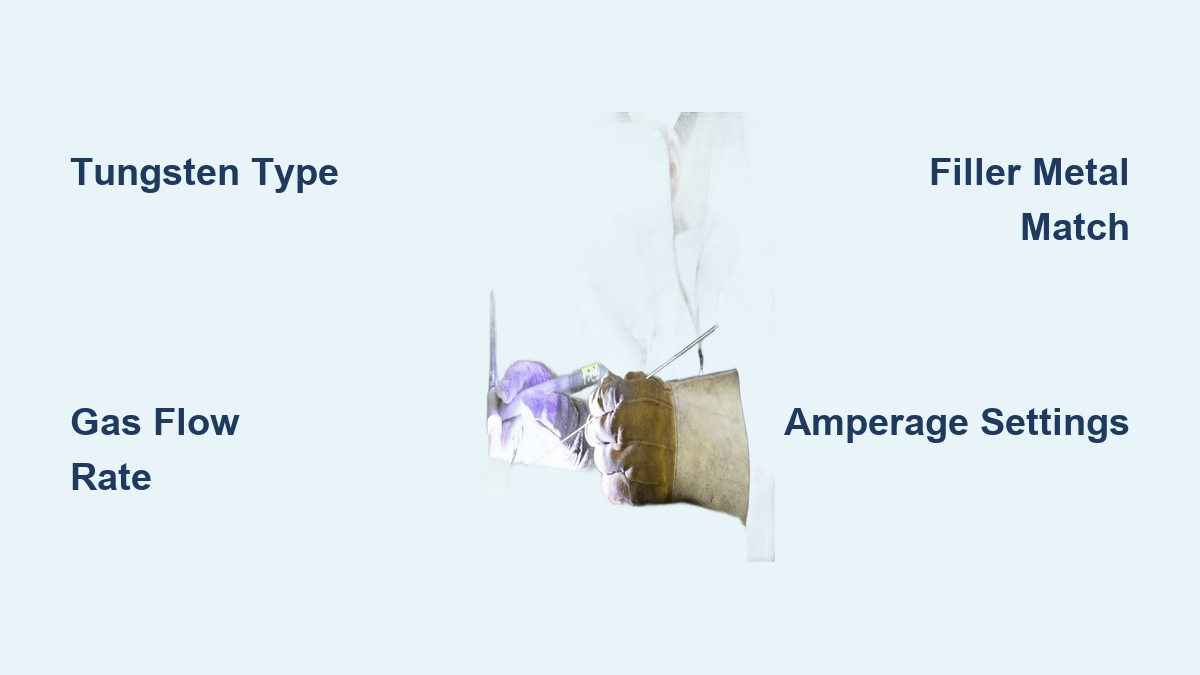
When stainless steel welds turn out discolored, porous, or weak, the problem almost always traces back to improper TIG welder setup. Getting your TIG welder correctly configured for stainless steel is the difference between professional-looking, corrosion-resistant welds and frustrating failures that compromise your project’s integrity. This guide reveals exactly how to set up a TIG…
-
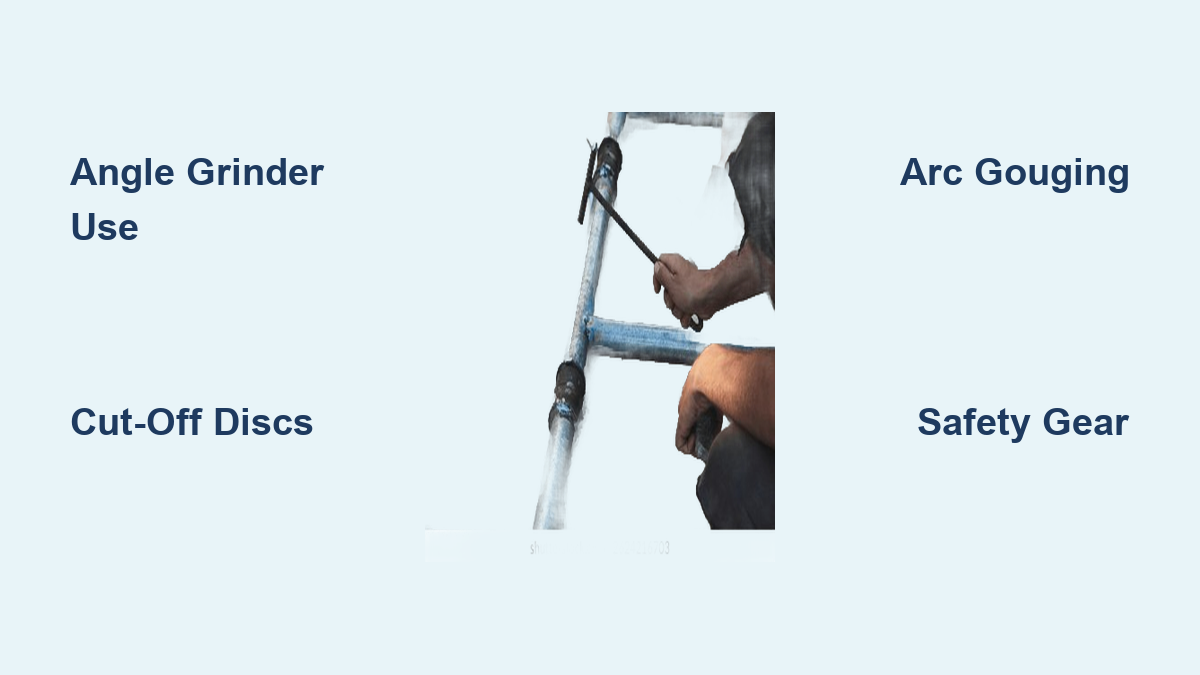
You’ve just discovered a faulty weld on your project, or perhaps you need to separate welded components for repair or modification. How to remove welds effectively without damaging the underlying metal is a critical skill for metalworkers, fabricators, and DIY enthusiasts alike. Choosing the wrong technique can weaken structural integrity, create safety hazards, or leave…
-
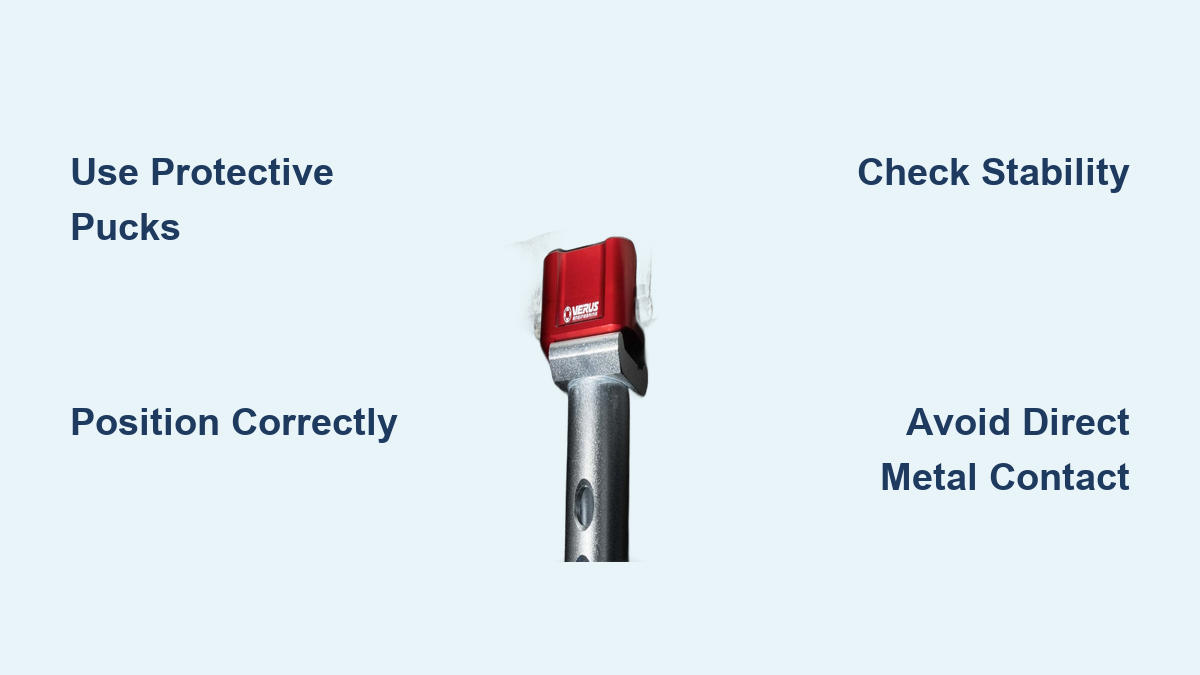
You’ve probably heard conflicting advice about whether it’s safe to place jack stands directly on pinch welds—those reinforced channels running along your vehicle’s undercarriage. This confusion puts DIY mechanics in a dangerous position: using improper support could lead to catastrophic failure while working underneath your car. The truth is, pinch welds are specifically engineered as…
-
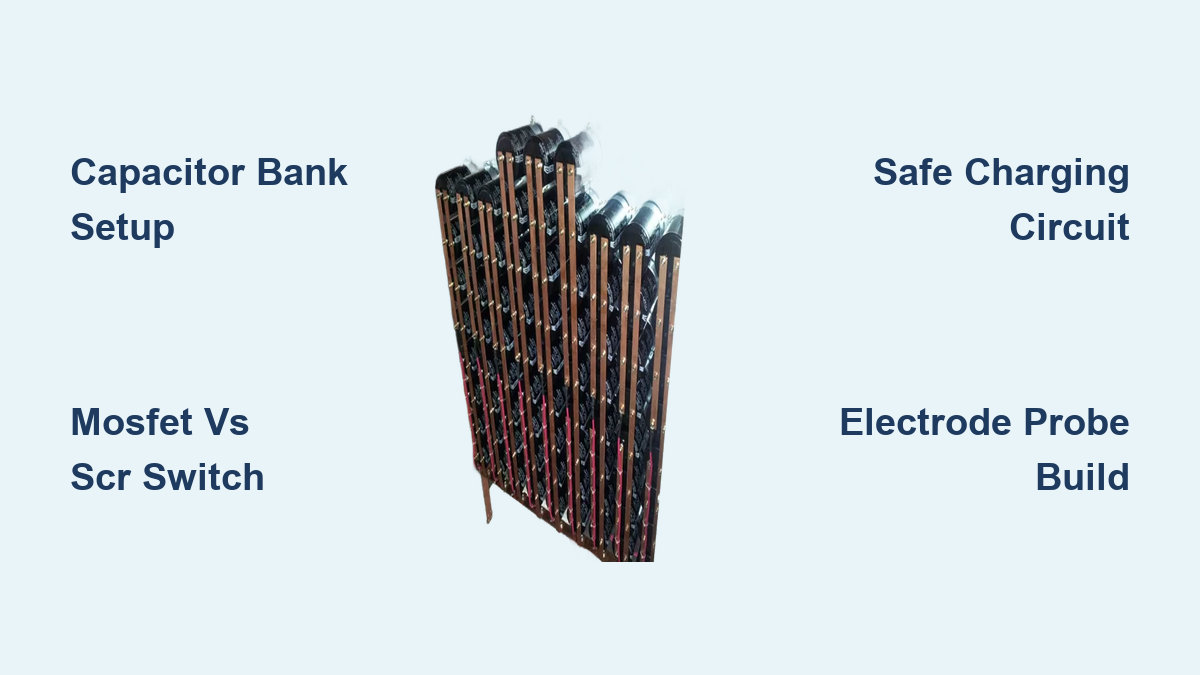
Tired of struggling with unreliable solder joints when building battery packs? Learning how to make spot welder with capacitor solves this problem by delivering precise, high-current pulses that weld nickel strips to lithium cells without damaging sensitive internals. This DIY approach costs a fraction of commercial units while giving you complete control over welding parameters.…
-
That broken engine part won’t wait 24 hours for JB Weld to cure—neither will your leaky pipe or cracked bumper. When you need repairs done yesterday, understanding how to make JB Weld dry faster transforms frustrating downtime into immediate solutions. The legendary epoxy’s standard 24-hour cure time feels like an eternity when you’re holding pieces…
-
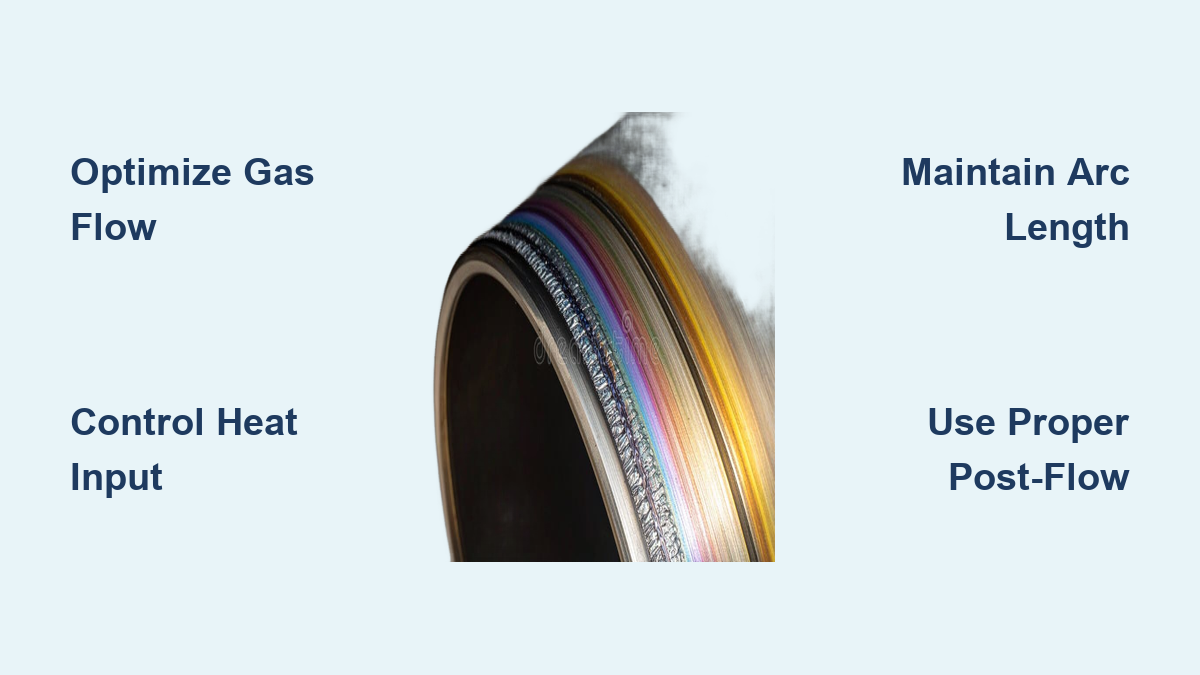
That stunning gold, blue, or purple temper coloring on TIG welds isn’t just visually impressive—it’s a direct indicator of your precise control over heat input, shielding gas coverage, and torch manipulation. When you learn how to get color in TIG welds consistently, you’re not just creating beautiful work; you’re demonstrating mastery of the fundamental principles…
-
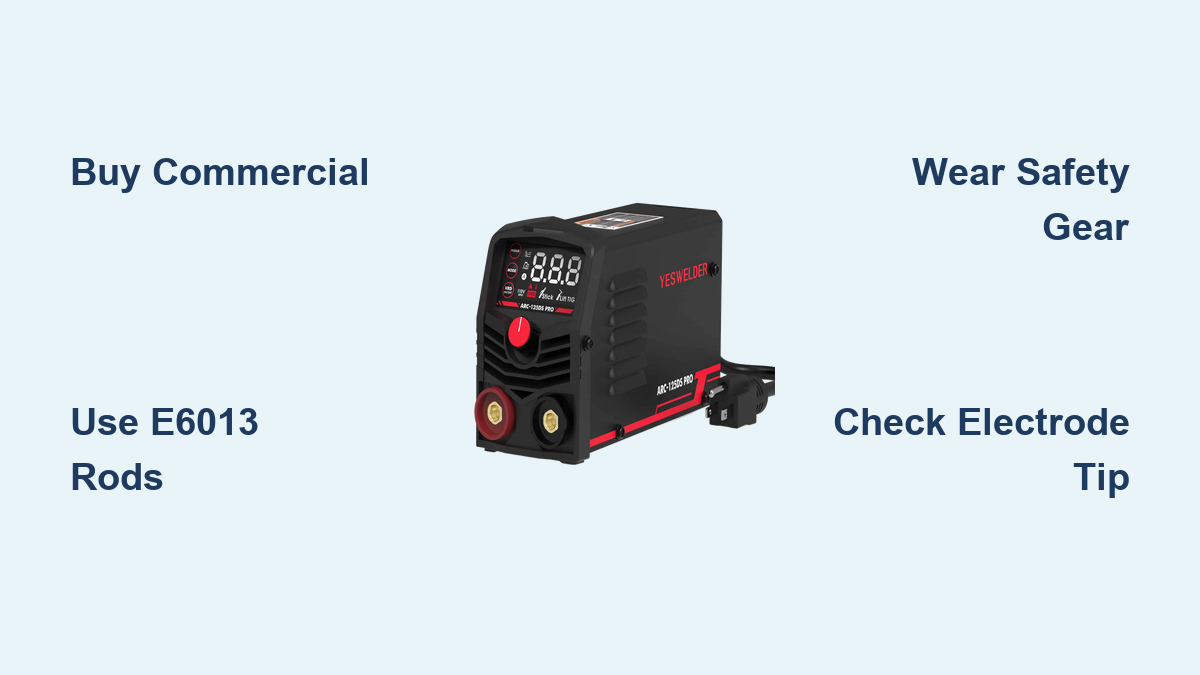
Your search for reliable arc welding capability starts with a critical decision: purchasing a commercial unit or attempting a DIY build. Whether you need occasional repairs for farm equipment or regular fabrication work, the wrong approach can mean wasted money, safety hazards, or frustrating performance issues. Commercial arc welders dominate the market for good reason—they…
-
Weld distortion disrupts fabrication quality across every metalworking shop, creating dimensional inaccuracies that compromise assembly fit-up and structural performance. When heated metal expands during welding and contracts unevenly during cooling, the resulting internal forces push and pull your carefully aligned components out of position. Whether you work with thin automotive panels or heavy structural steel,…