
Category: Guide
-
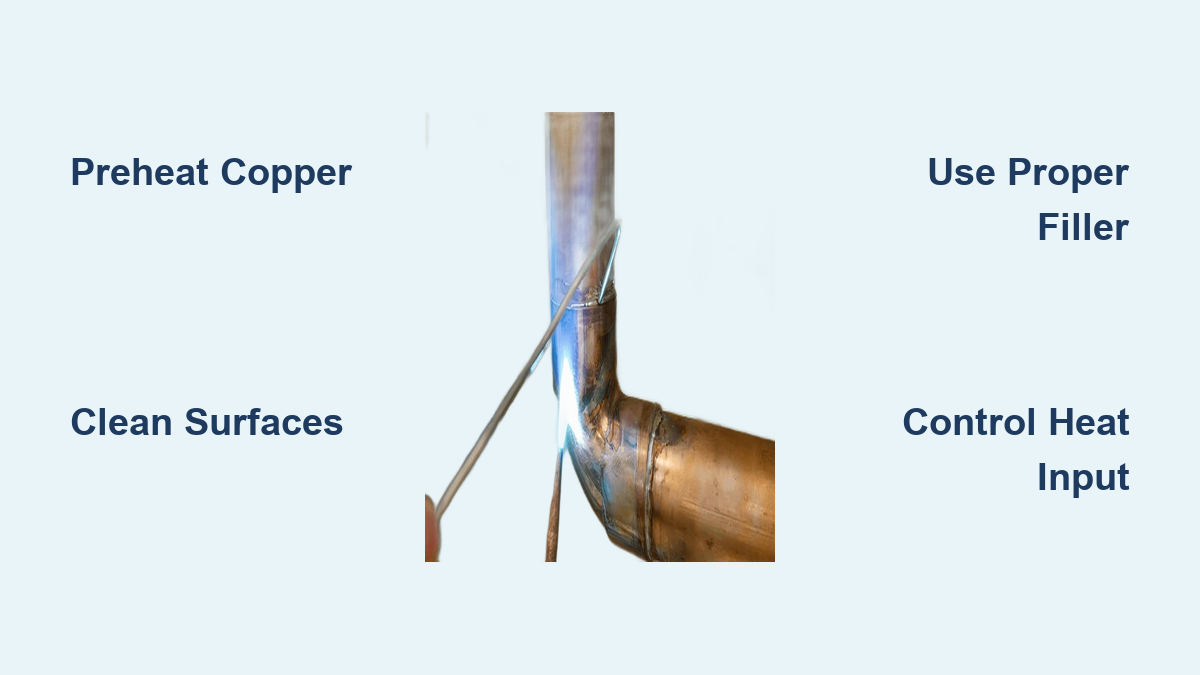
Copper’s exceptional thermal conductivity—eight times higher than steel—makes learning how to weld copper a specialized skill that demands specific techniques. When you attempt to weld copper without proper preparation, heat rapidly dissipates from the weld zone, causing poor fusion, porosity, and cracking. Unlike steel, copper requires preheating up to 650°F for thick sections, specialized filler…
-
Your chromoly roll cage or bicycle frame demands welds that won’t fail under stress—but one wrong move with the torch can create invisible cracks that compromise the entire structure. Chromoly steel (typically 4130 grade) offers exceptional strength-to-weight ratio for racing frames, aircraft components, and high-performance builds, yet its unique composition requires specialized welding approaches. Unlike…
-
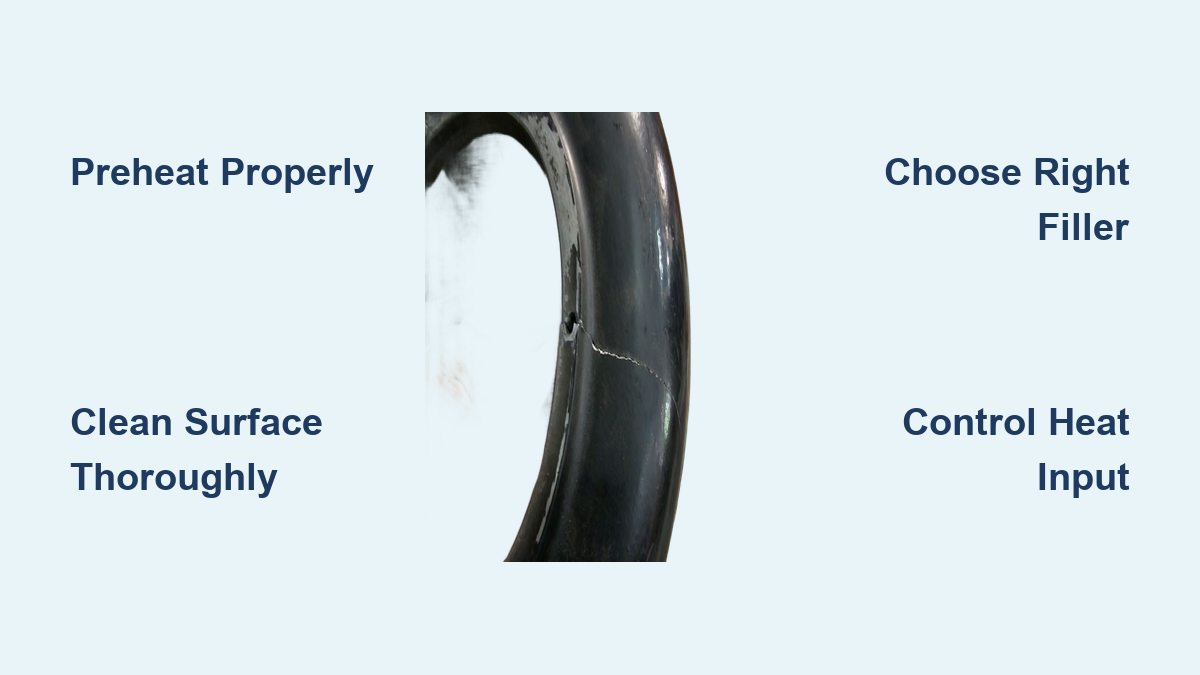
Welding cast aluminum presents unique challenges that distinguish it from working with standard aluminum alloys. The porous nature of cast aluminum, combined with its high silicon content and refractory oxide layer, requires specialized techniques, careful preparation, and the right filler materials to achieve strong, durable welds. Whether you’re repairing automotive engine components, marine parts, or…
-
Welding bronze successfully separates skilled metalworkers from beginners, as this copper-based alloy demands specific techniques to avoid cracking, porosity, and weak joints. Whether you’re repairing a marine fitting, restoring a sculpture, or creating decorative hardware, knowing how to weld bronze properly ensures durable results that maintain the material’s corrosion resistance and attractive appearance. Unlike steel…
-
When your brass project develops a crack or needs assembly, knowing how to weld brass properly separates amateur attempts from professional results. This copper-zinc alloy demands special techniques because zinc vaporizes at 907°C (1665°F), creating toxic fumes and porous, weak welds if mishandled. Unlike steel or aluminum welding, brass requires precise heat control to prevent…
-
Struggling with a damaged battery terminal that won’t hold a secure connection? You’re not alone—thousands of DIY enthusiasts and professionals face this frustrating problem when working with battery packs for electric vehicles, solar storage, or custom power solutions. The challenge of welding battery terminals properly stems from the unique materials involved, particularly aluminum, which conducts…
-
That frustrating moment when your T-joint weld fails under minimal stress despite looking perfect? You’re not alone. When learning how to weld at joint configurations correctly, many welders struggle with T-joints—the perpendicular connections where two metal pieces form a “T” shape. These joints appear everywhere from structural beams to table legs, yet improper technique creates…
-
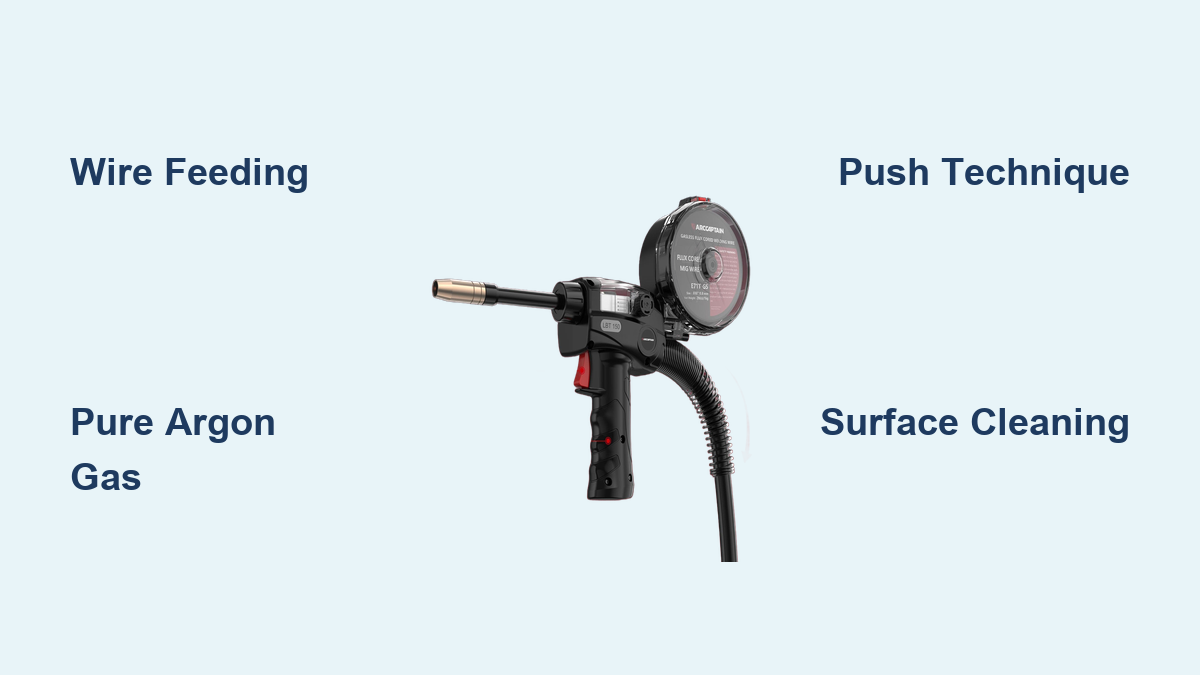
Aluminum’s soft, malleable nature has frustrated countless welders who’ve battled inconsistent wire feeding, bird-nesting, and poor weld quality. The metal’s tendency to stretch and jam standard MIG equipment makes how to weld aluminum with a spool gun a critical skill for fabricators, automotive restorers, and marine technicians. While TIG welding remains popular for aluminum, spool…
-
Welding aluminum with a MIG welder presents unique challenges that trip up even experienced steel welders. The metal’s protective oxide layer, high thermal conductivity, and soft filler wire create obstacles that standard steel welding approaches simply cannot overcome. Yet modern MIG technology has made aluminum welding increasingly accessible, allowing dedicated welders to produce sound joints…
-
Acrylic welding stands as one of the most reliable methods for joining thermoplastic materials in fabrication projects ranging from aquarium construction to retail displays. Unlike simple adhesive bonding that merely sticks surfaces together, solvent welding chemically fuses acrylic pieces into a single, monolithic structure with strength approaching that of the original material. This comprehensive guide…