
Ever wondered how broken plastic bumpers get repaired or how medical devices maintain air-tight seals? The secret lies in plastic welding—a sophisticated process that creates molecular bonds stronger than adhesives. Understanding how does a plastic welder work reveals why this technique outperforms simple gluing for permanent repairs and manufacturing. Unlike metal welding that melts base materials completely, plastic welding strategically softens thermoplastic surfaces to fuse them together through controlled heat, pressure, or chemical action. Whether you’re repairing automotive parts, fabricating chemical tanks, or assembling medical devices, knowing the mechanics behind plastic welding ensures professional results that last. This guide explains exactly what happens at the molecular level when you activate your plastic welder.
Why Plastic Welding Creates Stronger Bonds Than Adhesives
Plastic welding fundamentally differs from adhesive bonding because it creates molecular entanglement between materials rather than just surface adhesion. When you activate your plastic welder, it softens the polymer chains at the joint interface, allowing them to intermingle and form continuous molecular structures across the bond line. This process creates joints with strength approaching 100% of the base material—far exceeding the 10-30% strength typical of adhesive bonds. The key advantage? Plastic welding maintains material integrity without introducing foreign substances that could compromise chemical resistance or structural performance. For applications requiring leak-proof seals in medical devices or chemical tanks, this molecular fusion provides reliability that adhesives simply cannot match.
The 3 Critical Stages in Every Plastic Welding Process
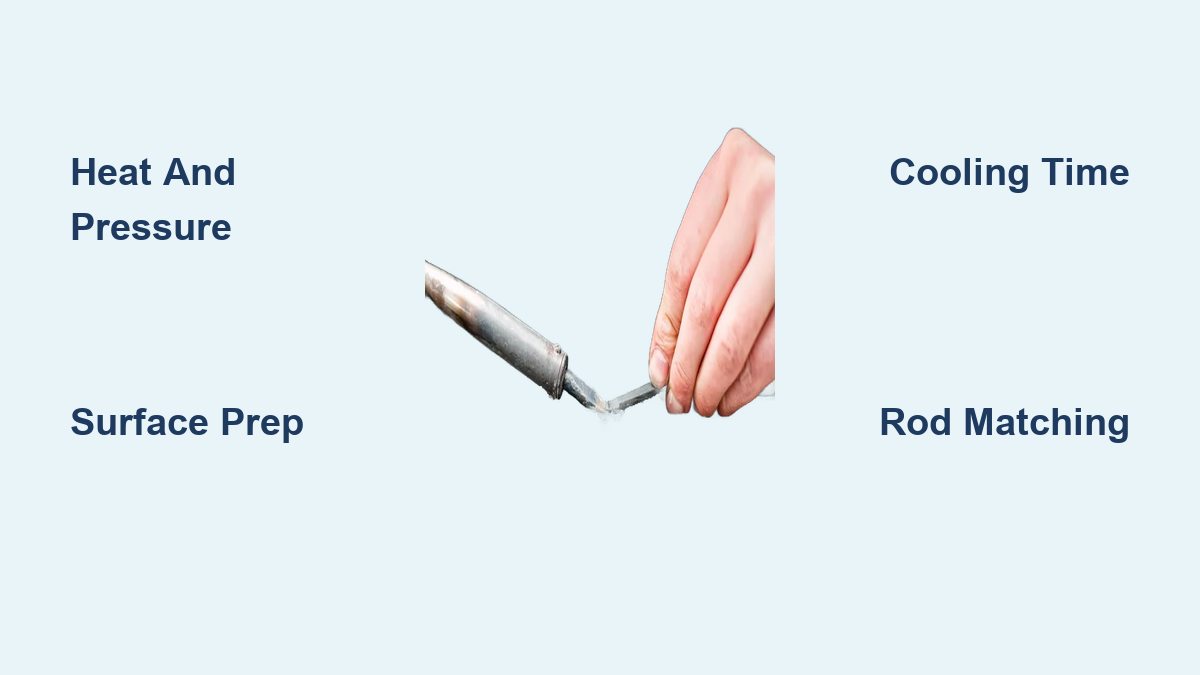
Regardless of which plastic welding technique you use, every successful weld follows the same fundamental three-stage sequence that determines final bond strength. First comes surface preparation where you clean and often roughen the joint area to remove contaminants and increase surface area for bonding. Next occurs the simultaneous application of heat and pressure that softens the plastic interface while forcing molecular contact. Finally, controlled cooling allows the fused materials to re-solidify into a continuous structure. Skipping or rushing any of these stages creates weak points in your weld—understanding how does a plastic welder work means respecting this sequence for optimal results.
How Surface Preparation Determines Your Weld’s Final Strength
Proper surface preparation makes or breaks your plastic weld’s durability. You must thoroughly clean both surfaces with isopropyl alcohol to remove oils, dust, and release agents that prevent molecular bonding. For structural applications, lightly abrading the joint area with 80-120 grit sandpaper increases surface area by up to 300%, dramatically improving bond strength. Never skip this step—even microscopic contaminants can reduce weld strength by 50% or more. When working with polypropylene or polyethylene, specialized surface treatments may be necessary since these materials naturally resist adhesion due to their non-polar molecular structure.
Why Heat and Pressure Must Be Applied Simultaneously for Maximum Bond Strength
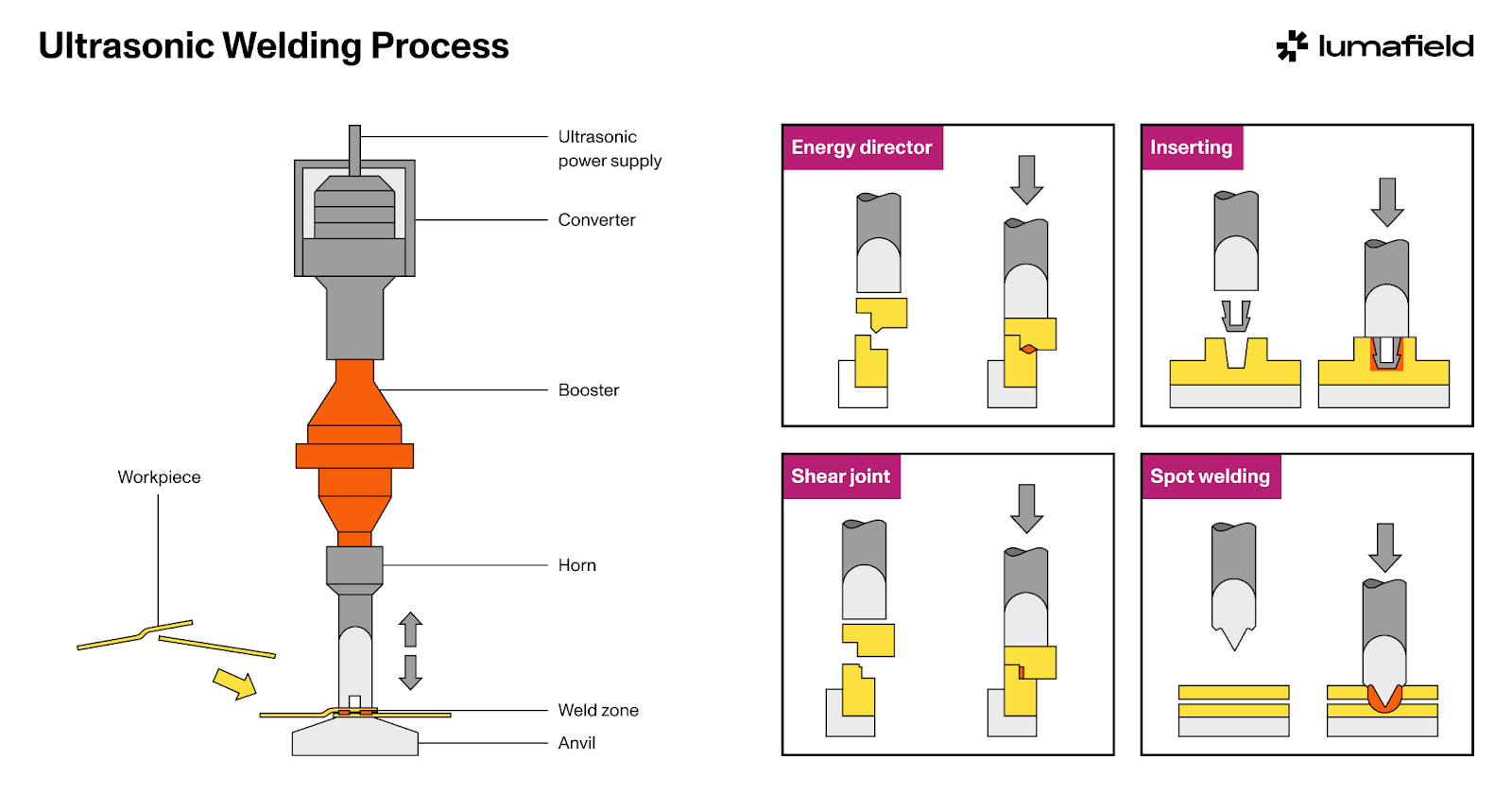
The magic of plastic welding happens when heat and pressure work together at the molecular level. Heat alone merely softens plastic; it’s the combination with pressure that forces polymer chains from both materials to intermingle and form entangled networks. Different welding methods achieve this differently: hot air welding uses external heat with manual pressure, while ultrasonic welding generates internal heat through vibration under clamping force. The critical factor? Maintaining precise temperature control—too hot causes degradation and weakens the material, while too cool prevents proper chain entanglement. For most thermoplastics, the ideal welding temperature sits 20-40°C above the material’s melting point.
Cooling Time Guidelines That Prevent Weak Joints in Plastic Welds
Rushing the cooling phase creates internal stresses that weaken your weld over time. After applying heat and pressure, you must maintain clamping force while the joint cools below the plastic’s glass transition temperature. Thin materials (under 3mm) typically require 15-30 seconds of cooling under pressure, while thick sections (6mm+) need 2-5 minutes. Critical mistake alert: removing pressure too soon allows the still-softened material to separate under residual stresses, creating micro-cracks that compromise long-term durability. For best results, allow welds to reach room temperature before subjecting them to load or stress testing.
How Hot Gas Welding Fuses Plastic Without Melting the Base Material
Hot gas welding remains the most versatile plastic welding technique for both repairs and fabrication. Your hot air welder generates a controlled stream of heated air (typically 200°C-600°C) that simultaneously softens both the base materials and a matching plastic welding rod. As you feed the rod into the heated zone, it melts and fuses with the prepared surfaces, creating a continuous bead of homogeneous material. The key to success? Matching your rod material precisely to the base plastic—PVC rods for PVC parts, polyethylene for polyethylene, and so on. The only exception is welding PVC to acrylic under specific controlled conditions.
Selecting the Perfect Welding Rod Temperature for Your Plastic Type
Different plastics require specific temperature ranges to achieve optimal weld strength without degradation:
- PVC: 200°C-250°C
- Polyethylene: 250°C-300°C
- Polypropylene: 300°C-350°C
- ABS: 250°C-300°C
- Nylon: 280°C-350°C
Using too high a temperature causes polymer chain scission (breaking), weakening the material. Too low a temperature prevents proper chain entanglement, creating brittle welds. Always start at the lower end of the range and increase only if needed—most beginners make the mistake of using excessive heat.
Avoiding the #1 Mistake That Causes Weak Hot Gas Welds
Material mismatch accounts for over 70% of failed plastic welds. Never substitute welding rods—using a polyethylene rod on polypropylene creates a weak boundary layer that fails under minimal stress. High-quality “voidless” rods eliminate air pockets that become failure points, while colored rods match your base material for invisible repairs. When working with thin films (under 1mm), omit the rod entirely and simply heat both sheets before pressing them together—this prevents distortion from excess material.
Speed Tip Welding: When Precision Matters More Than Speed
Speed tip welding operates like a specialized soldering iron designed specifically for plastics. As you press the heated tip against the joint, it simultaneously melts both the base material and a feeding plastic rod, creating a precise weld bead with exceptional control. This method excels for detailed repairs on complex geometries where hot air welding might damage surrounding areas. Pro tip: For polypropylene repairs, actively mix the molten rod material with the softened base plastic using a circular motion—this ensures molecular entanglement for maximum strength.
Extrusion Welding: The Secret to Repairing Thick Plastic Components in One Pass
Extrusion welding solves the biggest challenge with thick plastic materials (over 6mm)—it deposits molten plastic directly into the joint while pre-heating the base material. Your handheld extruder draws solid welding rod through a heated barrel, plasticizing it before forcing it out through a shaped nozzle against the pre-softened joint. This technique creates stronger welds in thick materials than multiple passes with hot air welding because it maintains consistent heat throughout the weld zone. Ideal for chemical tank repairs and large industrial components, extrusion welding delivers professional results that withstand demanding applications.
How to Set Up Your Extruder for 6mm+ Plastic Materials Without Burning
Thick-section welding requires careful parameter adjustment to avoid burning:
- Pre-heat the joint area with hot air to 80% of welding temperature
- Set extruder barrel temperature 10-20°C higher than hot air temperature
- Maintain consistent travel speed—too slow causes burning, too fast creates weak bonds
- Apply moderate pressure to ensure good material contact without squeezing out molten plastic
Laser Plastic Welding: Joining Clear Polymers Without Absorbing Additives

Advanced laser welding uses precisely controlled wavelengths (around 2,000 nm) that thermoplastics absorb directly, eliminating the need for colorants or absorbing additives. One part transmits the laser beam while the other absorbs it, generating heat exactly at the interface. This technique revolutionizes medical device manufacturing where biocompatibility requirements prohibit additives. Critical insight: Transparent laser welding achieves hermetic seals in catheters and microfluidic devices that traditional methods cannot match, making it indispensable for critical healthcare applications.
How to Test Your Plastic Weld Quality Without Destroying the Finished Product
Professional welders verify quality through non-destructive testing that preserves your finished product. The three most accessible methods for DIYers and small shops:
- Visual inspection: Check for discoloration, porosity, or inconsistencies in the weld bead
- High voltage leak testing: Apply conductive solution then scan with high-voltage probe—arcs reveal leaks
- Ultrasonic testing: Sound waves detect internal flaws through travel time variations
Pro tip: Perform visual inspection immediately after welding while the joint is still warm—many defects become invisible once fully cooled.
Choosing Your Plastic Welding Method Based on Material Thickness and Strength Needs
Selecting the right technique depends on your specific project requirements:
- Thin films (under 1mm): Hot gas welding without filler rod
- General repairs (1-6mm): Hot gas welding with matching rod
- Thick sections (6mm+): Extrusion welding
- Medical devices: Laser or RF welding for hermetic seals
- High-volume production: Ultrasonic welding for speed
Understanding how does a plastic welder work means matching your technique to the material properties and performance requirements. Whether you’re fixing a cracked bumper or fabricating industrial components, choosing the right method ensures welds that perform as well as the original material. By mastering these principles, you’ll create plastic joints with strength, durability, and reliability that surpass expectations—proving why plastic welding remains indispensable across industries from automotive to medical device manufacturing.
Leave a Reply