
Ever struggled with inconsistent welds because your workpiece shifted during operation? That frustrating experience highlights why understanding how does a welding table work matters more than you might think. Far from being just a flat metal surface, a welding table is an engineered system that combines electrical conductivity, thermal management, and precision fixturing into one integrated workspace. This specialized platform completes your welding circuit, absorbs dangerous heat, and provides repeatable positioning—all critical factors that determine your final weld quality.
When you clamp your ground lead to a proper welding table, you’re not just creating a convenient connection point—you’re establishing the foundation for consistent electrical flow throughout your welding operation. The table’s metal construction allows electricity to travel efficiently from your machine, through the table, and into your workpiece, enabling a stable arc that’s essential for quality welds. Understanding these fundamental principles helps you select the right table for your needs and maximize both productivity and weld integrity in your daily fabrication work.
The Electrical and Thermal Mechanics That Make Welding Tables Functional
Completing the Welding Circuit Through the Table
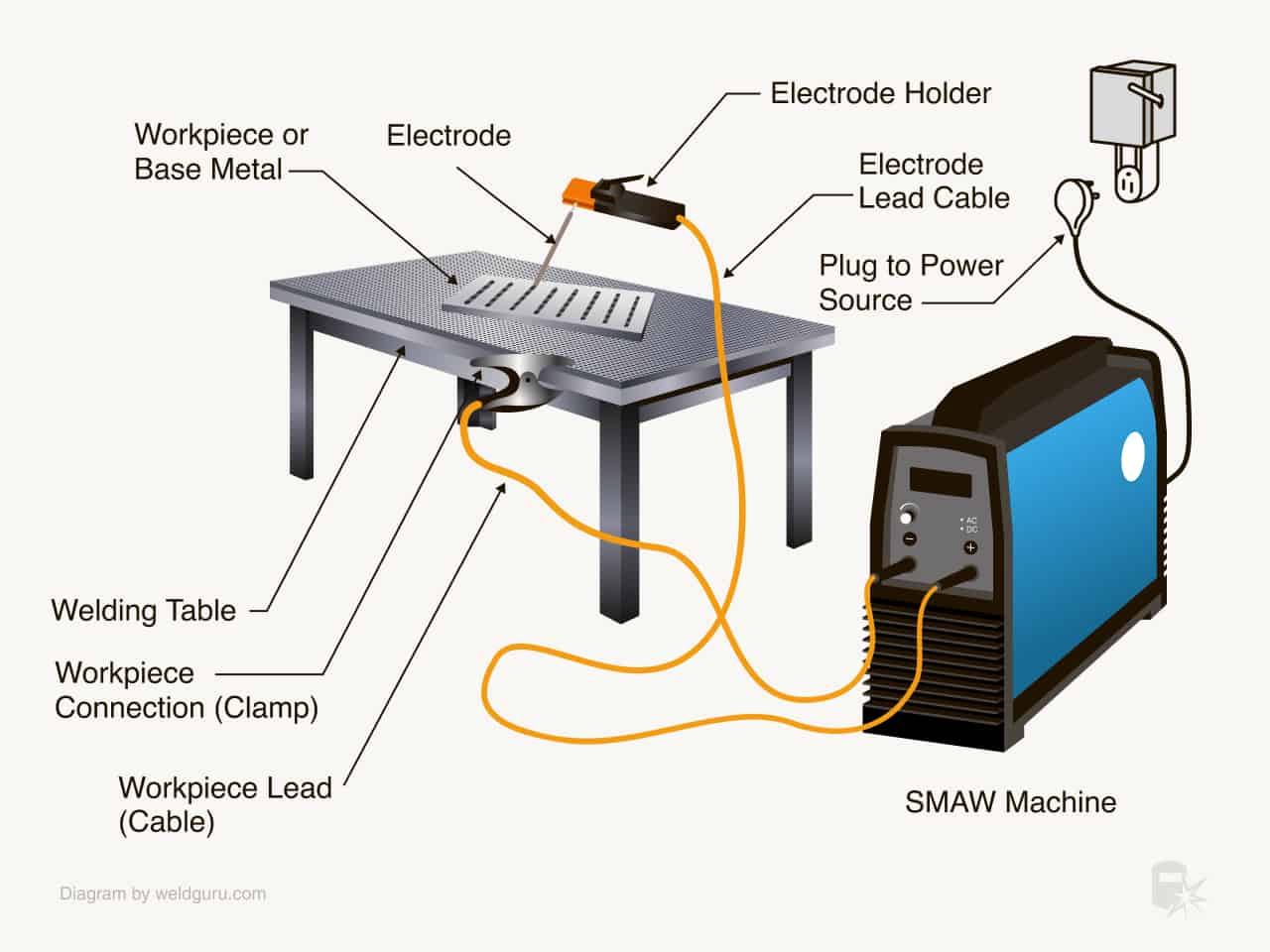
Your welding table serves as an active participant in the electrical circuit rather than a passive surface. When you attach your welding machine’s ground clamp to the table, electricity flows through the metal surface and into whatever workpiece you’ve positioned on top. This electrical connectivity is absolutely essential for creating a consistent arc during shielded metal arc welding, gas metal arc welding, and other common processes. Without this conductive pathway, the welding circuit remains incomplete and effective welding becomes impossible.
The precision-machined surface of quality tables ensures consistent electrical contact across the entire work area. As you position your workpiece, electricity flows seamlessly from the table into the metal, creating the stable current path needed for optimal arc performance. This is why maintaining clean contact points between your workpiece and the table surface is critical—any rust, paint, or debris creates resistance that degrades weld quality and consistency.
Heat Dissipation and Thermal Management
Beyond electricity, your welding table functions as a critical heat sink that absorbs and dissipates the substantial thermal energy generated during welding. The mass of the table surface absorbs this heat, helping prevent warping in the workpiece while also protecting the table itself from damage. This thermal management works hand-in-hand with the table’s structural rigidity to maintain a flat, reliable reference surface project after project.
When you’re working on thick materials or performing long weld passes, the table’s ability to absorb and distribute heat becomes particularly valuable. Without this thermal capacity, localized heating would cause significant distortion in both your workpiece and the table itself. Higher-quality tables with proper structural design can handle this thermal load without compromising flatness, ensuring your precision work remains accurate even after multiple welding operations.
Critical Components That Transform Metal Into a Precision Work Surface
The Precision-Machined Work Surface
The work surface represents the most critical component of any welding table, serving multiple functions simultaneously. This surface must remain flat under intense welding heat, provide a level reference plane for positioning workpieces, and maintain electrical conductivity throughout its service life. Quality tables feature precision-machined surfaces that achieve and maintain this flatness through careful engineering rather than simply using thick, heavy material.
The work surface incorporates standardized hole patterns that define the table’s fixturing capabilities. These precisely machined openings—typically following either the 16mm or 28mm tooling systems—allow clamps and accessories to be positioned anywhere across the surface. This versatility means you can secure workpieces in virtually any orientation without building custom supports for each new project.
Engineered Structural Framework

Beneath the work surface, the structural framework determines the table’s load-bearing capacity, stability, and long-term flatness retention. Engineered 3D tables use interlocking rib structures that provide exceptional strength despite relatively thin surface materials—often just 3/16 inch or 1/4 inch thick. This approach proves far more effective than simple flat plates mounted on legs, which would require substantially greater material thickness to achieve similar rigidity.
The structural design also categorizes tables as 2D or 3D configurations. Traditional 2D tables offer a flat, planar surface without built-in three-dimensional features, while 3D tables incorporate sidewalls and mounting points that accept accessories bolted directly to the sides. The newer generation 3D tables can achieve strength ratings up to 30 times greater than basic 2D tops due to their engineered support structures.
Material Selection: How Steel, Cast Iron, and Stainless Steel Affect Performance
Carbon Steel’s Conductivity vs. Rust Vulnerability
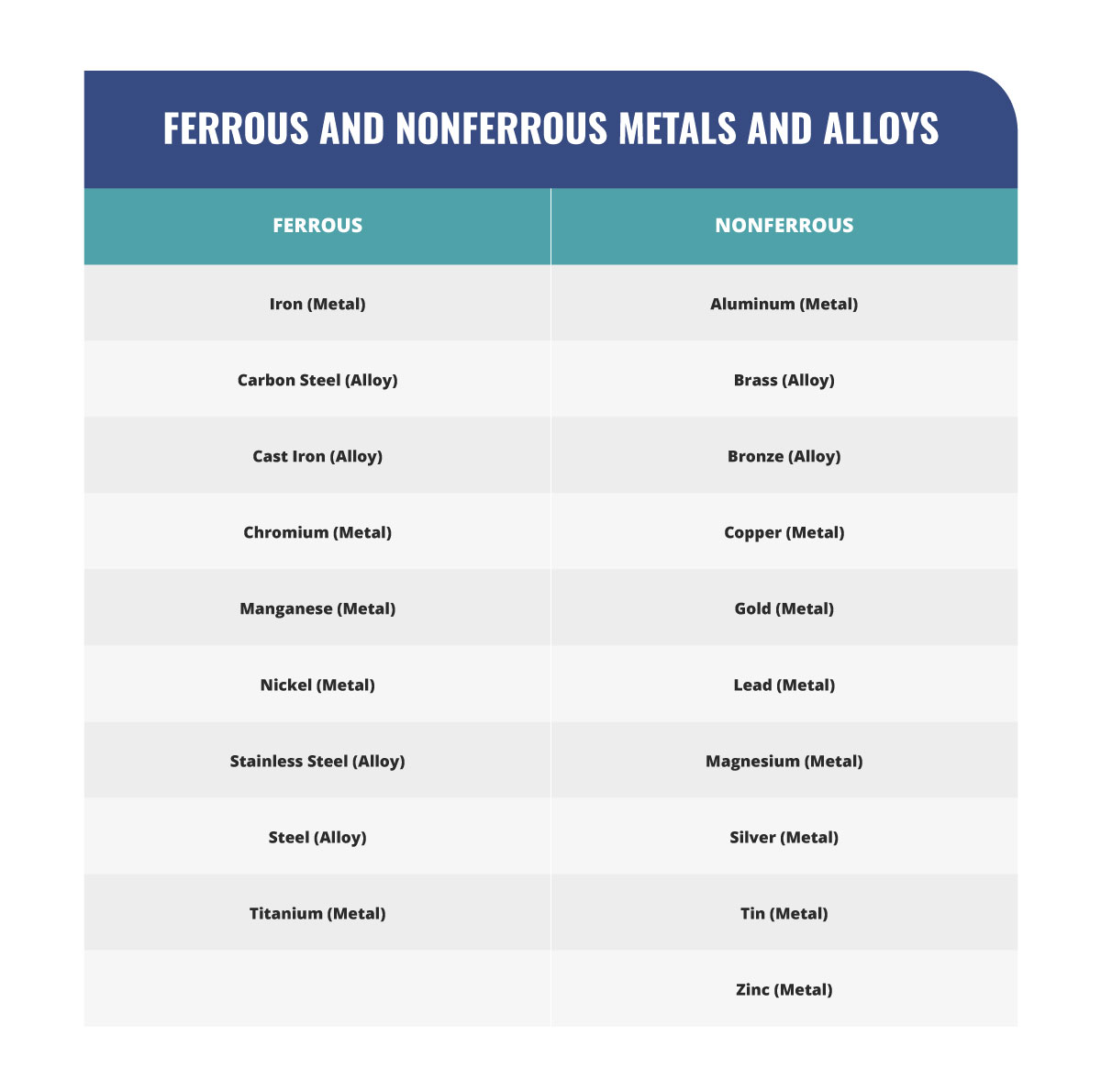
Carbon steel dominates the welding table market because it offers the optimal balance of properties for most fabrication applications. These tables weigh less than comparable cast iron options, making them easier to move and reconfigure within the shop. The material’s electrical conductivity ensures reliable circuit completion for welding operations, while its widespread availability keeps costs reasonable compared to specialty alternatives.
The main limitation of carbon steel involves its susceptibility to rust and corrosion without proper maintenance. Shops must regularly apply protective coatings such as anti-spatter fluids or oils to preserve the table’s appearance and functionality. Additionally, welding stainless steel directly on a carbon steel table can cause carbon contamination that compromises the stainless steel’s corrosion resistance.
Cast Iron’s Stability for Precision Work
Cast iron tables deliver superior flatness and stability after machining, making them ideal for precision fabrication work where even small surface deviations could affect part quality. The material’s high density and mass minimize warpage under heat, helping the table maintain its precision throughout years of service. Cast iron’s natural self-dampening properties also reduce vibrations that might otherwise affect weld quality during critical operations.
The primary concern with cast iron is its brittleness compared to steel. Dropping a heavy part or striking the surface forcefully could cause cracking or breakage. Most modern cast iron tables address this vulnerability by incorporating ductile iron formulations, which offer improved toughness while maintaining the flatness and damping characteristics that make cast iron desirable.
Fixturing Systems: How Hole Patterns Create Versatile Workholding Solutions
T-Slot vs. Threaded Hole Mechanics
The fixturing capability of welding tables depends on standardized hole patterns that accept clamps, stops, and accessories. T-slot designs feature T-shaped grooves where T-bolts or T-clamps slide and lock into place. The wide base of the T-shaped bolt fits securely within the slot, preventing rotation and lateral movement once positioned. This design allows clamps to be placed anywhere along the slot’s length, providing maximum positioning flexibility.
Threaded hole systems use precisely machined holes with standardized threads that accept corresponding bolts and clamps. These systems offer excellent repeatability—clamps can be positioned in the same location repeatedly by threading into the same holes. The threaded interface also provides substantial mechanical advantage when tightening, ensuring secure workpiece holding that won’t loosen during welding operations.
16mm vs. 28mm Tooling System Selection
The choice between 16mm and 28mm tooling systems affects the table’s capabilities and appropriate applications. The 16mm system uses smaller holes with table thicknesses typically ranging from 1/4 inch to 3/8 inch. This lighter system suits precision work with smaller workpieces where tight tolerances matter more than massive clamping force. The 28mm system requires heavier construction with table thicknesses from 1/2 inch to 1 inch, accommodating larger clamps and stronger fixturing elements for substantial workpieces.
As long as a table manufacturer specifies support for either system, accessories from different manufacturers can typically be mixed and matched. However, proprietary tooling sizes from individual companies limit accessory options to that single manufacturer. When selecting a table system, consider not just immediate needs but also future expandability and accessory availability.
Ergonomic Height: Why Standard 36-Inch Tables May Be Hurting Your Back

The Science of Spinal Loading During Welding
Working height significantly affects welder comfort and long-term health, yet the welding table industry has largely settled on 36 inches as a standard—essentially copying kitchen countertop heights rather than designing for welding applications. This standard may not be optimal because welding requires extended periods of precision work where you must lean over the workpiece.
Research on lumbar spine loading demonstrates that forward bending dramatically increases disc pressure in the lower back. At 20 degrees of forward flexion, lumbar disc pressure increases by approximately 50%. At 30 degrees, the load can double relative to standing upright. A table height that forces you to bend even slightly for extended periods creates cumulative stress that can lead to chronic back problems over months and years of work.
Calculating Your Perfect Table Height
The ergonomic sweet spot positions the work surface approximately 2 to 4 inches below elbow height, adjusted based on your tendency to lean. This positioning brings the work close to your natural standing posture, allowing arms to work comfortably without requiring the torso to hang over the table. Maintaining a neutral spine position throughout welding operations significantly reduces fatigue and injury risk.
Optimal table height correlates with your height:
– 5’2″ to 5’4″: 34 to 36 inches
– 5’5″ to 5’8″: 36 to 38 inches
– 5’9″ to 6’0″: 38 to 40 inches
– 6’1″ to 6’4″: 40 to 42 inches
– Over 6’4″: 42 to 44 inches
When multiple welders share a table, adjustable-height options or risers allow each person to configure the workspace to their individual measurements.
Essential Maintenance Practices to Extend Your Table’s Service Life
Anti-Spatter Protection Strategies
Regardless of table material, using anti-spatter sprays or gels significantly reduces cleanup requirements and protects the surface over time. These products form a protective barrier that makes welding spatter easier to remove and prevents it from bonding permanently to the table surface. Regular application before welding sessions protects the table during each use and extends the time between deep cleanings.
Surface treatments such as plasma nitriding claim to prevent rust and surface damage, but these protections have limits. A treated surface will still rust if wet materials like wet plywood sit on it for extended periods. Welding spatter will stick to any coated surface, though coatings do help minimize adherence.
Surface Elevation Techniques
Another effective protection method involves elevating the workpiece above the table surface using precision-machined blocks. This approach offers multiple benefits beyond surface protection. When using messy weld processes like MIG or flux core, spatter BBs cool during their fall through the air before reaching the table. This air cooling prevents the hottest spatter from sticking to the surface. Elevation also prevents direct contact between the workpiece and table, which is critical when welding stainless steel on carbon steel to avoid carbon contamination.
Welding tables work by providing a stable, flat, heat-resistant platform that also completes the electrical circuit essential for arc welding processes. The combination of durable materials, precision-machined surfaces, and standardized fixturing systems enables workpieces to be secured in virtually any position for welding. Understanding these principles helps you select appropriate tables, configure them for optimal ergonomics, and maintain them for long service life. The investment in a quality welding table pays dividends through improved weld quality, increased productivity, and reduced physical strain on you as the welder.
Leave a Reply