
You’ve probably wondered how underwater welding works when electricity and water seem like a deadly combination. The answer lies in specialized techniques that allow skilled professionals to join metals beneath the surface through carefully controlled electrical arcs. Underwater welding enables critical repairs to ships, oil rigs, and pipelines without requiring costly dry-docking procedures. This remarkable process combines commercial diving expertise with advanced welding technology to perform essential maintenance in submerged environments where conventional methods would fail. By understanding how underwater welding works, you’ll appreciate the engineering solutions that make this seemingly impossible task not only possible but reliable for maintaining our underwater infrastructure.
Wet Welding: Creating Arcs Directly in Water
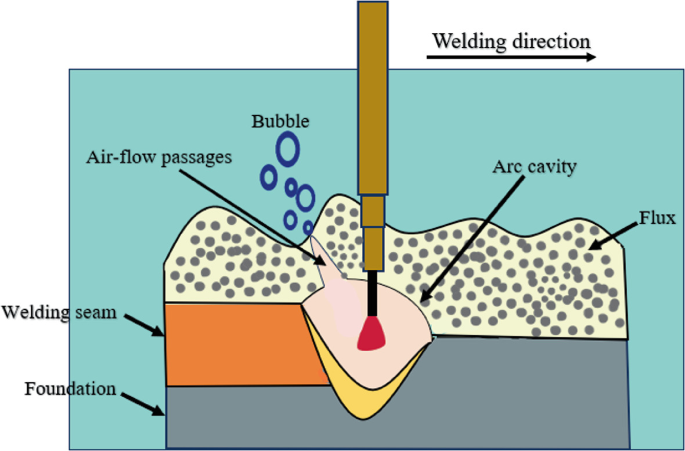
Wet welding works by using specially designed electrodes that create a temporary gas bubble around the electrical arc. When the welder strikes the arc between the electrode and base metal, the intense heat (reaching over 6,000°F) instantly vaporizes surrounding water, forming a protective cavity that insulates the welding process. This vapor envelope allows the molten metal to fuse properly despite being submerged. The electrode’s waterproof coating—typically cellulose-based—stabilizes the arc and regulates weld chemistry while preventing excessive hydrogen absorption that could cause cracking.
How Divers Maintain Control During Wet Welding
You’ll need exceptional hand-eye coordination to succeed with wet welding techniques. Divers must work quickly because water rapidly cools the weld pool, requiring faster travel speeds than surface welding. The electrode angle becomes critical—too steep and the arc becomes unstable, too shallow and you’ll get poor penetration. Visibility challenges underwater mean welders rely heavily on tactile feedback and experience to judge weld quality. They must simultaneously manage breathing, maintain position against currents, and monitor the vapor bubble size, which indicates whether the arc remains properly insulated from surrounding water.
Common Wet Welding Mistakes to Avoid
Many beginners make these critical errors during underwater welding:
– Using improper travel speed – Moving too slowly causes excessive melting and poor bead shape
– Incorrect amperage settings – Too low prevents proper cavity formation, too high creates dangerous steam explosions
– Poor electrode storage – Moisture-damaged electrodes cause porosity and weak welds
– Ignoring water conditions – Strong currents disrupt the vapor cavity, leading to contaminated welds
Dry Hyperbaric Welding: Creating a Dry Workspace Underwater
Dry hyperbaric welding solves the water problem by bringing the dry environment to the work site. This method works by sealing a chamber over the repair area and pumping out the water with pressurized gas—typically helium and oxygen mixtures. Inside this habitat, welders work in completely dry conditions that mimic surface welding environments. The chamber pressure matches the surrounding water pressure at that depth, preventing collapse while allowing normal breathing and welding operations.
Hyperbaric Chamber Setup Process
The dry welding process begins with positioning the hyperbaric chamber precisely over the work area. Technicians then seal it against the structure or seabed before gradually flooding it with the breathing gas mixture. As pressure equalizes with the surrounding water, workers enter through an airlock system. Inside the chamber, welders use conventional TIG or stick welding equipment with minimal modifications. The helium atmosphere actually improves heat transfer, producing cleaner welds with better metallurgical properties than surface equivalents. Quality control becomes significantly easier since inspectors can examine welds immediately using standard surface techniques.
Electrical Principles That Make Underwater Welding Possible
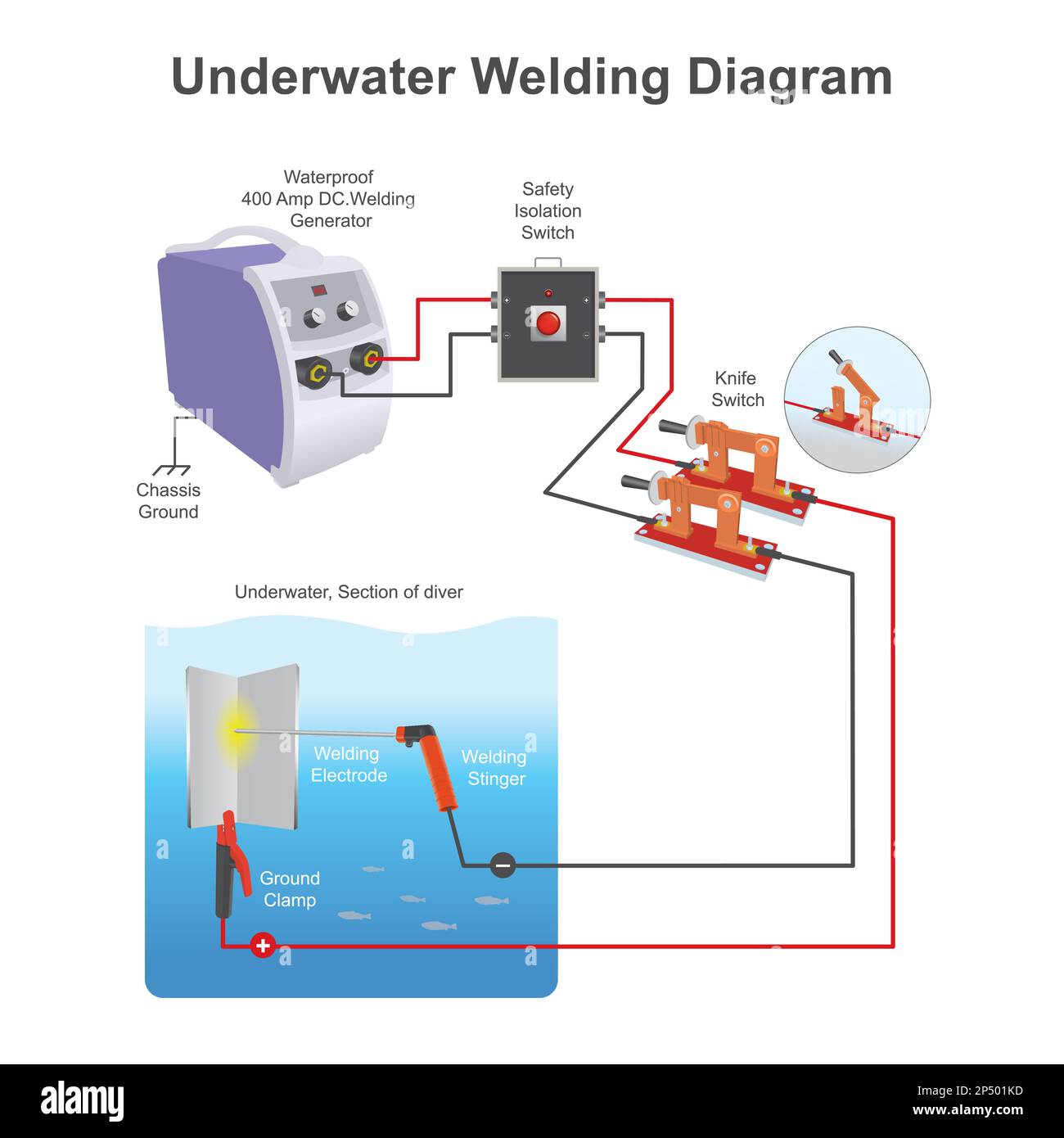
Underwater welding works because electricity follows the path of least resistance, which welders carefully control. The power source delivers 300-400 amps at 70-100 volts—enough to create a stable arc but low enough voltage to reduce shock hazards. When the circuit completes between electrode and workpiece, current flows primarily through the intended path rather than dispersing into surrounding water. The vapor cavity created by the arc’s heat provides crucial insulation, maintaining the electrical path needed for welding while minimizing current leakage.
Safety Measures for Electrical Protection
You must implement these critical electrical safety protocols during underwater welding:
– Regular equipment inspections – Checking all cables for damage before each dive
– Ground fault protection – Automatic shutoff systems that detect current leakage
– Insulated protective gear – Special gloves and boots that prevent electrical conduction
– One-hand rule – Never touching grounded metal with your free hand while welding
– Emergency cutoff switches – Immediately accessible by both diver and surface crew
Essential Equipment for Successful Underwater Welding
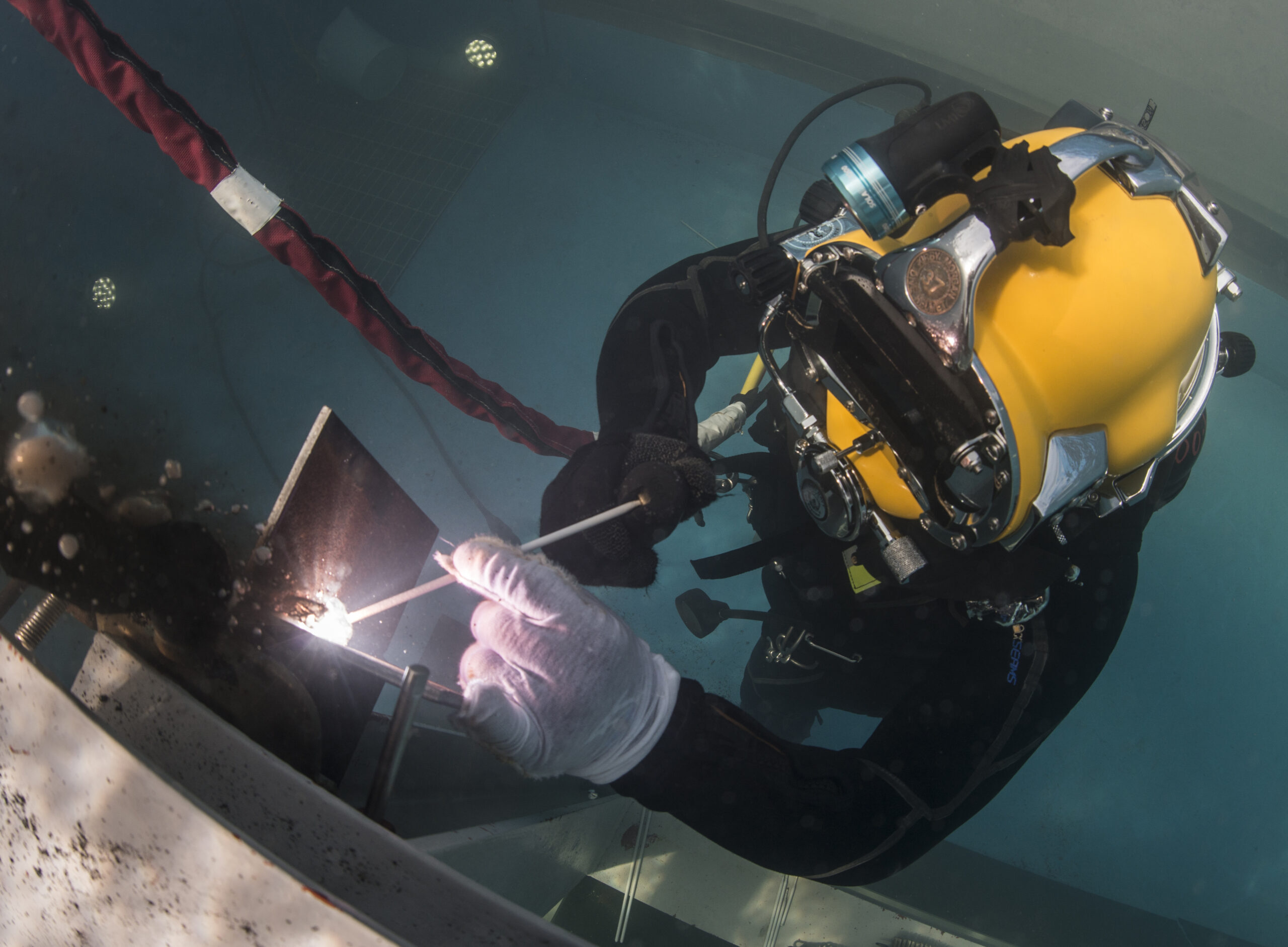
The specialized gear required for underwater welding includes both standard commercial diving equipment and welding-specific modifications. Divers wear thick dry suits with integrated electrical insulation, along with full-face masks that provide communication capabilities. The welding power source remains on the surface, connected via heavy-duty waterproof cables to the diver’s electrode holder—a tool designed with multiple safety features to prevent accidental short circuits. Electrodes feature special waterproof coatings that maintain arc stability while protecting against hydrogen embrittlement in the final weld.
Hyperbaric Welding Support Systems
Dry welding operations require additional sophisticated equipment beyond what wet welding needs:
– Pressure chambers – Custom-fabricated habitats rated for specific depth ranges
– Gas mixing systems – Precise controls for helium-oxygen blends at working pressures
– Environmental monitoring – Continuous tracking of oxygen levels, temperature, and humidity
– Welding manipulators – Robotic arms that position workpieces within the chamber
– Emergency hyperbaric evacuation – Backup systems for rapid worker extraction
Critical Applications Across Marine Industries
Underwater welding works as the backbone of maintenance for offshore energy infrastructure. Oil and gas platforms rely on these techniques for repairing damaged legs, connecting pipelines, and reinforcing structural components—all while production continues uninterrupted. Without this capability, operators would face millions in lost revenue during dry-docking procedures. Ship repair facilities use underwater welding for emergency hull repairs, saving vessels from being towed to distant dry docks. The growing offshore wind industry increasingly depends on underwater welding for foundation installations and cable connections at sea.
Emergency Response Situations
You’ll find underwater welders responding to critical situations where time matters most:
– Collision damage repairs – Patching hull breaches while ships remain afloat
– Natural disaster recovery – Restoring port infrastructure after hurricanes
– Pipeline leaks – Sealing ruptures before environmental damage escalates
– Military operations – Rapid repairs to naval vessels in forward locations
Career Path: Becoming an Underwater Welding Professional
Entering this specialized field requires dual certification in commercial diving and underwater welding. Most professionals begin with 3-6 months of commercial diving school covering diving physics, physiology, and emergency procedures. After obtaining basic diving certification, they complete specialized welding training focused on techniques unique to submerged environments. Entry-level wet welding divers typically earn $50,000-$80,000 annually, with experienced hyperbaric welding specialists commanding $150,000+ through premium daily rates on challenging projects.
Professional Development Opportunities
As you gain experience in underwater welding, several advancement paths open up:
– Hyperbaric welding certification – Higher pay for working in dry chambers
– Non-destructive testing specialization – Inspecting underwater welds
– Project management – Overseeing complex underwater construction
– Training roles – Teaching next generation of welder-divers
– Engineering positions – Developing new underwater welding technologies
Maintaining Quality in Challenging Conditions
Achieving quality welds underwater requires adapting techniques to counter water’s rapid cooling effect. Welders must increase travel speed while maintaining proper heat input to prevent hydrogen-induced cracking—a common issue when moisture interacts with molten metal. Inspection methods differ significantly from surface welding, with divers using specialized tools like underwater cameras, magnetic particle indicators, and ultrasonic testers to verify weld integrity. For critical applications, radiographic testing with isotope sources provides detailed internal views of underwater welds.
Overcoming Common Quality Challenges
You can address these frequent underwater welding defects:
– Porosity – Caused by gas entrapment; solved by proper electrode selection and travel speed
– Incomplete fusion – Result of insufficient heat; corrected with higher amperage settings
– Cracking – Often hydrogen-related; prevented with low-hydrogen electrodes and preheating
– Slag inclusions – From improper cleaning between passes; avoided with thorough inspection
Understanding how underwater welding works reveals the sophisticated engineering that enables us to build and maintain critical infrastructure beneath the waves. By mastering the interplay between electricity, water pressure, and metallurgy, skilled professionals perform essential work that keeps global maritime operations functioning. Whether through the immediate responsiveness of wet welding or the precision of hyperbaric techniques, this specialized field continues evolving to meet the demands of deeper waters and more complex offshore projects. As you consider the submerged structures supporting our modern world—from oil platforms to underwater cables—you now understand the remarkable processes that keep them intact and operational beneath the surface.
Leave a Reply