
When you see a beautifully welded joint holding together a car frame, bridge support, or custom metal art, you’re witnessing the fundamental physics of material science in action. How does welding work? At its essence, welding joins materials—primarily metals—by using high temperature to melt the parts together, allowing them to cool and fuse into a unified structure. This process differs significantly from lower-temperature bonding techniques like brazing and soldering, which don’t melt the base metal. Understanding the science behind how welding work reveals why properly executed welds can actually be stronger than the original base material itself. Whether you’re a DIY enthusiast considering your first welding project or simply curious about this essential manufacturing process, knowing the fundamentals will help you appreciate the precision engineering happening every time an arc flashes or a torch flares.
The magic happens at the molecular level where atoms from separate pieces of metal intermingle and form new bonds. When metals reach their melting point, their crystalline structure breaks down, allowing atoms to flow together. As this molten mixture—the weld pool—cools, new crystal structures form that connect previously separate pieces into one continuous mass. This transformation requires precise control of heat input, shielding from atmospheric contamination, and proper technique to create joints capable of withstanding tremendous stress.
The Atomic Bonding Process That Creates Permanent Joints
Welding fundamentally works by bringing metal pieces to a state where their atoms can intermingle and form new bonds. When you apply sufficient heat to reach the melting point, the crystalline structure of the metal breaks down, allowing atoms from both pieces to flow together. As the weld pool cools, new crystal structures form that connect the previously separate pieces into one continuous mass. This process creates a joint that, when done correctly, has structural integrity equal to or exceeding the original base material.
Solid-state welding operates differently, joining metal pieces using pressure without melting them. These processes create bonds through mechanical deformation that brings atomic structures into such close proximity that atomic forces forge a connection. Electric resistance welding exemplifies this approach, using high current passed through metal sheets to generate heat from electrical resistance while simultaneously applying pressure. The electrodes—typically made of highly conductive copper—press the metal sheets together, with the higher resistance in the base metals causing localized melting that forms the weld.
Heat Sources That Transform Metal Without Destroying It
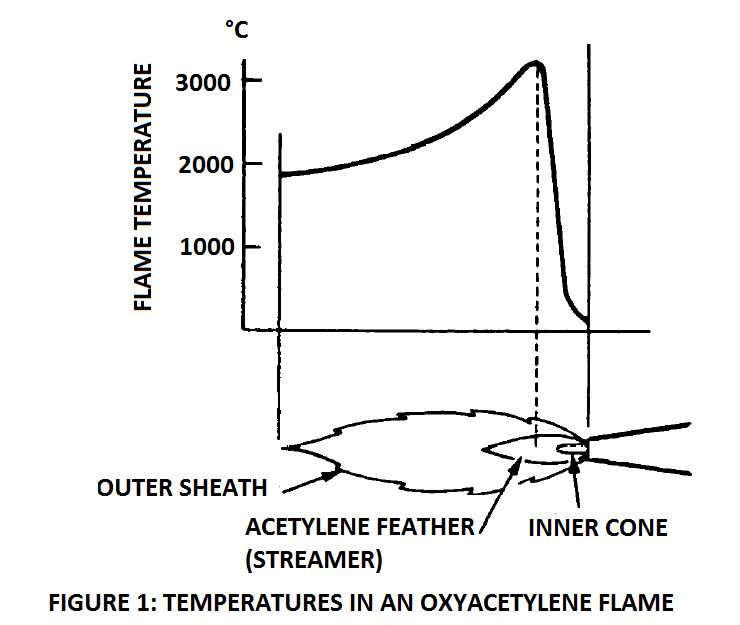
Welding employs various energy sources to achieve the precise temperatures needed for fusion without damaging surrounding material. Chemical energy from gas flames, particularly oxyacetylene torches, produces flames reaching approximately 3,100°C (5,600°F) near the torch tip. This relatively diffuse heat source warms a broader area but allows for precise control, making it suitable for thin materials where concentrated heat might cause distortion.
Electrical energy powers arc welding processes, where an electric arc struck between an electrode and base material generates intense localized heat exceeding 5,000°C at the arc’s core. This concentrated heat creates deep penetration welds with relatively narrow heat-affected zones. For precision applications, laser beams and electron beams provide highly focused energy capable of deep penetration with minimal heat spread. Friction-based methods generate heat through mechanical motion as one piece rubs against another, while ultrasound uses high-frequency vibrations to create bonds in specialized solid-state welding applications.
Why Temperature Control Matters for Different Metals
Each metal has specific temperature requirements that determine which welding process will work best. Aluminum requires careful heat management due to its high thermal conductivity, while stainless steel needs precise temperature control to prevent chromium depletion that causes corrosion. Thin materials demand lower heat input to avoid burn-through, whereas thick sections require sufficient heat to achieve proper penetration without creating excessive residual stresses. The welding position also affects heat distribution—overhead welding requires faster travel speeds to prevent the weld pool from falling due to gravity.
Shielding Techniques That Prevent Weld Failure

Protection of the molten weld pool from atmospheric contamination represents one of the most critical technical requirements in fusion welding. Without proper shielding, oxygen and nitrogen would enter the weld pool, causing oxidation, porosity, and brittleness that compromise joint strength. Understanding how welding work properly requires grasping the various shielding methods used to create clean, strong welds.
Different processes achieve this protection through specific methods. Gas metal arc welding (MIG) uses shielding gas delivered from cylinders containing inert gases like argon or helium that flow over the weld pool to displace atmospheric gases. Shielded metal arc welding (stick welding) relies on flux—a coating on the electrode that disintegrates during welding to create protective gases and a slag layer. In gas welding, the diffuse outer envelope of the flame naturally consumes oxygen before it can reach the molten weld pool, providing inherent shielding.
Common Shielding Mistakes That Weaken Welds
Many beginners make critical errors with shielding that lead to weak, porous welds:
- Insufficient gas flow: Too little shielding gas allows atmospheric contamination
- Excessive distance: Holding the welding gun too far from the workpiece reduces shielding effectiveness
- Wind interference: Outdoor welding without protection from wind disperses shielding gas
- Contaminated surfaces: Oil, paint, or rust on base metal creates gases that contaminate the weld pool
- Moisture exposure: Wet electrodes or base metal introduces hydrogen that causes cracking
Arc Welding: The Most Common Industrial Process
All arc welding processes use a welding power supply to create and maintain an electric arc between an electrode and the base material. This arc generates intense localized heat that melts metals at the welding point. These processes can use alternating current (AC) or direct current (DC), with each type offering different characteristics suited to specific applications.
Shielded Metal Arc Welding (Stick Welding)
Stick welding represents one of the most common and versatile types of arc welding. Electric current strikes an arc between the base material and a consumable electrode rod covered with flux that protects the weld area. The electrode core acts as filler material, eliminating the need for separate filler rods. This process works well in challenging conditions, including outdoors and on rusty or painted metal, making it popular for construction and repair work. While slower than some automated methods due to frequent electrode replacement and slag removal, its simplicity and portability keep it widely used.
Gas Metal Arc Welding (MIG Welding)
MIG welding uses a continuous wire feed as an electrode along with an inert gas mixture to protect the weld. The continuous electrode allows for much greater welding speeds compared to stick welding and offers high deposition rates on various metals. These advantages have made MIG extremely popular in industrial manufacturing, particularly for automotive body repair. However, it requires more expensive equipment than stick welding and is more sensitive to wind and drafts that can blow away the shielding gas.
Solid-State Welding Without Melting Metal
Solid-state welding processes join two pieces of metal without melting the materials, using pressure and sometimes heat below the melting point to create atomic bonds. These methods avoid many problems associated with fusion welding, such as grain growth in the heat-affected zone and solidification cracking.
Friction Stir Welding for High-Strength Joints
Friction stir welding uses mechanical motion to generate heat at the joint interface without melting base materials. A rotating tool with a specially designed profile is plunged into the joint line and traversed along the weld length, generating friction heat that softens the material. The tool’s profile then stirs the material at the interface, creating a solid-state bond with excellent mechanical properties. This process, invented in 1991, has found high-quality applications across aerospace, shipbuilding, and railway manufacturing, particularly for aluminum alloys difficult to weld using fusion methods.
Ultrasonic Welding for Precision Applications
Ultrasonic welding connects thin sheets or wires by vibrating them at high frequency under high pressure. The equipment resembles resistance welding equipment, but vibration provides the energy input instead of electric current. When welding metals, vibrations are introduced horizontally, and the materials do not melt. This process is commonly used for making electrical connections from aluminum or copper and serves as a very common method for joining plastic components in consumer electronics and medical devices.
Essential Safety Measures Every Welder Must Follow
Welding involves significant hazards requiring proper precautions to avoid burns, electric shock, vision damage, and inhalation of toxic fumes. Understanding how welding work safely is just as crucial as understanding the technical aspects of the process itself.
Critical Personal Protective Equipment
Welders must wear heavy leather gloves and protective long-sleeve jackets made from natural fibers like dense cotton or wool to avoid exposure to extreme heat and sparks. Never wear synthetic fabrics like polyester because molten material that splatters onto them will melt directly through the fabric, causing severe burns. Arc welding produces intense ultraviolet light many times brighter than sunlight, capable of causing “arc eye” or flash burns. Auto-darkening welding helmets with UV-filtering face plates are essential protection, and welding areas should be surrounded by translucent PVC curtains to protect bystanders.
Ventilation Requirements for Toxic Fume Removal
Processes like flux-cored and stick welding produce smoke containing particles of various oxides, with smaller particles presenting greater danger because they can cross the blood-brain barrier. Local exhaust ventilation solutions—such as downdraft benches, fume hoods, or fume extraction welding guns—remove fumes directly from the welding area. Even with proper ventilation, respirators provide additional protection, with half-mask elastomeric respirators showing significant reduction in particulate inhalation according to studies.
Quality Control: Ensuring Strong, Reliable Welds
The heat-affected zone (HAZ) represents a critical area where welding temperature combined with thermal stresses alters the heat-treatment properties of the alloy surrounding the weld. High thermal diffusivity materials cool quickly, resulting in relatively small HAZ, while low diffusivity leads to slower cooling and larger HAZ. Processes like oxyacetylene welding have unconcentrated heat input that increases HAZ size, while laser beam welding provides concentrated heat that minimizes the affected area.
Testing methods for weld quality fall into destructive and non-destructive categories. Non-destructive testing methods include visual inspection, radiography, ultrasonic testing, dye penetrant inspection, and magnetic particle inspection. Common welding defects that testing aims to detect include cracks, distortion, porosity, lack of fusion, incomplete penetration, and undercutting. Understanding these potential failure points helps welders produce joints that meet required strength specifications for their specific applications.
Welding truly represents a remarkable intersection of physics, metallurgy, and practical craftsmanship. From the ancient forge techniques of blacksmiths to the precision automated systems of today’s factories, the fundamental principle remains consistent: applying energy to bring materials to a state where their atoms can mingle and form bonds stronger than the original material itself. Whether you’re learning to weld as a hobbyist or seeking to understand the processes used in your industry, grasping how welding work provides the foundation for creating strong, reliable joints that form the backbone of our modern world.
Leave a Reply