
When your metal project requires joining components, understanding the critical differences between brazing and welding becomes essential. Many DIY enthusiasts and even some professionals confuse these two metal-joining processes, leading to failed projects and wasted materials. This confusion matters because selecting the wrong technique can compromise structural integrity, create safety hazards, and dramatically increase project costs. In this guide, you’ll discover exactly how brazing differs from welding across seven key technical dimensions, helping you choose the right method for your specific application.
Fundamental Process Differences: Heat Application and Metal Behavior
The most significant distinction between brazing and welding lies in how heat affects the base metals during the joining process. Understanding this difference prevents costly mistakes when working with different metal types and thicknesses.
How Brazing Joins Metals Without Melting Base Material
Brazing operates on a simple but powerful principle: joining metals without melting the workpieces themselves. The process uses a filler metal with a melting point below 450°C (842°F) that flows between tightly fitted parts through capillary action. As the filler metal cools, it bonds the pieces together while the original base metals maintain their structural integrity. This characteristic makes brazing particularly valuable when working with dissimilar metals or heat-sensitive components that would warp or weaken under higher temperatures.
Why Welding Requires Base Metal Melting for Stronger Bonds
Welding fundamentally differs by intentionally melting the base metals at the joint point along with a filler material. This creates a molten pool that, when cooled, forms a single continuous piece of metal. The welding process typically requires temperatures exceeding 1500°C (2732°F), completely restructuring the molecular composition at the joint. This higher heat input creates stronger bonds but also introduces significant challenges including greater distortion, larger heat-affected zones, and more demanding operator skill requirements.
Temperature Requirements and Their Practical Implications

The temperature difference between these processes creates ripple effects throughout your entire project planning and execution.
How Lower Brazing Temperatures Benefit Heat-Sensitive Projects
Brazing’s lower operating temperatures (typically 450-620°C or 842-1148°F) offer distinct advantages for specific applications. When working with thin materials, complex assemblies, or components containing heat-sensitive elements like electronics or bearings, brazing prevents warping and damage. The reduced thermal stress means less post-processing is needed to correct distortion, saving significant time in manufacturing environments. Additionally, the lower heat input requires less sophisticated and expensive equipment, making brazing more accessible for small workshops and DIY projects.
Why Welding’s High Temperatures Create Stronger but More Problematic Joints
Welding’s extreme heat (often 1500-3000°C or 2732-5432°F) fundamentally alters the metallurgical structure of the base materials. While this creates exceptionally strong joints capable of withstanding high stress and pressure, it also introduces several challenges. The intense heat creates larger heat-affected zones where material properties change, potentially weakening the surrounding area. This thermal stress frequently causes warping and distortion that requires additional straightening processes. The higher temperatures also demand more sophisticated equipment, greater operator skill, and stricter safety protocols due to intense UV radiation and fumes.
Filler Material Characteristics and Selection Criteria

The role and properties of filler materials differ substantially between these two joining methods, affecting both process execution and final joint performance.
Why Brazing Filler Metals Flow Through Capillary Action
Brazing filler metals are specifically formulated to flow between closely fitted parts through capillary action. These fillers typically contain silver, copper, aluminum, or nickel alloys designed to wet the base metal surfaces without melting them. The critical 0.001-0.005 inch gap requirement between parts ensures proper capillary action—too wide a gap prevents effective flow, while too narrow restricts it. This precise gap requirement means brazing demands exceptional fit-up accuracy before heating begins, but offers the advantage of creating smooth, clean joints that often require minimal finishing.
How Welding Filler Metals Become Integral to the Joint Structure
In welding, the filler material doesn’t just bridge the gap—it becomes an integral part of the joint structure itself. Welding fillers are selected to match or complement the base metal composition, melting directly into the weld pool to form a homogeneous structure. Unlike brazing, welding can accommodate wider gaps between pieces, though precise fit-up still produces superior results. The filler selection process for welding is more complex, requiring matching tensile strength, chemical composition, and mechanical properties to the base metals. This integration creates stronger joints but also means any impurities in the filler metal become permanent structural elements.
Joint Strength Characteristics and Structural Performance
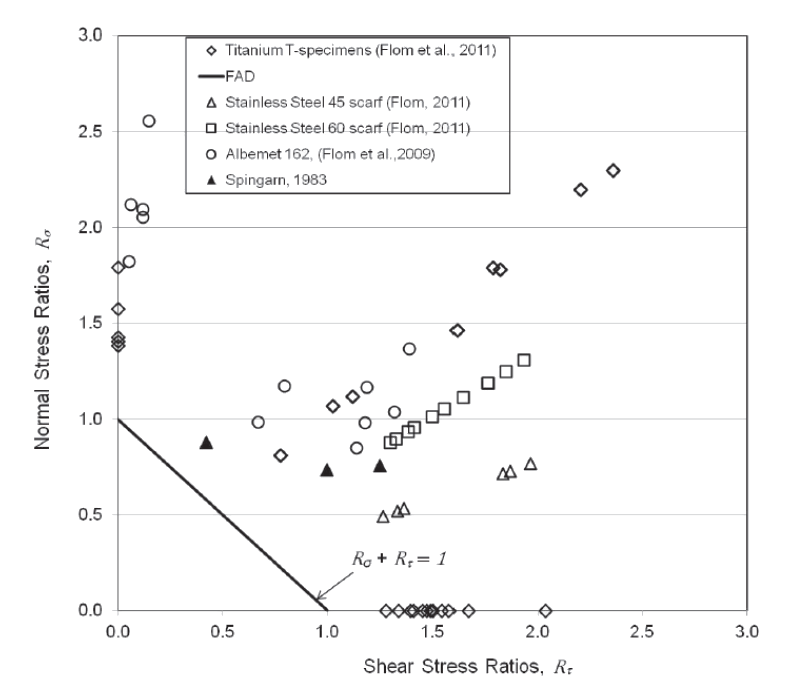
The structural integrity of your finished project depends heavily on understanding how these processes affect final joint strength.
When Brazed Joints Provide Adequate Strength with Less Distortion
Brazed joints typically achieve 95-100% of the base metal’s strength in shear applications but only 30-40% in tensile strength compared to welded joints. This makes brazing ideal for applications where shear forces dominate, such as in HVAC systems, automotive radiators, and electrical connections. The significant advantage comes from brazing’s minimal distortion—critical for precision assemblies where dimensional accuracy matters more than absolute strength. Brazed joints also distribute stress more evenly across the joint area rather than concentrating it at a single point.
Why Welded Joints Excel in High-Stress Structural Applications
Welded joints generally match or exceed the strength of the base metals themselves when properly executed. This makes welding the preferred choice for structural applications like building frameworks, pressure vessels, and heavy machinery where maximum strength is non-negotiable. The molecular fusion created during welding produces a single continuous piece of metal at the joint, capable of withstanding extreme forces in multiple directions. However, this superior strength comes with trade-offs: welded joints concentrate stress at the weld toe, creating potential failure points, and the heat-affected zone often becomes the weakest part of the assembly.
Practical Application Scenarios: Choosing the Right Method
Selecting between brazing and welding requires evaluating your specific project requirements against each process’s strengths and limitations.
Ideal Brazing Applications: Precision, Dissimilar Metals, and Heat Sensitivity
Brazing shines in applications involving dissimilar metals, thin materials, or complex assemblies where heat distortion would be problematic. Common examples include:
– Joining copper refrigeration lines in HVAC systems
– Assembling carbide-tipped cutting tools
– Manufacturing heat exchangers and radiators
– Creating jewelry and decorative metalwork
– Repairing cast iron components without cracking
The process works exceptionally well when you need clean, smooth joints with minimal finishing required, particularly for visible applications where aesthetics matter.
When Welding Becomes the Necessary Choice for Structural Integrity
Welding becomes essential when maximum strength and durability are non-negotiable requirements. Typical applications include:
– Structural steel construction (buildings, bridges)
– Pressure vessels and pipelines
– Heavy equipment frames and components
– Marine and aerospace structural elements
– Automotive chassis and roll cages
If your project must withstand extreme forces, high pressure, or significant vibration, welding typically provides the necessary structural integrity that brazing cannot match.
Cost and Skill Considerations for Project Planning
Your decision between brazing and welding should also account for equipment costs, operator skill requirements, and overall project economics.
Why Brazing Offers Lower Entry Costs and Easier Learning Curve
Brazing equipment generally costs less than welding systems, with basic torch setups starting at a fraction of welding machine prices. The lower temperatures involved reduce safety equipment requirements, though proper ventilation remains essential. Skill development for brazing progresses more quickly—competent brazing can be achieved with weeks of practice rather than months or years. This lower barrier to entry makes brazing attractive for small businesses and hobbyists, though achieving consistent high-quality results still demands attention to detail and proper technique.
The Higher Investment Required for Professional Welding Results
Welding demands significantly higher initial investment in equipment, safety gear, and ongoing consumables. Professional-grade welding systems cost substantially more than brazing setups, and the electricity consumption alone can be considerable. Achieving proficiency in welding techniques often requires extensive training, practice, and certification—particularly for specialized processes like TIG welding. The higher skill threshold means welding labor costs more, but the investment pays off in applications where structural integrity is paramount and failure isn’t an option.
Making the Right Choice for Your Specific Project Needs
Selecting between brazing and welding ultimately depends on matching process capabilities to your project’s specific requirements. Consider these decisive factors when making your choice:
- Material thickness: Brazing works best with thin materials (<1/8 inch), while welding excels with thicker sections
- Joint strength requirements: Choose welding for high-stress structural applications
- Material compatibility: Brazing joins dissimilar metals more effectively
- Heat sensitivity: Opt for brazing when working with heat-sensitive components
- Aesthetic requirements: Brazing typically produces cleaner, smoother joints
- Available resources: Consider equipment costs, operator skill level, and time constraints
By understanding how brazing differs from welding across these critical dimensions, you’ll make informed decisions that ensure your metal joining projects succeed both functionally and economically. The right choice isn’t about which process is “better” overall—it’s about selecting the method that best serves your specific application requirements.
Leave a Reply