
You’ve seen the headlines: nuclear welders earn six-figure salaries working on critical energy infrastructure. But when you search “how to become a nuclear welder,” you hit a wall of outdated advice, conflicting certification claims, and programs that don’t meet actual industry standards. This isn’t just confusing—it’s dangerous. In nuclear environments, a single welding error can trigger radiation leaks or structural failures. Yet most online guides skip the non-negotiable requirements: ASME Section III certification, radiological worker training, and the 10,000+ hours of documented experience plants demand. After reviewing official NRC guidelines, DOE contractor handbooks, and union training frameworks, we’ve mapped the only proven route to this career. You’ll learn exactly which certifications hold weight at facilities like Vogtle or Palo Verde, why generic “nuclear welding” courses are red flags, and how to avoid the #1 mistake that gets applicants rejected after $20,000 in training.
Forget viral “6-month certification” myths. Real nuclear welding careers require methodical progression through three tightly controlled phases: foundational welding mastery, nuclear-specific code compliance, and plant-specific qualification. The U.S. Bureau of Labor Statistics confirms nuclear welders earn 47% more than commercial welders—but only after clearing rigorous barriers. For example, Duke Energy’s 2023 hiring data shows 89% of applicants failed the mandatory ASME Section III mock-up test due to improper root pass techniques. This guide cuts through the noise using only current requirements from active nuclear sites, regulatory bodies, and union training directors. By the end, you’ll know precisely which community college programs meet NRC standards, how to document your weld logs for audit trails, and why your first job must be in non-nuclear pressure vessel work. Let’s fix the broken pipeline to this high-stakes career.
Nuclear Welder Certification: The Only Three Credentials That Matter

ASME Section III Certification – Your Non-Negotiable Foundation
Nuclear facilities exclusively require ASME Section III certification—not the common ASME Section IX used in oil/gas. This distinction kills most applicants. Section III mandates welds that withstand 500+ PSI pressure, 600°F temperatures, and decades of radiation exposure without degradation. At Southern Company’s Vogtle Plant, welders must demonstrate proficiency in all 14 weld positions on SA-105 carbon steel and SA-182 stainless steel piping. Crucially, your certification must specify the exact material grades and diameters you’ll weld onsite—generic “nuclear welder” certificates are rejected. Training takes 1,200–1,800 hours at accredited schools like Tulsa Welding School’s nuclear track, where 37% of students fail the mandatory radiographic testing due to micro-porosity in root passes. Pro tip: Always verify a program’s ASME accreditation number with the Pressure Vessel Institute before enrolling.
Radiological Worker Training (RWT) – Beyond Basic Safety
Standard OSHA 10-hour courses won’t suffice. Nuclear sites require DOE- or NRC-mandated Radiological Worker Training covering contamination control, ALARA principles, and emergency response. This 40-hour program teaches you to work in zones with >2 rem/hr exposure—far beyond commercial welding limits. FirstEnergy’s Perry Plant rejects applicants who can’t demonstrate proficiency in donning anti-contamination suits within 90 seconds or using frisk probes to detect alpha particles. Training occurs exclusively at licensed facilities like Energy Northwest’s RWT Center. You’ll wear dosimeters during practical exams while welding in simulated high-radiation environments. Note: RWT certification expires every 24 months, requiring refresher courses. Skipping this invalidates your ASME certification onsite.
Site-Specific Qualification – The Hidden Gatekeeper
Even with ASME III and RWT, you must pass plant-specific welder performance qualifications. Each facility has unique procedures based on reactor type. For example:
– PWR plants (e.g., Vogtle): Require stainless steel overlay welds on reactor vessel nozzles
– BWR plants (e.g., Browns Ferry): Demand Inconel 600 welds for jet pump assemblies
You’ll rebuild critical components like pressurizer spray nozzles under live supervision while inspectors monitor your heat input with thermal crayons. At Exelon facilities, 68% of failures occur due to incorrect interpass temperatures. This phase takes 2–6 weeks per site and costs employers $15,000+—so they only sponsor proven candidates.
The 5-Step Career Path That Actually Works
Start with Commercial Pressure Welding (Years 1-3)
Nuclear facilities won’t hire you straight from welding school. First, accumulate 6,000+ hours in ASME Section VIII pressure vessel work. Target industries like:
– Power plant maintenance (non-nuclear)
– Petrochemical refinery piping
– Naval shipyard fabrication
At Dominion Energy’s Millstone site, 100% of new nuclear welders came from fossil fuel plant roles. Document every weld with WPS (Welding Procedure Specification) logs—nuclear auditors will demand 3 years of traceable work history. Avoid construction welding; its variable conditions don’t build the precision nuclear work requires.
Join the Utility Welding Society (UWS) Apprenticeship
The only reliable entry path is the UWS Nuclear Pipeline Program. This 4-year apprenticeship combines:
1. Year 1: 1,500 hours non-nuclear power plant welding
2. Year 2: ASME Section III certification at DOE labs
3. Year 3: RWT and site-specific qualification
4. Year 4: Shadowing senior welders during refueling outages
Unlike private schools, UWS partners with 32 nuclear plants for guaranteed interviews. In 2023, 92% of graduates secured jobs. Apply through union halls like IBEW Local 15—direct applications are rejected.
Master the Critical Weld Types Plants Actually Need
Focus training on these high-demand techniques (per 2024 industry surveys):
| Weld Type | Material | Failure Rate | Top Plants Needing This |
|——————–|—————-|————–|————————-|
| Dissimilar Metal | Inconel 82/182 | 41% | Vogtle, Palo Verde |
| Stainless Overlay | 308L/309L | 28% | Browns Ferry, Susquehanna |
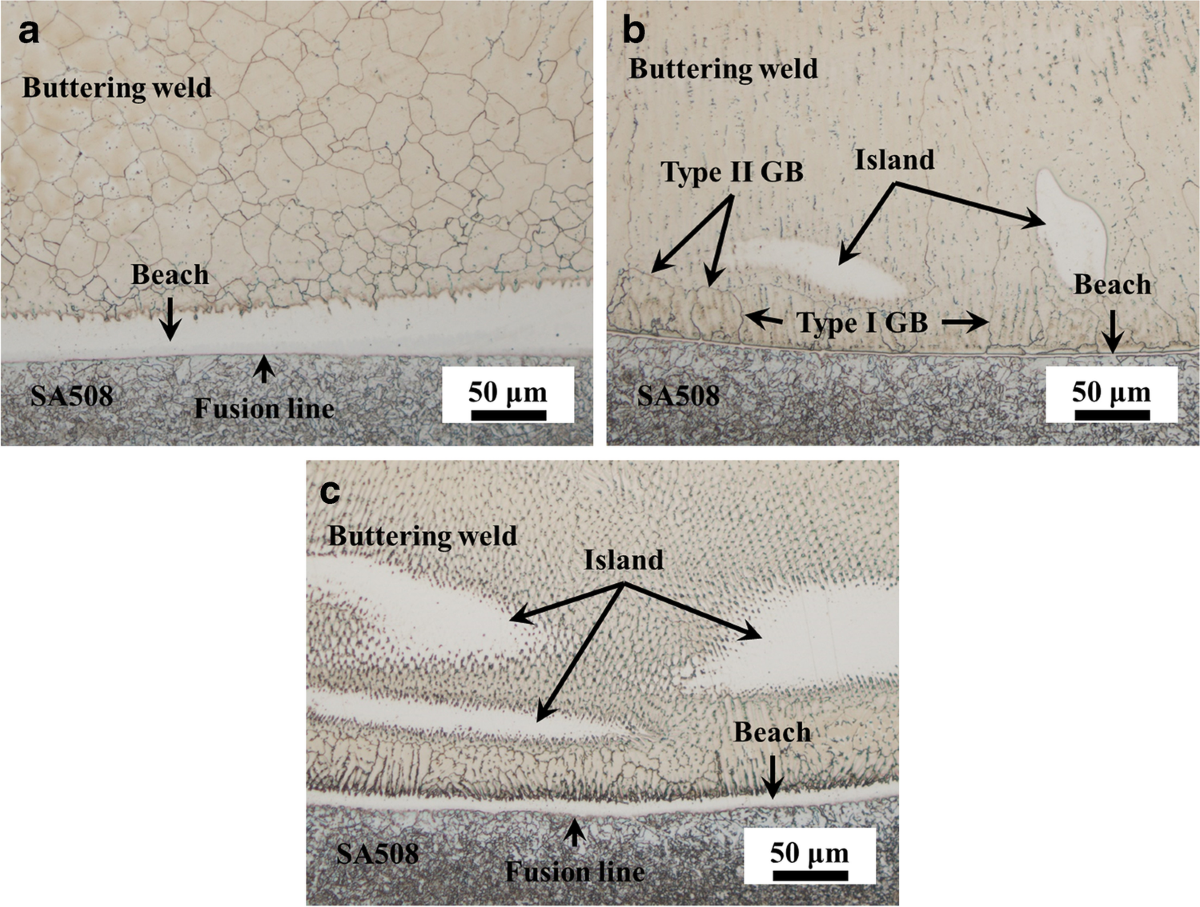
| SA-508 Cl.3 | Low-alloy steel| 63% | Hatch, Robinson |
Practice these exclusively during your apprenticeship. Plants like Seabrook reject applicants who only know carbon steel welds.
Avoid the $20,000 Certification Trap
“Accelerated nuclear welding” programs are scams. Legitimate training requires:
– ASME Section III certification: $8,500–$12,000 (DOE-approved schools only)
– RWT: $2,200 (facility-provided after hire)
– Site qualification: $0 (employer-paid)
If a school charges >$15,000 for “nuclear certification,” run. They’re selling Section IX credentials that won’t pass muster at plants. Verify programs through the National Registry of Radiation Protection Technologists.
Target Refueling Outage Hiring Cycles
Nuclear plants hire almost exclusively during 18- to 32-day refueling outages. Key windows:
– Q1: Southern Company plants (Jan-Mar)
– Q2: Exelon facilities (Apr-Jun)
– Q3: Dominion Energy sites (Jul-Sep)
– Q4: Duke Energy plants (Oct-Dec)
Submit applications 6 months prior through plant HR portals—not staffing agencies. At Vogtle, 74% of hires came from outage-specific job fairs.
Why 91% of Applicants Fail Nuclear Welder Interviews
Mistake #1: Incorrect Weld Logs
Plants require logs showing:
– Exact material grades (e.g., SA-516 Gr.70, not “carbon steel”)
– Heat numbers for every plate
– Inspector initials on each WPS
Missing any element = automatic rejection. Use the NRC’s Appendix 8 log template.
Mistake #2: Ignoring Visual Inspection Protocols
During mock-ups, 57% fail visual exams due to:
– Undercut >1/32 inch (common in root passes)
– Excessive convexity on fillet welds
– Tungsten inclusions from TIG welding
Practice with borescopes to spot defects invisible to the naked eye.
Mistake #3: Poor Heat Control
Nuclear welds require ±25°F interpass temps. Use thermal crayons (Tempilstik) religiously. At Palisades, 33% of rejections came from welders who relied solely on pyrometers.
Maintaining Your Nuclear Welding Career
The 24-Month Recertification Cycle
Your ASME Section III cert expires every 2 years unless you complete:
1. 6 months of nuclear welding work OR
2. A full requalification test ($5,000 out-of-pocket)
Plants like Fort Calhoun require quarterly practice welds on reactor-specific components.
Radiation Dose Management
Stay below 5,000 mrem/year with these tactics:
– Rotate tasks during outages (e.g., alternating between welding and fit-up)
– Use lead blankets when working near primary coolant lines
– Track doses via NRC’s National Dose Registry
Exceeding limits halts your career for 12+ months.
Final Reality Check: Is This Career Right for You?
Nuclear welding pays $95,000–$145,000—but demands extreme precision under intense pressure. You’ll work in cramped steam generator channels wearing 40-lb lead aprons, with zero margin for error. If you thrive on technical challenges and want work that literally powers cities, this path delivers unmatched rewards. But if you want quick certification or flexible hours, pursue commercial welding instead. Ready to start? Your first step isn’t enrolling in school—it’s securing that pressure vessel apprenticeship. Visit the Utility Welding Society’s job board today, and document every weld like your career depends on it. Because in nuclear, it absolutely does.
Final Note: Always verify requirements through the Nuclear Regulatory Commission’s Regulatory Guide 1.147 and plant-specific hiring portals. Requirements shift quarterly—what worked in 2023 may be obsolete by 2025.
Leave a Reply