
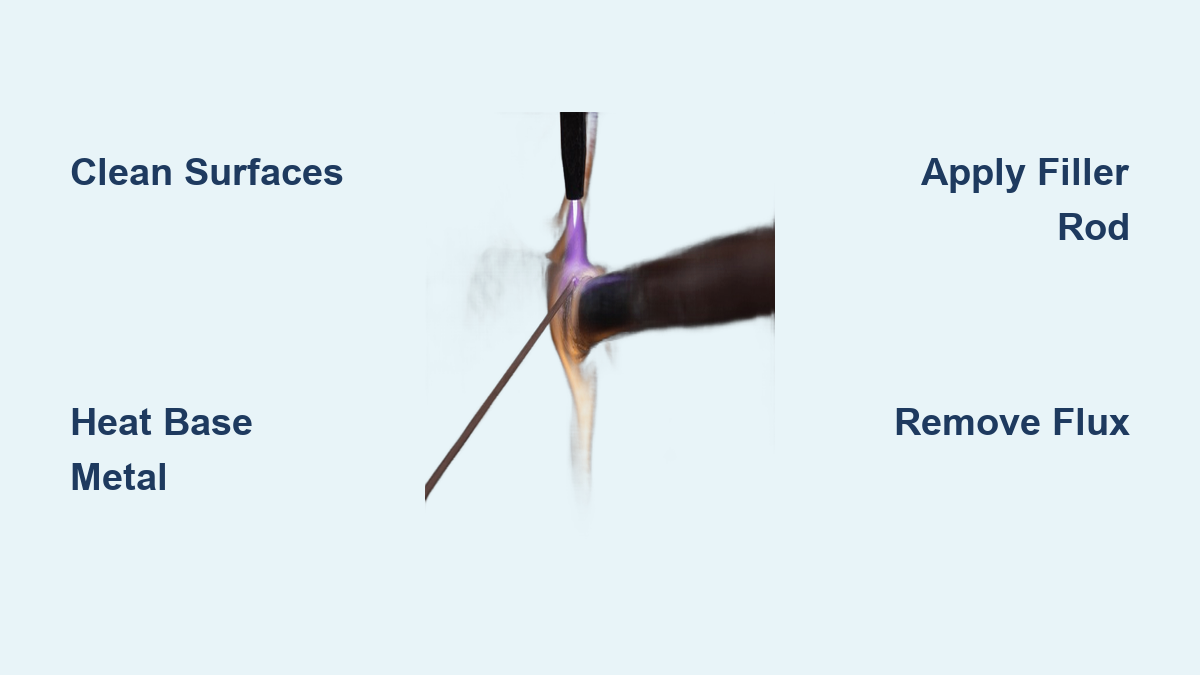
Brazing welding creates strong, leak-proof metal joints without melting the base materials, making it ideal for joining dissimilar metals, thin materials, and precision components. Unlike traditional welding that fuses base metals together, brazing uses a filler metal with a lower melting point that flows into the joint through capillary action, bonding the pieces together at a molecular level. This process produces joints often stronger than the filler metal itself while leaving base materials undistorted by excessive heat. Whether you’re repairing copper pipes, joining automotive components, or creating custom metal projects, mastering how to braze weld opens up possibilities that other joining methods cannot match. This comprehensive guide walks you through every step of the brazing process, from selecting materials to executing professional-quality joints safely.
Why Brazing Beats Welding for Delicate Metal Work
Brazing occupies a unique position among metal-joining processes, offering advantages that neither welding nor soldering can provide. The fundamental distinction lies in temperature: brazing occurs above 840°F but remains below the melting point of the base metals being joined. This thermal window allows the filler metal to melt and flow while the base materials remain solid, creating a metallurgical bond without the structural changes that accompany full melting.
The capillary action that distinguishes brazing from other processes occurs when molten filler metal is drawn into the narrow gap between properly prepared surfaces through molecular attraction and surface tension. This action ensures complete coverage along the entire joint length, producing a continuous bond that resists vibration and thermal cycling better than welded joints in many applications. The ideal joint gap for capillary action falls between 0.002 and 0.010 inches—narrow enough to promote capillary flow but wide enough to allow complete filler penetration.
When Should You Choose Brazing Over Other Methods?
You’ll want to use brazing when working with dissimilar metals such as copper to steel, aluminum to stainless steel, or brass to cast iron using appropriate filler metals and techniques. Thin materials that would warp or burn through during welding accept braze successfully because the lower heat input prevents distortion. Precision components maintain their dimensions and properties since the base metal never reaches its melting point. If you’re working with electrical connections, plumbing systems, or automotive components where heat damage is a concern, how to braze weld properly becomes essential knowledge.
Essential Tools and Materials for Successful Brazing

What Torch Setup Works Best for Beginners?
For most DIY brazing projects, an air-fuel torch using propane provides sufficient heat at a reasonable cost, though oxy-fuel torches deliver higher temperatures and better control for professional work. Select torch tip sizes appropriate for your work piece—larger tips for thick materials, finer tips for delicate work. Your filler metal selection determines joint characteristics and which flux you’ll need. Silver-based filler metals (often called silver solder) work well with most common base metals including copper, brass, steel, and stainless steel. Copper-phosphorus fillers are self-fluxing when joining copper and copper alloys, eliminating separate flux requirements for these materials.
Critical Safety Gear You Can’t Skip
Always wear heat-resistant gloves to protect against hot metal and torch flames. Safety glasses with side shields are mandatory, though a full face shield provides better protection when working with larger assemblies. Flame-resistant clothing covering arms and legs prevents burns from stray sparks, while steel-toed boots protect your feet from dropped parts. For indoor work, install proper ventilation to remove fumes—especially important when using cadmium-containing filler metals which release highly toxic fumes.
Prepare Your Joint for Maximum Strength
How to Design Joints That Won’t Fail
Lap joints provide the greatest strength because they maximize bonding surface area—the overlap length should be three to five times the thinnest member thickness for optimal performance. Butt joints, while simpler to prepare, produce weaker connections limited to the cross-sectional area of the joint. When butt joints are necessary, scarfing the edges increases effective joint length and improves strength.
Proper Surface Cleaning Techniques
Surface preparation determines whether your joint will succeed or fail. Clean the joint area and several inches beyond using mechanical methods like wire brushing, sanding, or grinding, followed by chemical cleaning with solvent degreasing. After cleaning, rinse thoroughly and dry completely. Handle cleaned parts with clean gloves to prevent recontamination—oils from your skin alone can prevent proper filler metal wetting.
Pro Tip: For copper pipes, use emery cloth to clean both the inside of fittings and outside of pipes until they shine bright—this ensures proper capillary action when you learn how to braze weld plumbing connections.
Execute Perfect Brazed Joints Step-by-Step
How to Heat Metal for Optimal Capillary Action
Light your torch and adjust to a neutral flame—avoid carburizing flames that deposit carbon. Apply heat using broad, sweeping motions that distribute energy evenly rather than concentrating on a single spot. Begin heating at the thickest section of the joint, then move toward thinner sections. Watch for the flux to become clear and runny as it approaches its active temperature—this signals that the base metal is nearing brazing temperature.
Filler Metal Application Mistakes That Cause Weak Joints
When the base metal reaches proper temperature and the flux runs clear, touch the filler rod to the joint at a point where capillary action will draw it into the gap. Never apply the torch flame directly to the filler metal—this causes premature solidification and incomplete joints. Position the torch flame to maintain base metal temperature ahead of the advancing filler metal. The filler metal should melt and flow smoothly into the joint, forming a concave fillet at the joint edges as it penetrates completely.
Warning: Overheating the filler metal directly changes gas solubility and causes porosity. Heat the base metal, not the filler.
Troubleshoot Common Brazing Problems

Why Your Filler Metal Won’t Flow Properly
Poor filler metal flow frustrates many beginners and usually stems from insufficient base metal temperature. The base metal must be hot enough to melt the filler metal and reduce surface tension for proper wetting. Apply more heat to the thickest sections and allow more time for heat to conduct throughout the joint. Surface contamination also causes flow problems—even small amounts of oil or oxide prevent proper wetting. Disassemble, re-clean, and re-flux before attempting again. Incorrect joint gaps disrupt capillary action; verify gaps fall within the 0.002 to 0.010 inch range.
How to Fix Porous or Weak Joints
Porosity in completed joints results from gas entrapment during solidification. Gas sources include flux decomposition, absorbed moisture, and surface contaminants. Ensure all materials are clean and dry, and use fresh flux free from absorbed moisture. Avoid overheating the filler metal directly, which changes gas solubility and causes porosity. Weak joints may indicate incomplete filling, incompatible materials, or inadequate joint design. Verify complete joint filling through visual inspection and testing.
Professional Results for Common Applications
How to Braze Copper Pipes Without Leaks
For plumbing repairs, copper-phosphorus filler metals work best as they’re self-fluxing on copper. Clean pipe ends and fitting interiors thoroughly, then assemble with proper gap. Heat the fitting evenly until the flux flows clear, then apply filler metal at the fitting interface. The filler should be drawn into the joint by capillary action, forming a continuous fillet at the shoulder. A properly brazed copper joint should pass pressure testing without leaks.
Repairing Automotive Components with Brazing
Automotive applications like radiator repair benefit from brazing’s lower heat input that prevents distortion of thin sheet metal. Silver-based fillers provide the corrosion resistance needed for cooling system applications. Heat the surrounding area rather than the leak directly, allowing capillary action to draw the filler metal into the crack. The resulting joint withstands pressure and temperature cycling better than many welded repairs.
Essential Post-Braze Steps You Mustn’t Skip
Proper Cooling Techniques to Prevent Cracking
After completing the joint, remove the heat source and allow natural cooling. Quenching causes thermal stress that can crack thick sections or brittle base metals. The assembly should cool until the filler metal solidifies completely before removing fixtures. For critical applications, controlled cooling in an insulating material like vermiculite prevents rapid temperature changes.
Complete Flux Removal for Long-Lasting Joints
Flux residues are corrosive and must be completely removed to prevent joint deterioration over time. Clean while the assembly is still warm using wire brushing to dislodge solidified flux. Water quenching followed by scrubbing removes stubborn residues, while chemical cleaning handles specialized flux types. Never skip this step—residual flux causes corrosion that deteriorates joints over time.
Mastering how to braze weld properly gives you a versatile metal-joining technique that outperforms traditional welding for many applications. By understanding the capillary action principles, selecting appropriate materials, and perfecting your heating technique, you’ll create joints that are often stronger than the base metals themselves. Remember the critical factors: proper joint gap (0.002-0.010 inches), thorough surface preparation, adequate heating of base metals (not filler), and complete flux removal. Start with simple copper pipe joints to develop your technique before moving to more challenging dissimilar metal applications. With practice, you’ll join metals with precision and strength that welding simply can’t match for delicate or dissimilar materials.
Leave a Reply