
Choosing the right welding machine can make the difference between professional-quality results and frustrating failures. Whether you’re a hobbyist working on weekend projects or a professional welder tackling industrial jobs, selecting appropriate equipment is critical for efficiency, safety, and quality. This guide cuts through the confusion by providing practical, actionable advice to help you select the perfect welding machine for your specific requirements. You’ll learn exactly what factors matter most when making this important investment.
Understanding Your Primary Welding Requirements
Before spending a dime on equipment, you must clearly define what you’ll be welding and where. Different projects demand different capabilities, and understanding your core needs prevents costly mistakes. The wrong machine can lead to poor weld quality, excessive downtime, and unnecessary expense.
What Materials Will You Be Welding Most Frequently?
Your material selection directly determines the type of welding process you’ll need. Each welding machine is optimized for specific metals:
- Steel and stainless steel: MIG welding machines typically work best
- Aluminum: Requires TIG welding with AC capability
- Thin sheet metal: Needs precise control found in TIG or specialized MIG machines
- Cast iron: Often requires specialized techniques and equipment
Consider the thickness range of materials you’ll work with regularly. Machines with amperage ranges that match your typical material thickness will give you the best results. For example, welding 1/8-inch steel requires approximately 125 amps, while 1/4-inch steel needs around 180 amps.
What Welding Process Matches Your Skill Level?
Different welding processes have varying learning curves and technical requirements:
- MIG (Metal Inert Gas): Easiest for beginners, offers fast welding with good quality
- TIG (Tungsten Inert Gas): Produces highest quality welds but requires significant skill
- Stick (SMAW): Most forgiving in outdoor/windy conditions but creates more slag
- Flux-Cored: Similar to MIG but works without gas, better for outdoor use
If you’re new to welding, starting with a MIG machine provides the quickest path to satisfactory results. Experienced welders might prioritize TIG capabilities for precision work or multi-process machines for versatility.
Evaluating Critical Technical Specifications
Technical specifications determine whether a machine will perform reliably for your specific applications. Understanding these metrics helps you compare models objectively rather than being swayed by marketing claims.
Amperage Range: The Power You Actually Need
Amperage directly correlates to material thickness capability. However, more isn’t always better:
- 100-140 amps: Suitable for thin to medium steel (up to 3/16 inch)
- 150-200 amps: Handles most general fabrication (up to 1/4 inch)
- 200+ amps: Required for heavy industrial work (1/4 inch and thicker)
Consider your actual needs rather than maximum capability. A 250-amp machine is overkill for occasional automotive repairs but essential for structural steel work. Machines operating near their maximum capacity frequently will overheat and fail prematurely.
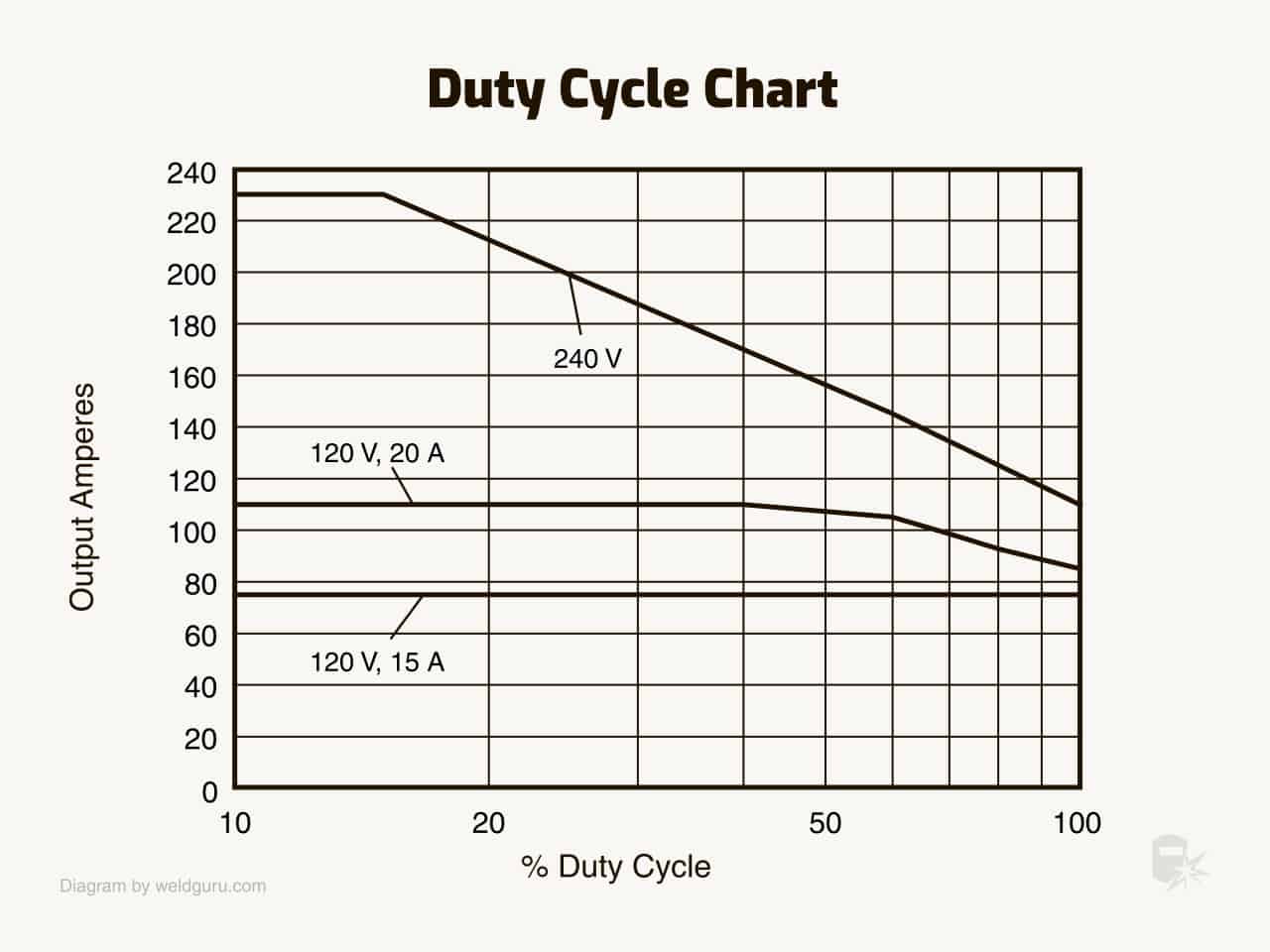
Duty Cycle: How Long Can It Work Before Overheating?
Duty cycle indicates how long a machine can weld continuously at a given amperage before requiring cooldown:
- 20% duty cycle at 150 amps: Can weld for 2 minutes, then needs 8 minutes to cool
- 60% duty cycle at 150 amps: Can weld for 6 minutes, then needs 4 minutes to cool
- 100% duty cycle: Can weld continuously at that amperage
For professional use, aim for at least 60% duty cycle at your typical working amperage. Hobbyists might get by with lower duty cycles since they weld less continuously.
Matching Machine Features to Your Workspace
Your physical workspace and power availability significantly impact which machines will work for you. Many beginners overlook these practical constraints until after purchase, leading to frustration and additional expenses.
Power Requirements: What Your Electrical System Can Handle
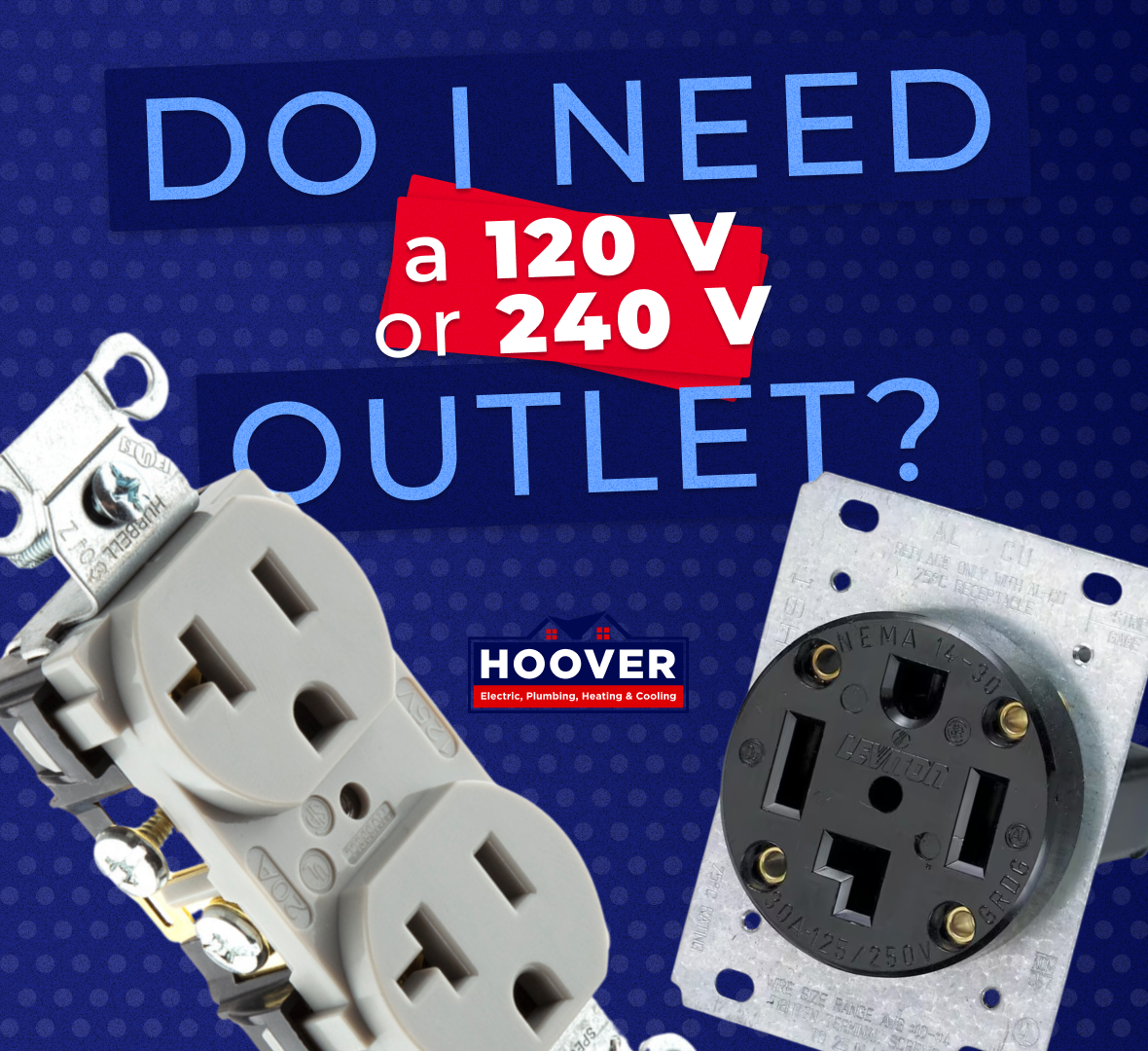
Welding machines have specific electrical needs that must match your available power:
- 120V machines: Plug into standard household outlets, typically limited to 140 amps
- 240V machines: Require special circuit installation, support higher amperage
- Generator-compatible: Important for field work or remote locations
Check your electrical panel before purchasing. Upgrading from 120V to 240V service adds significant cost. If you plan to use the machine in multiple locations, consider portability and power requirements carefully.
Physical Size and Portability Considerations
Workspace constraints often determine what machines you can practically use:
- Compact units: Ideal for home garages or mobile technicians
- Stationary industrial machines: Better for dedicated workshops with permanent setup
- Weight considerations: Machines over 60 pounds become difficult to move frequently
Measure your workspace and consider how often you’ll need to move the machine. Some “portable” machines still weigh 40-50 pounds and require a dolly for transport.
Budget Planning Without Sacrificing Essential Features
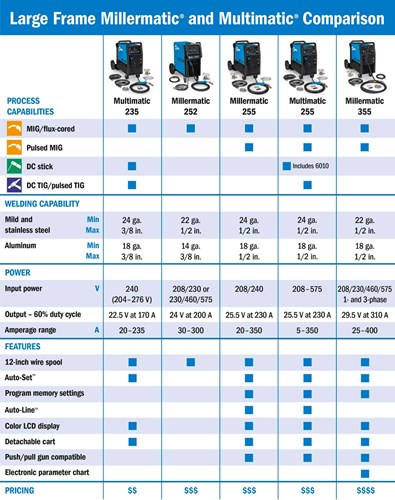
Welding machines range from under $200 to several thousand dollars. Understanding where to invest and where to save prevents both underspending (leading to inadequate equipment) and overspending (on unnecessary features).
Price Ranges and What to Expect at Each Level
- Under $300: Basic MIG machines for occasional light work on thin metals
- $300-$600: Better quality MIG machines with improved duty cycles
- $600-$1,200: Multi-process machines or high-quality single-process units
- $1,200+: Professional-grade equipment with advanced features
Avoid the temptation of extremely cheap machines from unknown brands. They often lack safety certifications, have poor build quality, and fail prematurely. Investing in a reputable brand typically pays off in reliability and longevity.
Essential Accessories Often Overlooked in Budgeting
Remember to factor in necessary accessories that add to the total cost:
- Welding helmet (auto-darkening recommended)
- Safety gear: Gloves, apron, jacket
- Gas regulators and cylinders (for MIG/TIG)
- Extra tips, nozzles, and contact tubes
- Ground clamp and work cable
These accessories can add 25-50% to your initial investment but are essential for safe, effective operation.
Making Your Final Decision: A Practical Comparison Framework
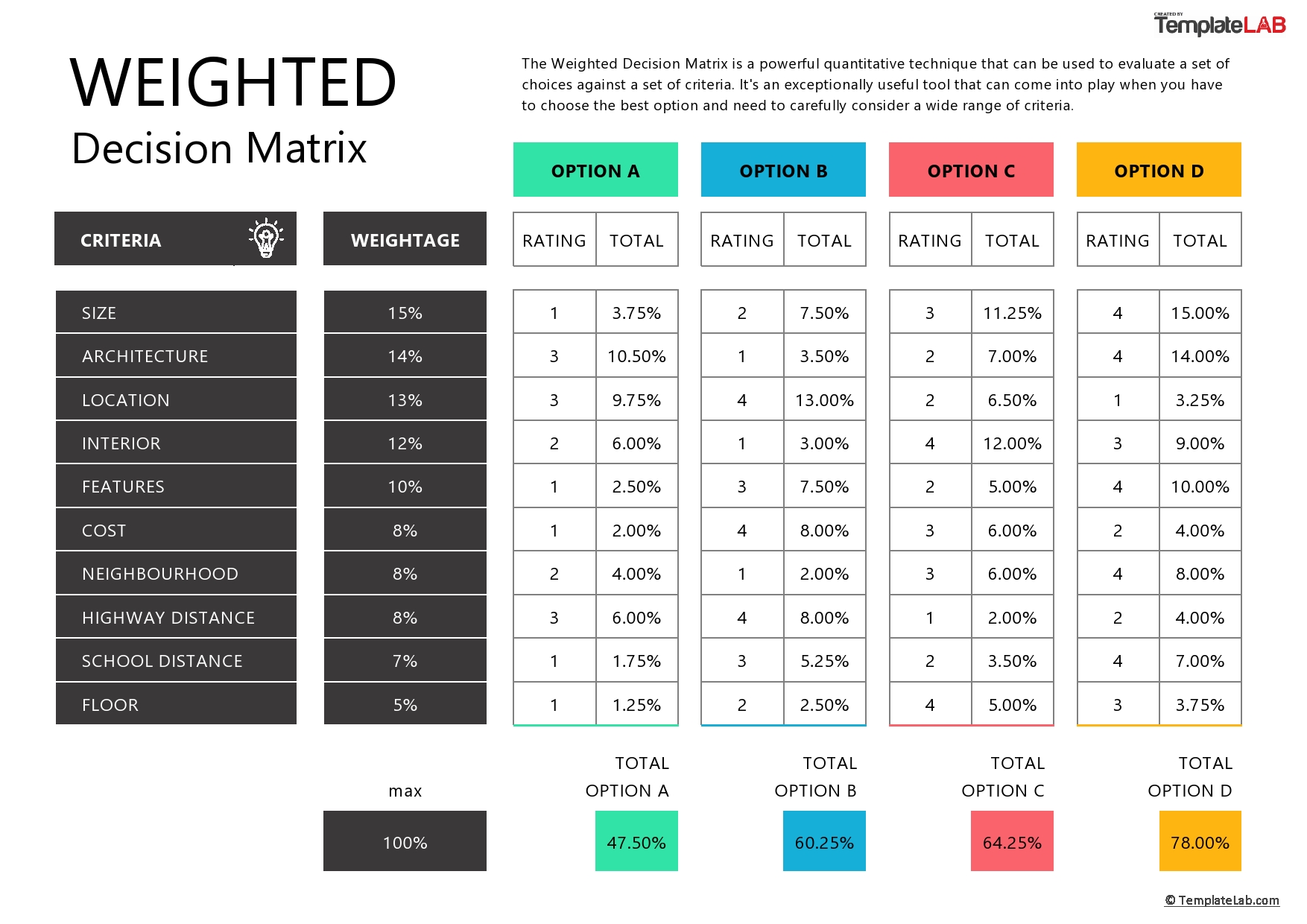
With all factors considered, how do you actually choose between specific models? This systematic approach eliminates guesswork and ensures you select the best machine for your unique situation.
Create a Decision Matrix for Objective Comparison
List your top 3-5 priorities (e.g., material thickness, portability, budget) and rate each machine on these criteria:
| Feature | Machine A | Machine B | Machine C |
|---|---|---|---|
| Max thickness | 3/16″ | 1/4″ | 3/8″ |
| Duty cycle @ 150A | 30% | 60% | 100% |
| Portability | ★★★☆☆ | ★★☆☆☆ | ★☆☆☆☆ |
| Total cost with accessories | $450 | $750 | $1,200 |
This visual comparison prevents marketing from overshadowing your actual needs.
Where to Buy: Avoiding Common Purchasing Mistakes
- Avoid impulse buys based solely on price
- Check return policies before purchasing
- Consider local dealers for hands-on testing and service support
- Read recent user reviews focusing on long-term reliability
Buying from a reputable dealer who offers technical support is often worth a slightly higher price, especially for beginners who may need assistance setting up and troubleshooting.
Maintaining Your Investment for Long-Term Value
Your welding machine represents a significant investment that will pay dividends when properly maintained. Simple maintenance practices dramatically extend equipment life and performance.
Essential Routine Maintenance Tasks
- Clean interior of dust and metal particles every 3 months
- Check connections for tightness and corrosion monthly
- Replace contact tips when worn or damaged
- Inspect gas hoses for leaks and cracks
- Store properly in dry conditions when not in use
Following these basic maintenance steps prevents most common failures and keeps your machine performing at its best. Many warranty claims are denied due to poor maintenance practices.
Selecting the right welding machine requires careful consideration of your specific needs rather than chasing the most powerful or feature-rich model. By focusing on your actual welding requirements, workspace constraints, and budget realities, you’ll find equipment that delivers consistent results without breaking the bank. Remember that the best machine is the one that perfectly matches your specific applications—not the one with the highest specifications on paper. With the right equipment in your workshop, you’ll spend less time fighting your tools and more time creating quality welds.
Leave a Reply