
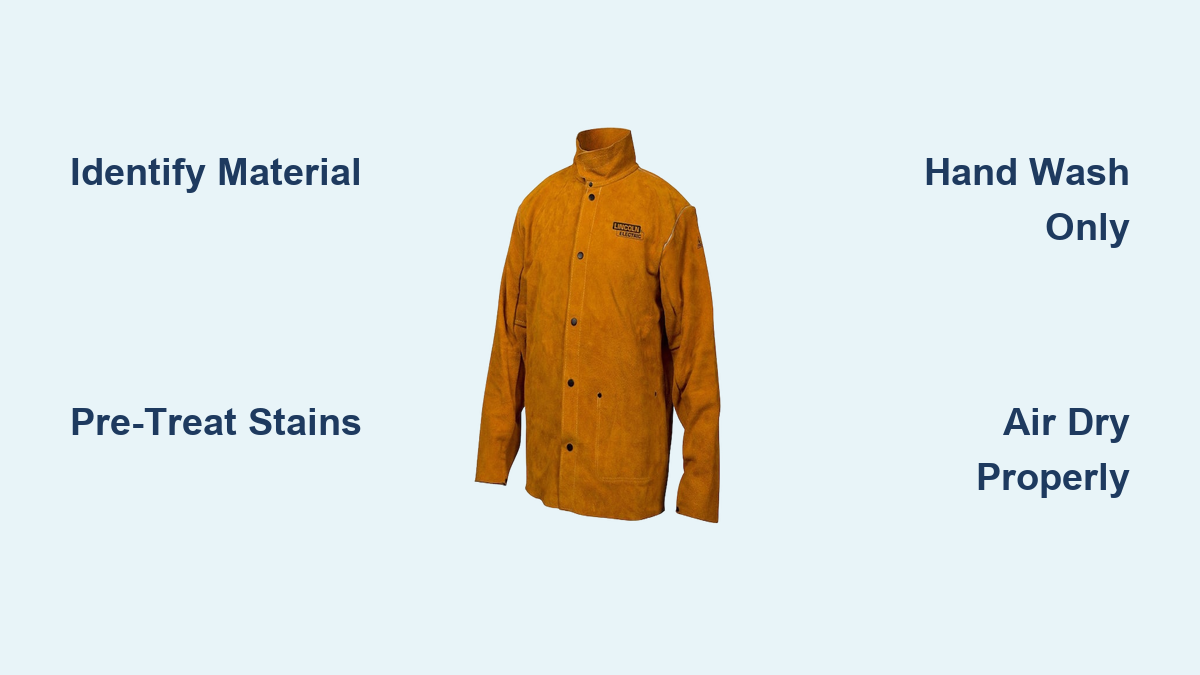
Your welding jacket is your first line of defense against sparks, spatter, and intense heat. After countless hours on the job, it’s bound to get dirty—but knowing how to clean a welding jacket properly is just as important as knowing how to weld. Improper cleaning can damage flame-resistant treatments, compromise protective fibers, and ultimately put your safety at risk. Whether your jacket is made from premium leather, durable flame-resistant cotton, or advanced aramid blends, this guide will walk you through safe and effective cleaning methods that preserve both the appearance and protective properties of your gear.
Regular maintenance not only extends the life of your welding jacket but also ensures it continues to provide the protection you depend on. A buildup of flammable residues like grease, oil, and metal shavings can turn your protective gear into a hazard. By establishing a proper cleaning routine, you’ll keep your jacket performing at its best while projecting a professional image on any job site.
Identify Your Jacket’s Material Before Cleaning

Your first critical step is determining exactly what your welding jacket is made from, as each material requires specific cleaning approaches that directly impact safety and longevity. This identification process takes just minutes but prevents costly mistakes that could compromise your protective gear.
Leather welding jackets demand special attention due to their natural fiber composition. These jackets develop a protective patina over time but become vulnerable to drying and cracking when exposed to improper cleaning methods. The leather’s porous nature means it readily absorbs contaminants but also requires conditioning after cleaning to maintain flexibility. If you’re working with full-grain or top-grain leather—the most common professional welding varieties—you’ll need leather-specific cleaners that won’t strip natural oils.
Flame-resistant cotton jackets present different challenges. These lightweight, breathable options rely on chemical treatments for their protective properties, and these treatments degrade with exposure to harsh detergents, bleach, or high heat. Many welders mistakenly treat FR cotton like regular workwear, only to discover later that their “clean” jacket no longer provides adequate flame resistance. The visual appearance of these jackets can be deceiving—what looks clean may have lost critical protective properties.
Synthetic blend jackets containing aramid fibers like Nomex require the most delicate handling. These advanced materials maintain flame resistance through their molecular structure rather than surface treatments, but they’re highly sensitive to heat and certain chemicals. High washing temperatures can permanently alter the fiber structure, while improper detergents can leave residues that attract flammable contaminants.
Always check manufacturer tags before proceeding—many welding jacket producers include specific care instructions that override general guidelines. When documentation is unavailable, contact the manufacturer directly rather than risking damage to your protective gear.
Pre-Cleaning Preparation: Essential Steps You Can’t Skip
Rushing into cleaning without proper preparation risks embedding contaminants deeper into fibers or causing irreversible damage to protective treatments. Taking just 10-15 minutes for proper preparation significantly improves cleaning results while preserving your jacket’s integrity.
Thoroughly remove loose debris by shaking your jacket vigorously outdoors. Use a stiff-bristled brush to dislodge metal shavings, slag particles, and dust from seams, pockets, and zippers. This critical step prevents abrasive particles from acting like sandpaper during washing, which would accelerate fabric wear. Pay special attention to the collar, cuffs, and areas around welding gloves where debris accumulates most heavily.
Pre-treat stubborn stains using a solution of mild dish soap and lukewarm water. Apply directly to grease spots, oil stains, or heavy spatter areas, then gently work the solution into the fabric with a soft brush. Allow it to penetrate for 5-10 minutes—this dwell time breaks down contaminants without aggressive scrubbing that could damage protective fibers. Never use commercial stain removers unless specifically approved for welding gear.
Conduct a damage inspection while handling your jacket during preparation. Look for burns, holes, thinning areas, or compromised seams that might require repair before cleaning. Check zippers and closures for damage, as attempting to clean a jacket with significant structural issues could worsen the problem. Document any concerns to address after cleaning.
Empty all pockets completely and secure closures. Remove any welding tools, gloves, or other items that may have been stored inside. Close all zippers and snaps to prevent snagging during cleaning and to ensure water circulates properly around all surfaces.
Hand Washing: The Safest Cleaning Method for Most Jackets
Hand washing provides the greatest control over the cleaning process, making it the preferred method for nearly all welding jackets regardless of material. This gentle approach preserves protective treatments while effectively removing contaminants when performed correctly.
Fill a clean basin or utility sink with lukewarm water—never hot water, which can set stains and degrade protective properties. The ideal temperature should feel comfortable to the touch, similar to bath water. Add a small amount of mild detergent specifically formulated for technical fabrics or flame-resistant clothing. Standard laundry detergents contain additives that strip protective treatments, so invest in FR-specific cleaning products.
Submerge your jacket completely and gently agitate by pressing it up and down in the water. Avoid twisting or wringing, which stretches fibers and damages the garment’s shape. For stubborn areas, use gentle circular motions with your fingers or a soft brush, focusing on high-contamination zones like the chest and arms. Allow heavily soiled jackets to soak for 15-30 minutes—this dwell time breaks down contaminants without mechanical stress.
Rinse thoroughly with clean water until all soap residue is removed. Residual detergent attracts dirt and can cause skin irritation when worn. Gently squeeze out excess water without wringing, and never use a washing machine’s spin cycle, which can distort the jacket’s shape and damage protective layers.
Machine Washing: When and How to Do It Safely
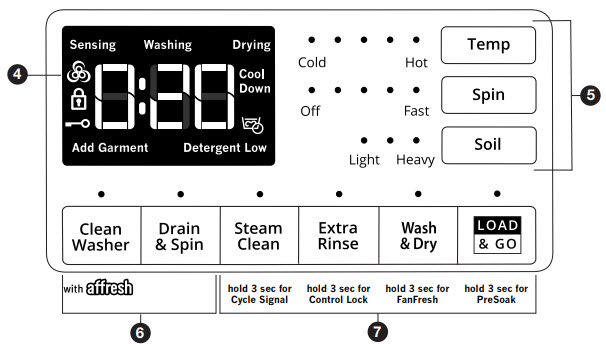
While hand washing is generally preferred, some heavy-duty leather or canvas welding jackets can withstand machine washing with proper precautions—only when the care label explicitly permits it.
Use a front-loading washing machine if available, as top-loading machines with agitators create excessive mechanical stress on protective gear. Select the gentle or delicate cycle with cold water only—never hot water, which combined with machine agitation can cause significant damage to flame-resistant treatments.
Choose a technical fabric detergent without bleach, enzymes, or fabric softeners, which break down protective treatments. Use significantly less detergent than for regular laundry—about one-quarter the normal amount. Over-sudsing can leave residues that compromise flame resistance.
After the wash cycle completes, immediately remove your jacket to prevent wrinkles and mildew development. Reshape it while damp, gently pulling it into its original form. Never put a welding jacket in the dryer—air drying is the only safe method regardless of cleaning technique.
Proper Drying Techniques for Maximum Protection
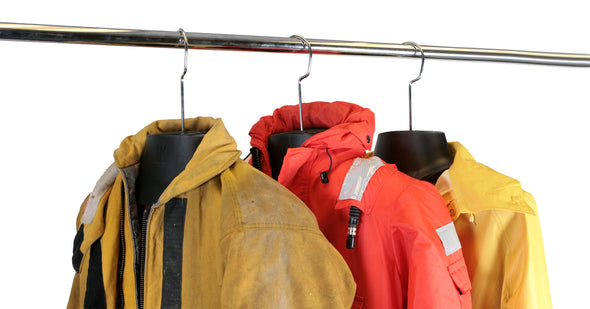
How you dry your welding jacket directly impacts its longevity and protective capabilities. Improper drying methods can undo all the benefits of careful washing and significantly reduce your gear’s effectiveness.
Air drying is mandatory for all welding jackets. Hang your jacket in a well-ventilated area away from direct sunlight and heat sources. Direct sun fades colors and dries out leather, while heat sources like radiators or dryers can shrink materials and degrade protective treatments. Use a sturdy hanger that supports the jacket’s full weight without distorting shoulders.
For leather jackets, stuff arms and body with clean white paper or cloths while drying to maintain shape. Once mostly dry, apply a quality leather conditioner to restore moisture and flexibility. Allow full absorption before wearing or storing.
Ensure complete drying before storage or reuse—a damp jacket can develop mildew that degrades fibers and creates health hazards. Drying time varies from several hours to overnight depending on thickness. Test multiple areas for moisture before considering the drying process complete.
Maintaining Flame Resistance Through Proper Care
Your welding jacket’s protective capabilities depend on the integrity of its flame-resistant properties. Understanding how to preserve these features is critical for ongoing safety.
Flame-resistant cotton jackets rely on chemical treatments that degrade with improper care. Avoid high heat, harsh chemicals, and bleach at all costs. Use only FR-specific detergents, as standard products gradually diminish protective treatments. Some experts recommend periodic re-treatment, though professional services often provide more reliable results.
Aramid fiber jackets (Nomex, Kevlar) maintain inherent flame resistance through their molecular structure rather than surface treatments. While their protective qualities don’t wash out, the materials themselves can still be damaged by heat, chemicals, and physical wear. Regular inspections for thinning fibers or compromised areas are essential.
Never store a welding jacket while contaminated with flammable substances. Even if it appears clean, residues from oils and greases can compromise safety. Always clean before storage, and keep your jacket in a clean, dry area away from direct sunlight and extreme temperatures.
When Professional Cleaning Becomes Necessary
For heavily soiled jackets, significant damage, or when you’re uncertain about proper care methods, professional assistance may be your best option. Specialized cleaners understand the unique requirements of protective welding gear.
Seek cleaners who specifically mention welding jackets or FR clothing in their services—general dry cleaners often lack the expertise to preserve protective properties. Professional repair services can address damaged zippers, torn seams, and small holes that might otherwise require replacement.
Consider professional services when dealing with heavy oil or grease buildup that home cleaning can’t address, when the care label recommends professional cleaning, or when you notice damage that might be repairable. The cost of professional care is minimal compared to replacing quality protective gear—and insignificant compared to the potential cost of injury from compromised equipment.
Know When to Replace Your Welding Jacket
Even with excellent care, welding jackets eventually reach a point where they can no longer provide adequate protection. Recognizing replacement indicators is essential for ongoing safety.
Replace your jacket immediately if you notice burns, holes, or significant thinning—even small compromises allow heat and sparks to reach your skin. Any area that has become brittle, hard, or changed in texture requires replacement. Failed seams or malfunctioning zippers also compromise protective integrity.
For flame-resistant cotton jackets, track wash cycles and age. FR treatments degrade over time and use—even without visible damage, an older jacket may no longer provide adequate protection. When in doubt, err on the side of caution and replace your gear.
Professional welders should generally replace primary welding jackets every two to three years with regular use, though this varies based on frequency of use and maintenance quality. Your safety depends on intact protective gear—never compromise on this critical equipment.
Leave a Reply