
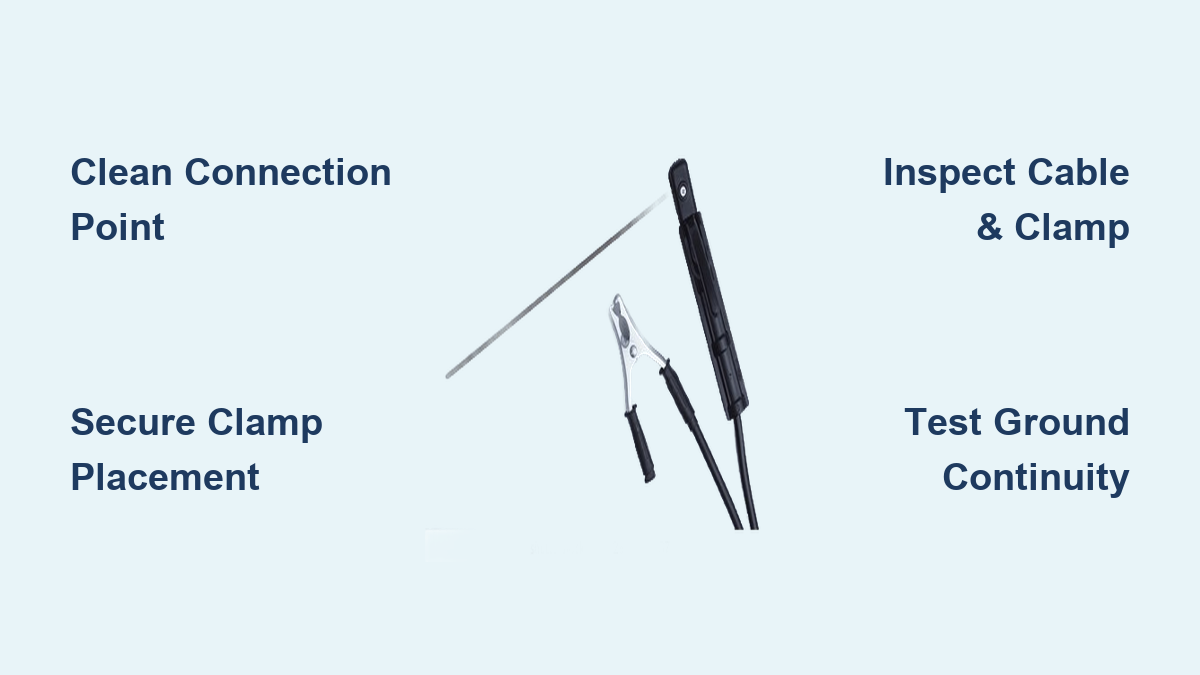
When your welding arc sputters or your weld beads look inconsistent, the problem often traces back to one critical factor: improper grounding. Your ground connection completes the electrical circuit that powers your welding arc, and without a solid, secure ground, you’ll face frustrating arc instability, excessive spatter, and poor weld penetration. Whether you’re working with a MIG welder in your garage or stick welding on a construction site, mastering how to ground when welding correctly transforms frustrating sessions into smooth, professional results. This guide delivers practical, actionable techniques to establish perfect grounds for any welding application—no more guessing, no more inconsistent arcs.
Choose the Right Ground Clamp and Cable for Your Welder
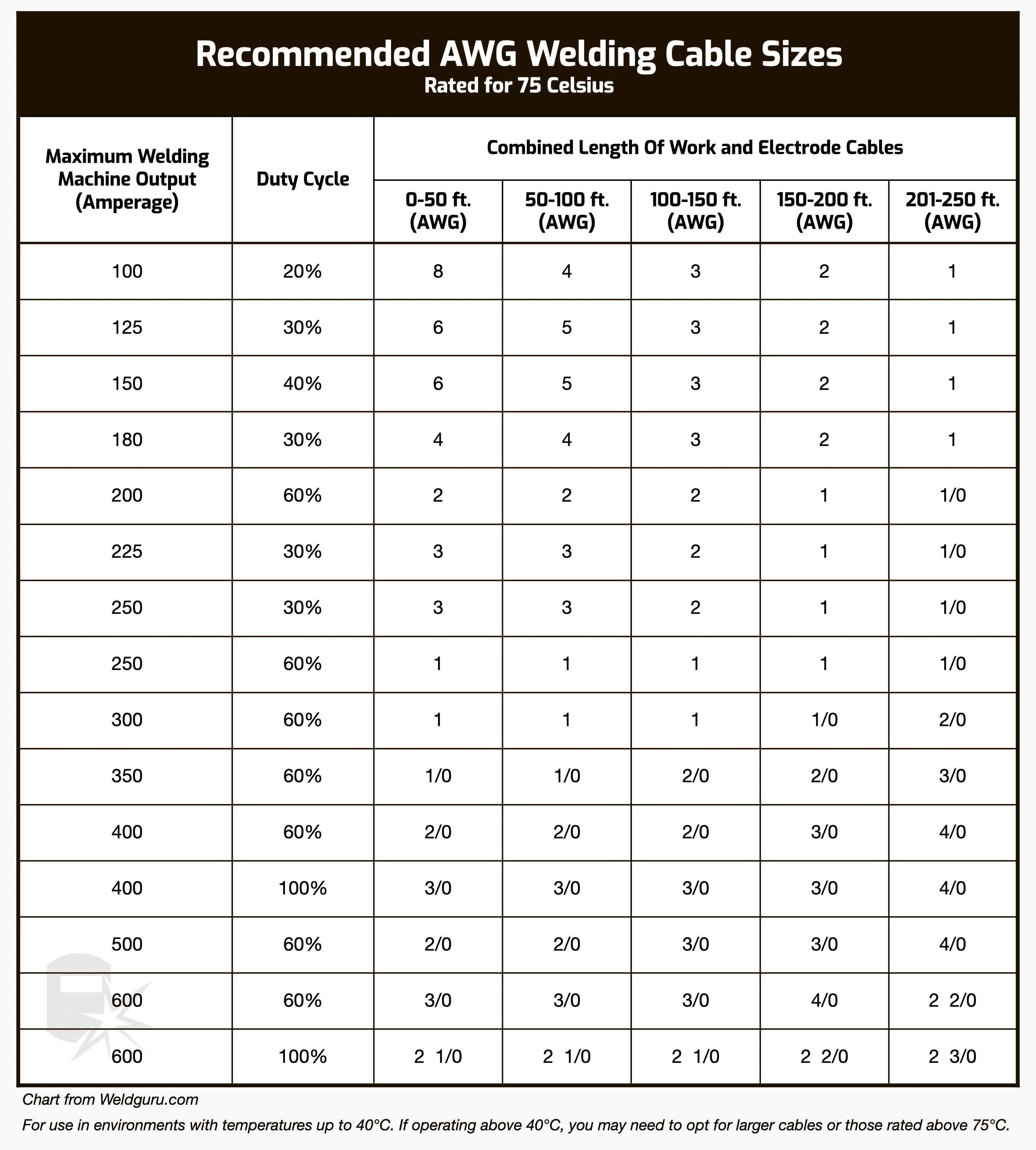
Your ground clamp and cable must match your welding machine’s capacity to handle the electrical current efficiently. For most hobbyist and light commercial welders operating up to 200 amps, a 4-gauge cable provides adequate current flow without excessive voltage drop. Higher-amperage applications demand thicker cables—typically 2-gauge or 1/0—to prevent overheating and maintain consistent arc performance. Always match your ground cable size to your electrode holder cable to ensure balanced electrical capacity throughout your welding circuit.
Identify the Best Clamp Type for Your Application
C-clamps deliver superior clamping force for heavy-duty applications on thick materials, resisting heat buildup during extended welding sessions. Their robust design makes them ideal for shop environments where you’re working with substantial steel sections. Vise-Grip style clamps feature a trigger mechanism that allows rapid attachment and removal, perfect for production environments where you move frequently between workpieces. Magnetic clamps offer lightning-fast setup on ferrous metals but may struggle with high-amperage applications—reserve these for light-duty work where speed matters more than maximum current capacity.
Inspect and Maintain Your Grounding Equipment Regularly
Before each welding session, examine your ground clamp and cable for telltale signs of wear. Cracked insulation, frayed wires, and corroded connection points create dangerous resistance in your welding circuit. Pay special attention to the clamp’s contact surfaces—pitting or burns from previous use significantly reduce conductivity. Replace damaged components immediately; attempting to weld with compromised grounding equipment leads to inconsistent results and creates potential safety hazards. A well-maintained ground clamp should grip firmly with both jaws making full contact on clean metal surfaces.
Prepare the Workpiece Connection Point for Maximum Conductivity
The surface where your ground clamp attaches must be completely free of contaminants that block electrical flow. Paint, rust, oil, scale, and even light oxidation create resistance that destabilizes your welding arc and reduces penetration. Before clamping, use an angle grinder with a flap disc or a wire brush to expose bare, shiny metal at the connection point. This simple preparation step makes the difference between a stable arc and frustrating sputtering.
Position the Clamp for Optimal Current Flow
For most flat welding applications, attach the ground clamp to the same plane as your weld, positioned upstream from your travel direction. This placement ensures current flows through base metal rather than freshly deposited weld metal, preventing potential hydrogen cracking in high-strength steels. On vertical welds, position the clamp at the bottom of the workpiece to maintain consistent current return regardless of your travel direction. When working with thin materials (under 1/8 inch), move the clamp several inches away from your weld zone to prevent burn-through from concentrated heat return.
Handle Special Material Challenges Effectively
Welding painted or coated material requires extra attention to both your weld area and ground connection point. Remove coatings from both locations—any non-conductive layer between clamp and metal introduces resistance that generates heat at the connection point. For weathered or corroded metal, you may need aggressive cleaning with a grinding wheel to reach sound base metal. On pipe welding applications, clamp directly to the pipe rather than to a fixture or workbench to ensure consistent current flow throughout the 360-degree weld.
Troubleshoot Common Grounding Problems Quickly

When your arc behaves erratically, start troubleshooting by moving your ground clamp to a fresh, clean location on the workpiece. If arc stability improves immediately, your original connection point had excessive resistance from contamination or poor contact. This simple test confirms whether the problem lies in your ground connection rather than your welding machine or consumables.
Diagnose Persistent Grounding Issues Systematically
If relocating the clamp doesn’t resolve the problem, perform these checks in order:
- Inspect the clamp jaws for burns, pitting, or debris—clean with a wire brush or replace if damaged
- Examine the entire cable length for soft spots indicating internal wire damage
- Check both connection points (clamp-to-workpiece and cable-to-machine) for loose hardware or corrosion
- Test continuity with a multimeter if problems persist, checking for breaks in the circuit
Never ignore minor grounding issues—what starts as slight arc instability can quickly escalate to complete circuit failure during critical weld passes. The time invested in proper grounding before welding always pays dividends in weld quality and efficiency.
Optimize Grounding for Specific Welding Processes
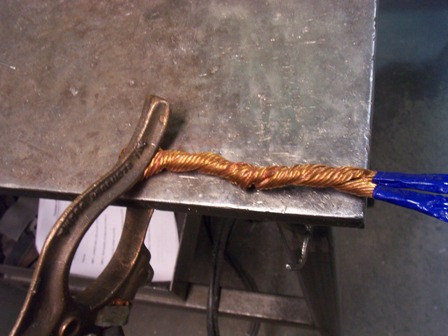
MIG welding demands the most rigorous grounding practices because its constant voltage power source reacts immediately to circuit resistance. Position your ground clamp on clean, thick material as close to the weld area as practical—typically within 12 inches for optimal results. For thin sheet metal work, consider using a copper backing plate under the workpiece to improve current distribution and prevent burn-through from concentrated heat.
Adapt Grounding Techniques for Different Processes
TIG welding tolerates slightly more ground resistance than MIG due to its constant current output, but still requires clean connection surfaces since lower amperage settings magnify the effects of resistance. Stick welding handles ground resistance better thanks to its forgiving characteristics, but poor grounds still cause frustrating arc outages. Flux-cored wire welding follows similar grounding principles to MIG welding—maintain short, direct connections to the workpiece for consistent results regardless of shielding method.
Special Applications Require Special Grounding Approaches
For robotic or automated welding systems, implement rotary ground connections that accommodate continuous movement without cable fatigue. Thick-plate welding benefits from multiple ground points distributed around the workpiece to minimize voltage drop through the metal. Pipe welding in field conditions requires direct connection to clean pipe surfaces rather than relying on earth grounds, which introduce variable resistance depending on soil conditions. When welding aluminum, ensure extra-clean connection points as aluminum oxide forms rapidly and creates significant resistance.
Maintain Safety Through Proper Grounding Practices
A solid ground connection serves dual purposes: completing your welding circuit and providing a safe path for fault current. Before striking your first arc, verify all electrical connections are secure, dry, and protected from water exposure. Loose terminals or damaged cables create serious shock hazards in addition to causing poor weld quality. When working in damp conditions, elevate ground connections above standing water and consider using ground fault circuit interrupters for added protection.
Implement Critical Safety Precautions
Never bypass safety features on your welding equipment—even if they cause “nuisance trips.” These devices protect against potentially fatal electrical faults. Maintain awareness of your body position relative to the welding circuit: avoid resting hands on the workpiece while welding and never kneel directly on conductive surfaces. Wear appropriate personal protective equipment including dry insulation such as rubber-soled shoes and dry leather gloves. These precautions reduce shock risk even when your grounding practices are perfect.
Prevent Costly Mistakes with Smart Grounding Habits
One of the most common and costly grounding mistakes involves clamping through bolts, rivets, or other fasteners rather than directly to base metal. These connections develop resistance over time from vibration and corrosion, causing inconsistent arcs that lead to weld defects and expensive rework. Always clamp directly to the material you’re welding whenever possible.
Avoid These Grounding Pitfalls
- Grounding through welding tables with rusty or painted surfaces creates variable resistance
- Using damaged or undersized cables causes voltage drop and overheating
- Neglecting ground connection during tacking produces the same instability as full welds
- Allowing spatter buildup on clamp jaws progressively degrades connection quality
After each welding session, take 30 seconds to wipe down your ground clamp and inspect it for damage. Periodically disassemble the clamp for thorough cleaning, checking spring tension and applying dielectric grease to moving parts. This minimal maintenance prevents unexpected failures during critical welding jobs and extends your equipment’s service life.
Mastering how to ground when welding properly transforms frustrating welding sessions into smooth, professional results. By selecting the right equipment, preparing connection points thoroughly, positioning clamps strategically, and maintaining your grounding system, you’ll achieve consistent arcs and high-quality welds every time. The few extra minutes spent establishing perfect grounds before welding saves significant time correcting defects later. Implement these techniques on your next project and experience the difference that proper grounding makes in your welding results—stable arcs, clean beads, and professional-quality welds become your new standard.
Leave a Reply