
Welding produces invisible but dangerous fumes that can cause serious long-term health problems when inhaled regularly. Whether you work in a manufacturing facility, automotive shop, or do fabrication at home, understanding how to prevent inhaling welding fumes is essential for protecting your respiratory system and overall health. These microscopic particles contain metals, oxides, and toxic compounds that penetrate deep into your lungs and bloodstream, potentially causing neurological damage, respiratory disease, and even cancer. The good news is that multiple effective strategies exist to minimize exposure, from industrial ventilation systems to proper respiratory protection. This guide covers everything you need to know about creating a comprehensive protection program that keeps dangerous fumes out of your breathing zone.
The methods for preventing inhalation fall into four main categories: engineering controls that capture fumes at the source, administrative controls that change how work is performed, respiratory protection that filters the air you breathe, and monitoring systems that verify your protection is working. No single approach provides complete protection in every situation, which is why effective prevention programs layer multiple strategies together. By understanding each approach and implementing them systematically, you can dramatically reduce your exposure to harmful welding fumes.
Local Exhaust Ventilation for Immediate Fume Capture
/Webinars/Fume%20Extraction/Weld-Fume-Source-Capture-Graphic.jpg?width=600&name=Weld-Fume-Source-Capture-Graphic.jpg)
When you’re welding, local exhaust ventilation (LEV) is your first and most effective line of defense against inhaling welding fumes. Unlike general ventilation that merely dilutes contaminants, LEV captures fumes right at the source before they can reach your breathing zone. Properly designed LEV systems can remove up to 95% of welding fumes before they disperse, making them far more effective than relying solely on respiratory protection.
Choosing the Right Hood Design for Your Welding Process
The specific hood design you select depends on your welding application and workspace constraints. Low-volume high-velocity systems use small hoods positioned within 6-12 inches of the weld zone and work best for stationary welding operations like bench work. High-volume low-velocity systems employ larger hoods placed 18-24 inches away and are more forgiving when you need to move around during welding. Fume extraction guns integrate directly with your welding torch, capturing fumes immediately as they rise from the weld pool—this is particularly effective for MIG and TIG welding where precision matters.
Pro Tip: When welding stainless steel, which produces hazardous chromium fumes, position your hood to capture fumes within 6 inches of the arc. This close proximity is critical because hexavalent chromium forms rapidly when stainless steel heats up.
Optimizing Ductwork and Airflow for Maximum Effectiveness
Your ventilation system’s performance depends heavily on properly designed ductwork and adequate airflow. Ducts should maintain a minimum velocity of 2,500 feet per minute to prevent particles from settling inside, with larger diameter ducts required for longer runs. Critical factors for optimal performance include:
- Gradual bends instead of sharp 90-degree turns
- Airtight connections to prevent leaks
- Correct duct sizing based on the number of hoods
- Regular inspection for blockages and corrosion
Warning: If you notice reduced airflow or increased breathing resistance while welding, stop immediately and inspect your system. Even small leaks can compromise protection by allowing fumes to escape into your breathing zone.
Selecting and Using the Right Respiratory Protection

When engineering controls can’t reduce exposures to safe levels, respiratory protection becomes your critical safety net. For most welding applications, the right respirator can filter out 95-99.97% of harmful particles, but only if you select, fit, and maintain it properly.
Matching Respirator Type to Your Specific Welding Hazards
Your choice of respirator depends on the metals you’re welding and their toxicity:
- N95 disposable respirators: Suitable for occasional mild steel welding with good ventilation
- Half-mask elastomeric respirators with P100 filters: Recommended for regular steel welding and most stainless steel applications
- Powered air-purifying respirators (PAPRs): Essential for heavy stainless steel welding where hexavalent chromium exposure is a concern
- Supplied air systems: Required for confined space welding or when working with highly toxic metals like cadmium
Expert Note: If you’re welding galvanized steel, which produces zinc oxide fumes that cause metal fume fever, never rely on an N95 mask alone. Use at least a half-mask elastomeric respirator with P100 filters, and better yet, remove the zinc coating from the weld area first.
Ensuring Proper Fit Through Testing and Daily Checks
A respirator that doesn’t seal properly provides almost no protection, no matter how high its filtration rating. Follow these critical steps:
- Get professionally fit tested annually using either qualitative (taste/smell-based) or quantitative (instrument-measured) methods
- Perform a user seal check every time you put on your respirator by covering filter openings and inhaling to detect leaks
- Never wear facial hair that crosses the seal line—this includes stubble
- Replace respirators if they show signs of wear, distortion, or damage
Pro Tip: Store your respirator in a clean, rigid container when not in use to prevent deformation of the seal. A misshapen seal is the most common cause of protection failure.
Smart Work Practices That Reduce Fume Exposure
Your welding technique and work habits significantly impact how many fumes you inhale. These simple adjustments require no additional equipment but can dramatically lower your exposure.
Positioning Techniques to Stay Out of the Fume Plume
Where you place your head relative to the welding arc makes a huge difference in your exposure. Implement these positioning strategies:
- Always keep your head to the side of rising fumes, never directly above the weld
- Angle your body so the natural airflow carries fumes away from you
- Raise or lower your workpiece to maintain optimal head position
- For overhead welding, use a fume extractor positioned below the work
Warning: If you can smell welding fumes, your exposure is already dangerous—even if you don’t feel immediate symptoms. Stop and reassess your protection immediately.
Material and Process Selection for Lower Fume Production
Choosing the right materials and processes reduces fume generation at the source:
- Opt for solid wire instead of flux-cored wire when possible (reduces fume by 30-50%)
- Select low-fume electrodes designed specifically for reduced emissions
- Remove paints, coatings, and galvanizing from weld areas before starting
- Use TIG welding instead of stick welding when feasible (produces 40-60% less fume)
Expert Note: When welding stainless steel, use argon-rich shielding gas instead of argon-CO2 mixes. This reduces hexavalent chromium formation by up to 90%, significantly lowering cancer risk.
Essential Monitoring to Verify Your Protection Works
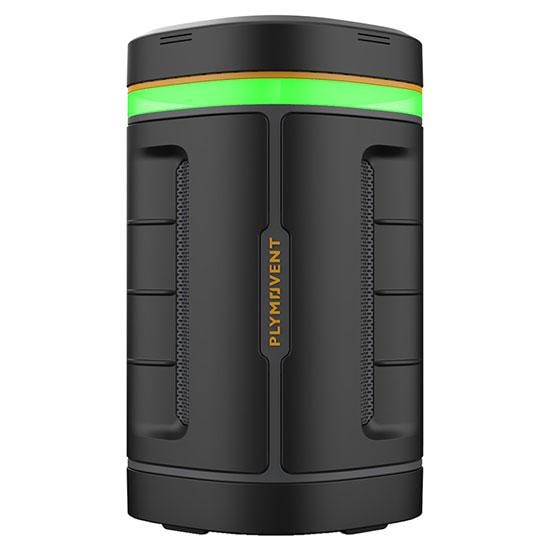
You can’t manage what you don’t measure. Regular monitoring confirms your prevention strategies are actually working and keeps you safe from invisible threats.
Recognizing When to Test Your Air Quality
Air sampling should happen in these critical situations:
- When introducing new welding processes or materials
- After making changes to ventilation systems
- When workers report symptoms like headaches or coughing
- Before starting work in new locations or confined spaces
- At least annually as part of routine safety checks
Pro Tip: Keep a photoelectric dust monitor in your workshop for real-time feedback. These handheld devices show immediate fume levels and alert you when concentrations become dangerous.
Understanding Exposure Limits for Common Welding Metals
Knowing the safe limits for different metals helps you assess risk:
- Total welding fume: 5 mg/m³ (OSHA PEL) but NIOSH recommends 1 mg/m³
- Manganese: 0.1 mg/m³ (NIOSH REL) – higher levels risk neurological damage
- Hexavalent chromium: 5 μg/m³ (OSHA PEL) – a known carcinogen
- Nickel: 1 mg/m³ (OSHA PEL) – can cause asthma and cancer
Warning: Some metals like cadmium have no safe exposure level. If you’re welding materials containing cadmium (found in some brazing alloys), you must use supplied air respirators and continuous air monitoring.
Emergency Response When Fume Exposure Occurs
Even with the best prevention, accidents happen. Knowing how to respond to fume exposure can prevent serious health consequences.
Immediate Actions for Acute Overexposure Symptoms
If you or a coworker experiences these symptoms during or after welding, act immediately:
- Metal fume fever symptoms: Chills, fever, headache, muscle aches (typically 4-8 hours after exposure)
- Acute exposure symptoms: Coughing, chest tightness, shortness of breath, eye irritation
Follow these emergency steps:
1. Move the affected person to fresh air immediately
2. Loosen tight clothing to facilitate breathing
3. If breathing has stopped, begin CPR and call emergency services
4. Keep the person warm and at rest
5. Seek medical attention even if symptoms seem mild
Expert Note: Document the exact circumstances of any exposure incident. This information helps medical professionals provide appropriate treatment and identifies weaknesses in your protection system.
Building Your Complete Welding Fume Prevention System
Preventing inhalation of welding fumes requires a layered approach that combines multiple protection strategies. Engineering controls at the source should form the foundation, with local exhaust ventilation capturing fumes before they reach your breathing zone. Administrative controls including proper work practices, material selection, and training support engineering controls by minimizing exposure duration and ensuring proper equipment use. Respiratory protection provides a barrier when other controls are insufficient or during maintenance, emergencies, or situations where exposures may unexpectedly increase. Monitoring ensures that all controls are functioning as intended and that exposures remain below acceptable limits.
Your action plan to prevent inhaling welding fumes:
- Implement engineering controls first: Install appropriate local exhaust ventilation
- Select proper respiratory protection: Based on air quality testing results
- Train on safe work practices: Including proper positioning and material handling
- Establish monitoring protocols: To verify protection effectiveness
- Create emergency procedures: For responding to overexposure incidents
No single method provides complete protection in all situations. A comprehensive program integrating all these elements provides the highest level of protection. Regular assessment of your workplace, proper equipment selection and maintenance, consistent work practices, and ongoing training create a system where multiple protections work together to keep dangerous welding fumes out of your lungs. Your health is worth the investment in building a complete protection program—implement these strategies today to ensure you can keep welding safely for years to come.
Leave a Reply