
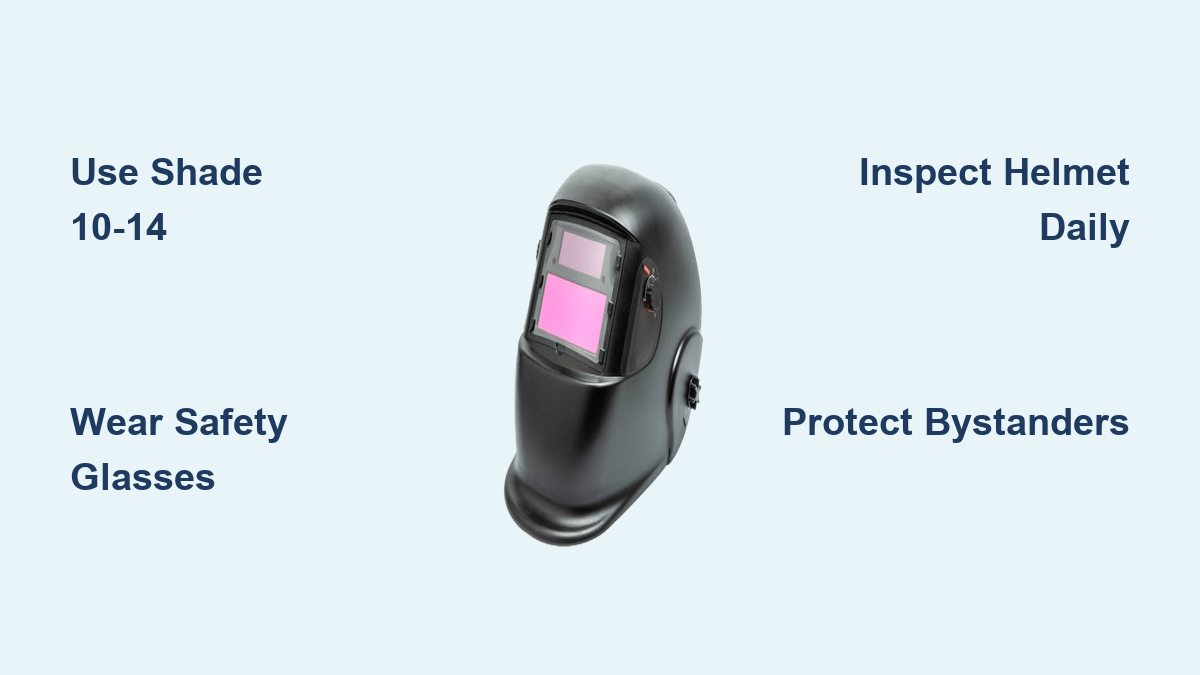
Welding exposes your eyes to dangerous ultraviolet and infrared radiation that can cause immediate pain and permanent vision damage in seconds. A single unprotected glance at a welding arc can trigger photokeratitis, commonly known as “welder’s flash,” causing severe discomfort that peaks hours after exposure. Many welders mistakenly believe brief exposure won’t harm them, but cumulative radiation damage leads to cataracts, retinal issues, and other vision problems that often manifest years later. This guide provides actionable strategies to protect your eyes during all welding operations, whether you’re a professional fabricator or occasional DIY welder working in your garage.
The consequences of inadequate eye protection extend far beyond temporary discomfort. Medical studies show welders face significantly higher rates of cataracts compared to non-welders, with damage accumulating silently over time. By implementing proper protection methods consistently, you can prevent virtually all welding-related eye injuries. Let’s explore the specific equipment, techniques, and protocols that keep your vision safe during welding operations.
Why Standard Safety Glasses Won’t Protect Against Welding Arc
Many beginners make the critical mistake of using regular safety glasses for welding operations, not realizing these offer zero protection against intense arc radiation. Standard polycarbonate safety lenses block impact hazards but provide no meaningful UV or IR filtration. The welding arc produces radiation intensities thousands of times greater than direct sunlight, requiring specialized filters designed specifically for welding applications.
How Welding Radiation Damages Eye Tissue
Ultraviolet radiation from welding arcs penetrates the cornea and causes photokeratitis through photochemical reactions that damage epithelial cells. This damage typically manifests 6-12 hours after exposure as intense pain, redness, and sensitivity to light. Infrared radiation penetrates deeper, contributing to cataract formation in the lens over time. Understanding these mechanisms explains why proper eye protection requires specific optical filters rather than standard safety eyewear.
When Regular Safety Glasses Are Necessary
While inadequate for direct arc viewing, ANSI Z87.1-rated safety glasses with side shields remain essential secondary protection worn underneath welding helmets. They shield against flying debris that might enter helmet gaps and protect during grinding operations before and after welding. Always wear safety glasses whenever you’re in a welding environment, even when not actively welding.
Selecting the Right Welding Helmet Shade for Your Process
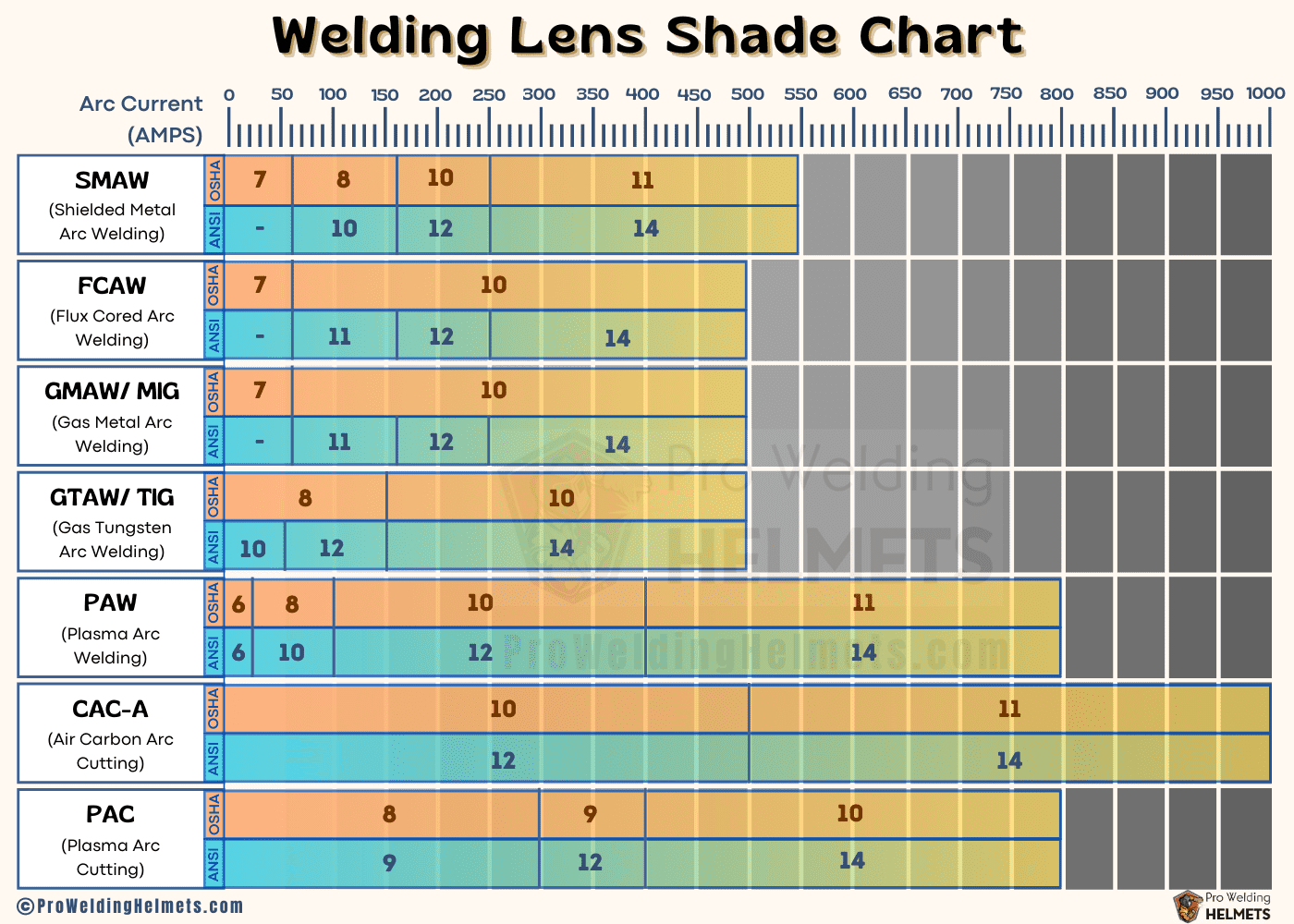
Choosing an appropriate shade number for your specific welding application represents one of the most critical protection decisions. Using too light a shade causes excessive brightness that strains your eyes and increases injury risk, while excessively dark shades hinder visibility and work quality.
Shade Requirements for Common Welding Processes
Stick welding (SMAW) at 90-150 amps requires shade 10-12, while higher amperage applications (150-250 amps) demand shade 12-14 protection. MIG welding typically operates effectively with shade 10-12 filters depending on metal thickness and amperage settings. TIG welding at lower amperages (under 100 amps) can use shade 8-10, but most professionals prefer shade 11-12 for extended comfort during precision work. Plasma cutting requires the darkest protection—shade 14-15—due to the intensely bright plasma arc.
Auto-Darkening vs. Passive Helmets: Which Suits Your Needs
Auto-darkening helmets provide immediate protection the moment you strike an arc, eliminating the dangerous moment when raising and lowering passive helmets. Premium auto-darkening filters react in 1/20,000th of a second—faster than the blink reflex—providing continuous protection during the entire welding process. Look for helmets with multiple sensors (at least 4) that maintain protection even when welding in unconventional positions. Passive helmets remain viable for occasional users on tight budgets but require strict discipline to lower before striking an arc.
Critical Secondary Protection Measures Most Welders Forget
Protecting your eyes during welding requires multiple layers of defense working together. Relying solely on your primary welding helmet creates dangerous protection gaps that frequently lead to injuries.
Why You Must Wear Safety Glasses Under Your Helmet
Even with a properly fitted welding helmet, debris can enter through ventilation gaps during grinding or chipping operations. Safety glasses provide a crucial secondary barrier against these hazards. ANSI Z87+ rated glasses with indirect ventilation offer optimal protection while preventing fogging during extended use. Many welders remove their safety glasses when donning helmets, creating dangerous exposure during helmet adjustments or brief removals.
Face Shields for Grinding and Chipping Operations
Welding helmets don’t provide adequate protection during post-weld cleanup operations. Always wear a clear face shield over your safety glasses when grinding, chipping, or wire brushing welds. These operations generate high-velocity debris that can bypass standard safety glasses, requiring the comprehensive coverage that only face shields provide.
Recognizing Early Warning Signs of Eye Damage
Welding eye injuries often develop insidiously, with symptoms appearing hours after exposure. Knowing what to watch for helps you identify problems before they become serious.
Immediate Symptoms Requiring Medical Attention
Severe eye pain that worsens over several hours, extreme light sensitivity that makes normal indoor lighting unbearable, and the sensation of having sand in your eyes all indicate potential arc eye injury. Don’t ignore these symptoms—even if vision seems normal, underlying damage may require professional treatment to prevent complications.
Long-Term Damage Indicators
Persistent dry eyes, increasing difficulty with night vision, and gradual clouding of vision may indicate cumulative radiation damage. Schedule comprehensive eye exams with an ophthalmologist familiar with welding-related eye conditions if you notice these changes. Early detection of cataracts or retinal damage allows for timely intervention that preserves vision longer.
Proper Maintenance and Inspection of Eye Protection Equipment
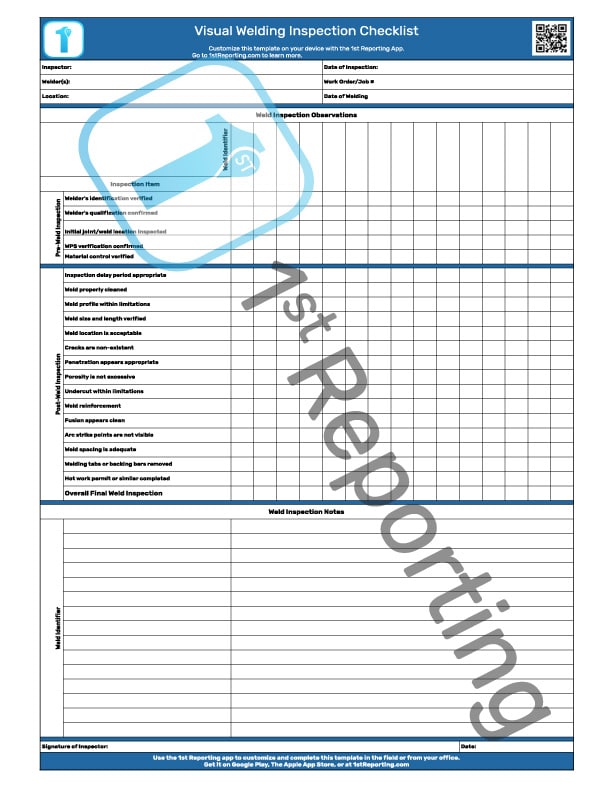
Your protective equipment only works when properly maintained. Many welders use damaged or degraded gear without realizing its protective capabilities have been compromised.
Daily Inspection Checklist Before Welding
Before each use, examine your welding helmet for cracks, holes, or warping in the shell that could allow light leakage. Check headband integrity and padding condition to ensure proper fit. Inspect auto-darkening filter sensors for obstructions and verify the external cover plate has no deep scratches that distort vision. Test the helmet’s auto-darkening function by triggering it with a non-welding light source to confirm proper operation.
When to Replace Critical Components
Replace external cover plates when they develop deep scratches that impair visibility. Internal filter plates typically last 5-10 years with regular use but should be replaced immediately if you notice yellowing, clouding, or inconsistent darkening. Auto-darkening filters with slow response times (more than 1/10,000th of a second) or inconsistent performance require replacement regardless of age. Don’t wait for complete failure—compromised protection puts your vision at risk.
Protecting Bystanders from Welding Radiation Exposure
Welding hazards extend beyond the operator to affect nearby workers. Proper protection strategies must account for everyone in the welding environment.
Minimum Protection Requirements for Nearby Personnel
Workers within 10 feet of welding operations require appropriate eye protection even if not directly involved in welding. Shade 3-5 safety glasses provide adequate protection for occasional, brief exposure during movement through welding areas. For personnel regularly working near welding operations, shade 5-8 face shields offer sufficient protection against indirect arc radiation while maintaining visibility for their tasks.
Effective Welding Curtain Implementation
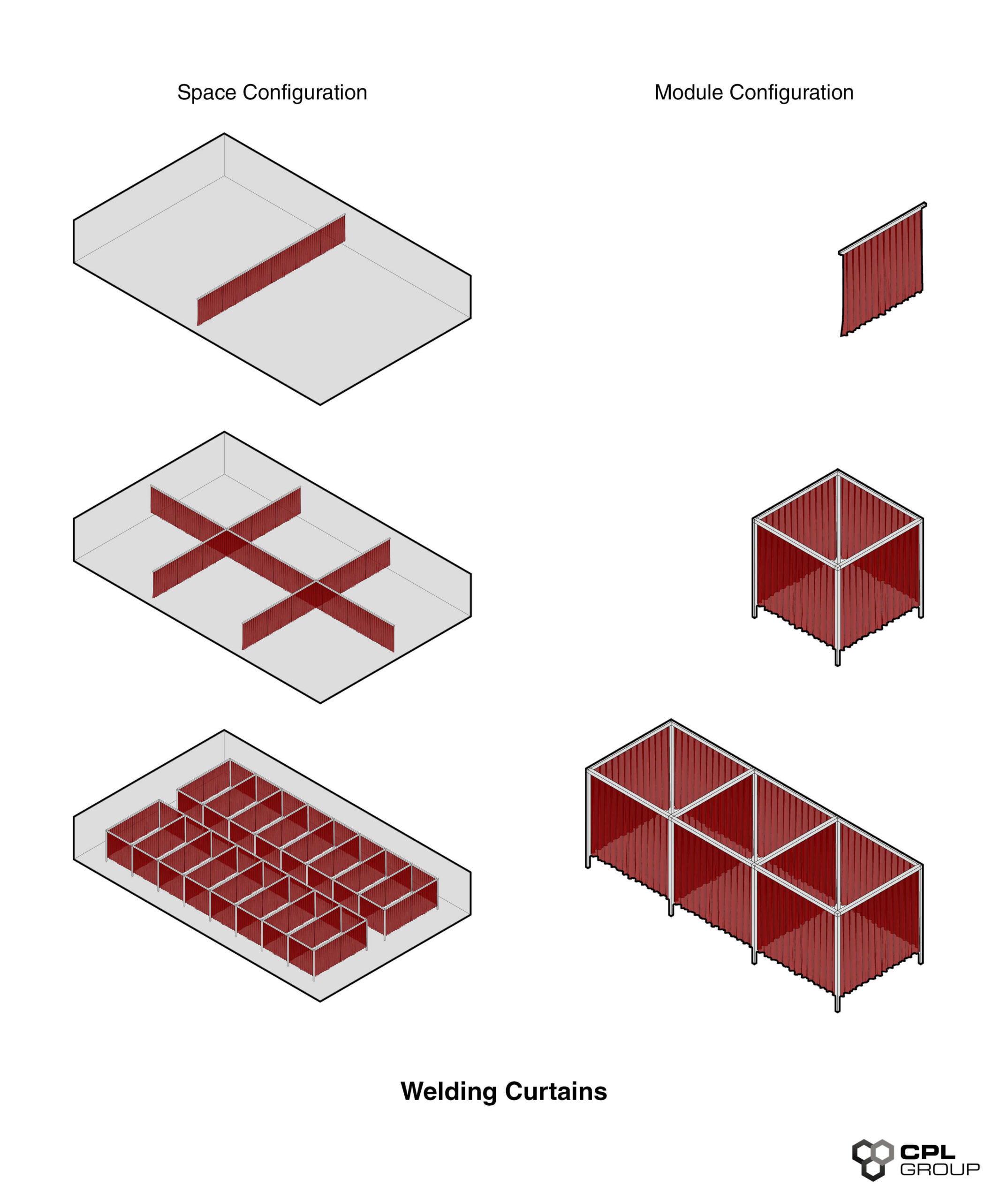
Install flame-resistant welding curtains at least 40 inches high to block UV radiation while allowing visibility for supervision. Position curtains to create a protected zone that extends beyond the immediate welding area, accounting for potential reflection off light-colored surfaces. Regularly inspect curtains for holes, tears, or degradation that would compromise their radiation-blocking capabilities.
Long-Term Vision Preservation Strategies for Professional Welders
Welders face unique long-term vision challenges that require proactive management throughout their careers.
Essential Annual Eye Examination Components
Your annual eye exam should include a dilated retinal examination to detect early cataract formation and retinal changes. Request specific evaluation for welder’s maculopathy, a condition caused by cumulative blue light exposure. Discuss your welding history with your eye care provider so they can tailor examination protocols to your occupational risks.
Cumulative Exposure Management Techniques
Track your welding hours and amperage settings to understand your cumulative exposure profile. Implement mandatory break schedules during extended welding sessions to reduce continuous exposure. Consider rotating tasks with non-welding responsibilities when possible to naturally limit daily radiation exposure. Remember that protection consistency throughout your career matters more than occasional perfect protection.
Protecting your eyes from welding hazards demands consistent attention to multiple protection layers—primary helmets, secondary eyewear, proper maintenance, and workplace controls. No single piece of equipment provides complete protection; it’s the thoughtful integration of all these elements that creates truly effective eye safety. Make equipment inspection part of your pre-weld ritual, never skip secondary protection, and prioritize regular eye exams to catch potential issues early. Your vision is irreplaceable—treat it as the critical asset it is by implementing these protection strategies consistently throughout your welding career.
Leave a Reply