
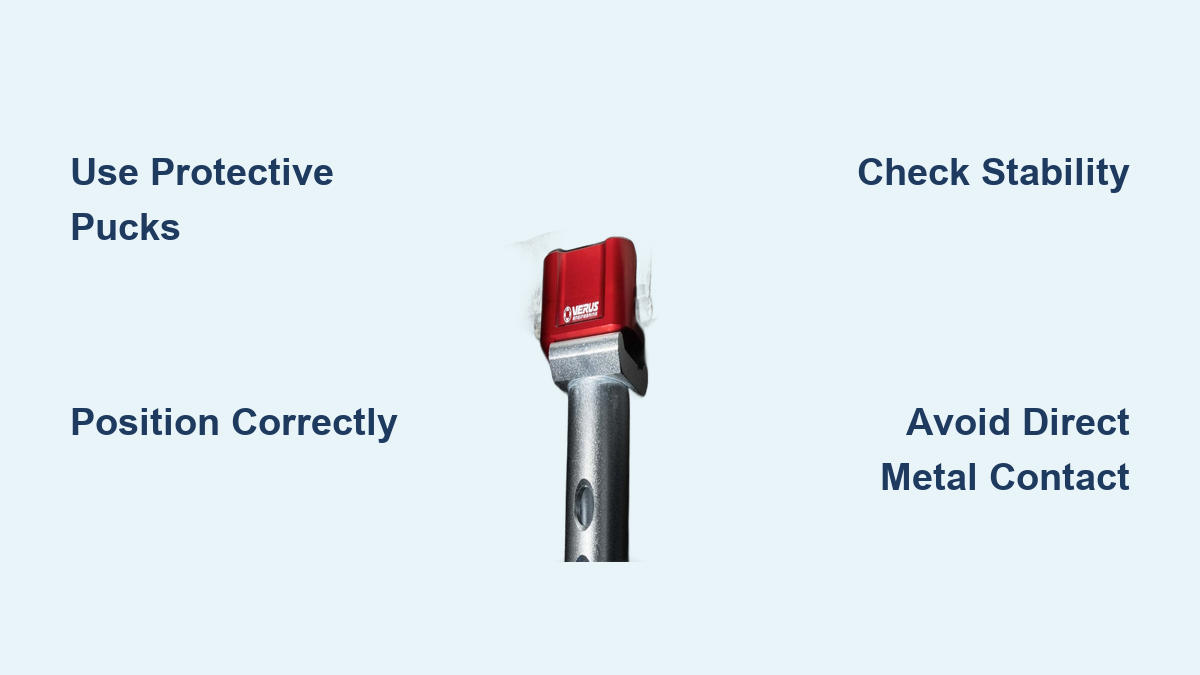
You’ve probably heard conflicting advice about whether it’s safe to place jack stands directly on pinch welds—those reinforced channels running along your vehicle’s undercarriage. This confusion puts DIY mechanics in a dangerous position: using improper support could lead to catastrophic failure while working underneath your car. The truth is, pinch welds are specifically engineered as structural lifting points, but improper technique can still cause damage or create unsafe conditions. Manufacturers designate these points in owner’s manuals for a reason—they’re built to handle the load—but how you position your jack stands makes all the difference between safe maintenance and potential disaster. This guide cuts through the misinformation with precise techniques for safely positioning jack stands on pinch welds, including the protective solutions that prevent damage while maintaining maximum stability.
Why Pinch Welds Are Engineered for Vehicle Support
Pinch welds aren’t random metal ridges—they’re critical structural channels formed where body panels meet during manufacturing, creating reinforced pathways along your vehicle’s frame. These channels distribute weight evenly across their entire length rather than concentrating force at a single point, which is why automotive engineers specifically designate them as approved lifting locations in owner’s manuals. The structure immediately inboard of the visible pinch weld measures nearly a quarter inch thick in many vehicles and can be verified by probing the small holes commonly found in these areas.
Many vehicles like the Ford Maverick feature embossed arrows near pinch weld points, but these primarily indicate optimal lifting locations for vehicle balance rather than being the only structurally sound areas. When you understand that pinch welds are literally designed to bear your vehicle’s weight during lifting operations, the debate shifts from whether they can support your car to how to properly position your jack stands for maximum safety and minimal damage.
Pinch Weld Protection: Direct Contact vs. Protective Padding

Why Direct Metal-to-Metal Contact Causes Damage
Placing jack stands directly on pinch welds creates multiple risks that many DIYers overlook until it’s too late. The sudden impact when lowering your vehicle onto the stand can deform the weld structure, particularly on sensitive vehicles like Subarus where bending damage has been widely documented. Even if immediate structural damage doesn’t occur, direct contact creates cosmetic flaws that become rust initiation points—especially dangerous in regions with road salt where moisture penetrates microscopic scratches and accelerates corrosion.
Never skip protective padding—the minimal investment in proper protection prevents costly repairs down the road. Many mechanics report seeing vehicles with pinch weld deformation severe enough to compromise structural integrity after repeated improper lifting, requiring expensive frame repairs that could have been avoided with simple protective measures.
When Direct Contact Might Be Acceptable (With Caveats)
While protective padding is generally recommended, some scenarios might justify direct contact with pinch welds. If you’re performing a quick tire rotation with minimal lift height and using high-quality, stable jack stands with perfectly matched geometry to your vehicle’s pinch weld profile, the risk decreases significantly. However, this approach demands perfect technique: controlled lowering, precise positioning, and immediate verification of stability before placing any body parts beneath the vehicle.
The critical factor isn’t whether direct contact is “safe” in theory—it’s whether you can guarantee perfect conditions every single time you lift your vehicle. For most DIY mechanics working in less-than-ideal conditions, the protection margin provided by proper padding outweighs any perceived convenience of direct contact.
Best Protective Solutions for Pinch Weld Jack Stand Placement
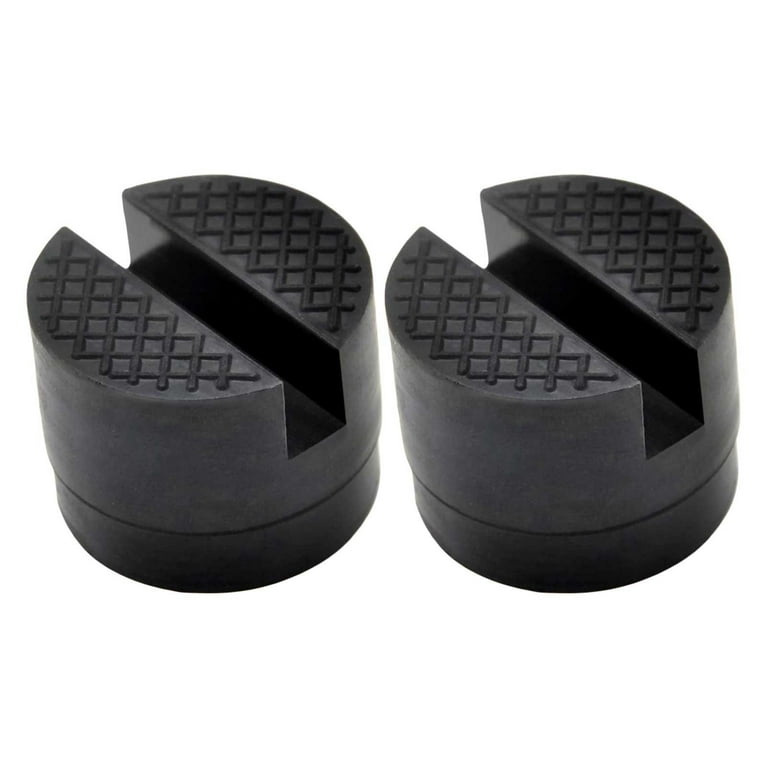
Slotted Pucks: The Gold Standard for Pinch Weld Protection
Hard rubber pinch weld pucks with factory-specified slots represent the most reliable solution for preventing damage while maintaining stability. These pucks feature a precisely cut channel that cradles the pinch weld profile, distributing weight across a broader surface area while preventing direct metal-to-metal contact. Look for pucks with a durometer rating between 70-85 Shore A—they provide enough give to absorb minor impacts without deforming under load.
For those who prefer DIY solutions, circular plywood pucks created with a 2-1/8″ hole saw (standard for electrical box installations) work exceptionally well. When cutting these:
– Orient the wood grain perpendicular to the slot direction
– Use hardwood like oak or maple for maximum durability
– Apply exterior-grade polyurethane to protect against moisture
– Cut slots with a jigsaw using a 1/8″ blade for precision
These homemade solutions have proven remarkably durable, with many mechanics reporting over a decade of regular use from properly constructed adapters.
Commercial Adapters That Actually Work
Not all commercial pinch weld protectors deliver on their promises—many suffer from poor fitment with specific jack stand models. The Harbor Freight Daytona series 3-ton low-profile jack stands include custom-formed pads that work well with certain vehicle makes, but Craftsman 4-ton stand users often report difficulties finding compatible covers. Your best commercial options include:
- Rubber boots that fit over standard jack stand pads (available in 2.5″ and 3″ diameters)
- Hard plastic pinch weld adapters with universal slot designs
- Red polyurethane covers (verify compatibility with your specific stand model before purchasing)
When testing any commercial adapter, place it on your jack stand and apply firm downward pressure—if it wobbles or shifts, it’s unsafe for actual vehicle support.
Step-by-Step Pinch Weld Jack Stand Placement
Positioning Jack Stands for Single-Side Lifting
- Locate the pinch weld channel along your vehicle’s frame rail (typically visible as a raised ridge running parallel to the rocker panel)
- Raise the vehicle using your floor jack at the manufacturer-specified lifting point
- Position your protective puck on the pinch weld slightly forward or backward from the lifting point
- Place the jack stand beneath the puck, ensuring full contact across the entire surface
- Slowly lower the vehicle onto the stand while watching for proper seating
- Gently shake the vehicle to verify stability before removing the floor jack
The entire pinch weld channel is structurally sound—you don’t need to find a specific “sweet spot” along its length. This flexibility allows you to position stands where space permits, which is crucial for vehicles like the Ford Maverick where designated lifting points have limited clearance.
Alternative Support Strategies for Problematic Vehicles
When pinch weld access proves difficult, consider these backup strategies:
– Lift using the factory-specified point but support the vehicle under the front subframe or rear axle tube
– Maintain your floor jack under the pinch weld as a safety backup even after placing stands
– Use two floor jacks simultaneously to lift both sides before positioning stands
Critical safety note: Never work under a vehicle supported only by a hydraulic jack—these are lifting devices, not safety supports. Always maintain at least two stable jack stands as primary supports before placing any body part beneath the vehicle.
Essential Safety Checks Before Working Under Your Vehicle
Before crawling under your lifted vehicle, perform these critical verification steps:
- Visual inspection: Confirm both jack stands make full contact with the protective puck and vehicle
- Stability test: Apply firm downward pressure on the vehicle while watching for stand movement
- Alignment check: Ensure stands aren’t leaning or positioned at an angle that could cause slippage
- Backup verification: Keep your floor jack positioned nearby as an emergency support option
Listen carefully during the lowering process—any creaking, groaning, or popping sounds indicate improper seating that requires immediate adjustment. If you hear these noises, raise the vehicle slightly and reposition the stand before proceeding.
Recommended Equipment for Pinch Weld Jacking
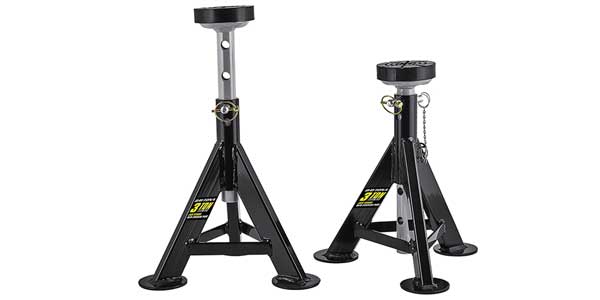
Jack Stand Selection Criteria
Choose flat-top jack stands rather than cupped designs for pinch weld work—they provide more consistent contact with protective pucks. Your stands should have at least double your vehicle’s curb weight capacity (4-ton stands work well for most passenger vehicles). The Harbor Freight Daytona series low-profile stands offer the best value for DIY mechanics at approximately $100 more than entry-level options but with significantly improved stability and safety features.
Floor Jack Requirements
A low-profile hydraulic floor jack with at least 14 inches of lift capacity provides sufficient clearance for most pinch weld lifting scenarios. Look for models with rubber contact pads that match or slightly exceed your vehicle’s pinch weld width to distribute force evenly during the lifting process. Avoid scissor jacks for pinch weld operations—they lack the stability required for safe vehicle support.
Long-Term Pinch Weld Maintenance After Lifting
After completing your maintenance, inspect pinch weld areas for any signs of damage before lowering your vehicle completely. Look for:
– Visible deformation or bending of the channel
– Fresh scratches or paint damage that could lead to rust
– Indentations where protective padding compressed the metal
In regions with road salt or high moisture, apply a rust inhibitor to any areas showing minor surface damage. Regular inspection of pinch weld points helps identify developing issues before they compromise structural integrity—most manufacturers recommend checking these areas during every oil change.
Successfully putting jack stands on pinch welds requires understanding both the structural role of these points and implementing precise techniques that prevent damage while ensuring maximum safety. While debate continues about the necessity of protective padding, the overwhelming consensus among professional mechanics favors using slotted pucks or adapters as a precaution that adds minimal time but prevents significant damage. By following these specific positioning techniques, using appropriate protective solutions, and never skipping critical safety checks, you can confidently lift your vehicle for maintenance knowing your pinch welds remain protected and your workspace stays safe. Remember that proper jack stand placement isn’t just about completing your current task—it’s about preserving your vehicle’s structural integrity and protecting yourself from preventable accidents.
Leave a Reply