
Struggling to strike a consistent arc when learning how to start a stick weld is one of the most common frustrations for beginners. That moment when the electrode sticks to your workpiece instead of producing a steady arc can make you question whether welding is for you. Stick welding (SMAW) remains one of the most versatile and accessible welding processes—perfect for farm repairs, construction sites, and DIY projects—but mastering the initial arc strike separates those who quit from those who succeed. This guide cuts through the confusion with actionable steps that transform your arc-starting struggles into confidence. You’ll learn exactly how to ignite and maintain that crucial arc from your very first attempt, with techniques that work on 1/8-inch electrodes for mild steel—the most common beginner scenario.
When you’re trying to start a stick weld, the coordination required between hand movement, electrode angle, and arc length feels unnatural at first. Many beginners waste hours practicing the wrong technique, developing bad habits that take weeks to correct. The good news? With the right approach, you can achieve consistent arc ignition in just one practice session. This isn’t theoretical advice—it’s the same method used in welding schools to get students producing quality beads faster. By the end of this guide, you’ll understand precisely how to position your body, grip the electrode holder, and execute the perfect strike that lights up reliably every time.
Essential Safety Gear You Must Wear Before Attempting to Start a Stick Weld

Your safety setup directly impacts your ability to focus on learning how to start a stick weld correctly. Without proper protection, you’ll instinctively flinch from the arc flash, ruining your technique before you even begin. The moment you strike that first arc, intense ultraviolet radiation floods your workspace—stronger than midday sunburn in seconds.
Wear a welding helmet with shade 10-12 lens specifically for stick welding before touching any equipment. Auto-darkening helmets are worth the investment for beginners because they eliminate the “helmet dance” of flipping your head up and down. Your gloves must be full-leather—not canvas or synthetic blends—that cover your wrists completely. Sparks will find any exposed skin, and synthetic materials melt onto flesh causing severe burns. A flame-resistant welding jacket protects your torso from spatter that would burn through ordinary clothing.
Never skip ventilation even when practicing outdoors. Stick welding fumes contain manganese and other metals that accumulate in your system over time. Position yourself so wind carries fumes away from your breathing zone, or use exhaust fans indoors. Your ability to concentrate on starting a stick weld diminishes rapidly when you’re light-headed from fume inhalation.
Choose the Right Electrode for Your First Stick Weld Attempts
Selecting the correct electrode dramatically affects how easily you can start a stick weld. Beginners often grab whatever’s cheapest without understanding how electrode composition impacts arc ignition. The four-digit numbering system (like E6013) tells you exactly what to expect.
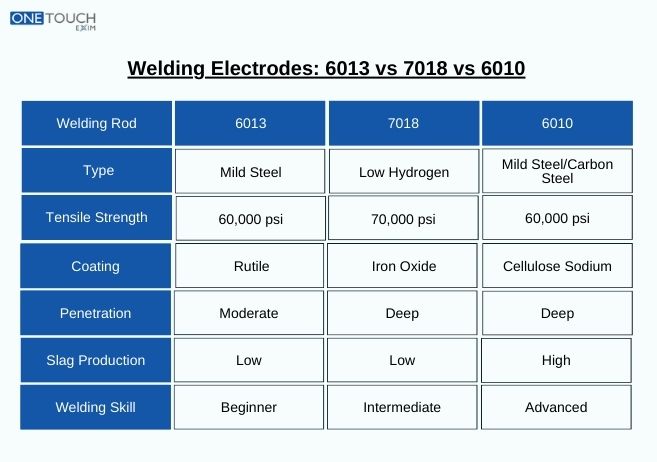
For your first attempts at how to start a stick weld, use E6013 electrodes on clean mild steel. These “general purpose” rods produce a gentle, forgiving arc that reignites easily when you make mistakes—the perfect training wheels for beginners. Their high titanium dioxide coating creates a soft arc with minimal spatter, allowing you to focus on technique rather than fighting a violent arc. They work well on thinner materials (16-gauge up to 1/4 inch) common in DIY projects.
Avoid E7018 electrodes until you’ve mastered basic arc starting. While professionals prefer these low-hydrogen rods for strong structural welds, their stiffer arc requires more precise technique. E7018 demands consistent arc length and travel speed—skills you haven’t developed yet. If you try starting a stick weld with E7018 first, you’ll likely develop frustration instead of skill. Save these for when you can consistently produce clean stringer beads with E6013.
Set Up Your Welder Correctly for Reliable Arc Ignition
Improper welder settings sabotage your attempts to start a stick weld before you even strike the first arc. Many beginners use whatever amperage is preset on the machine, not realizing this single setting determines whether your electrode will stick or produce a stable arc.
Set amperage to 110-120 for 1/8-inch E6013 electrodes on 1/4-inch steel. This sweet spot provides enough heat for consistent arc ignition without burning through your material. If your electrode sticks constantly, increase amperage by 5-10 increments. If the arc hisses violently and eats through metal, reduce the setting. The electrode packaging always lists recommended amperage ranges—follow these religiously when learning how to start a stick weld.
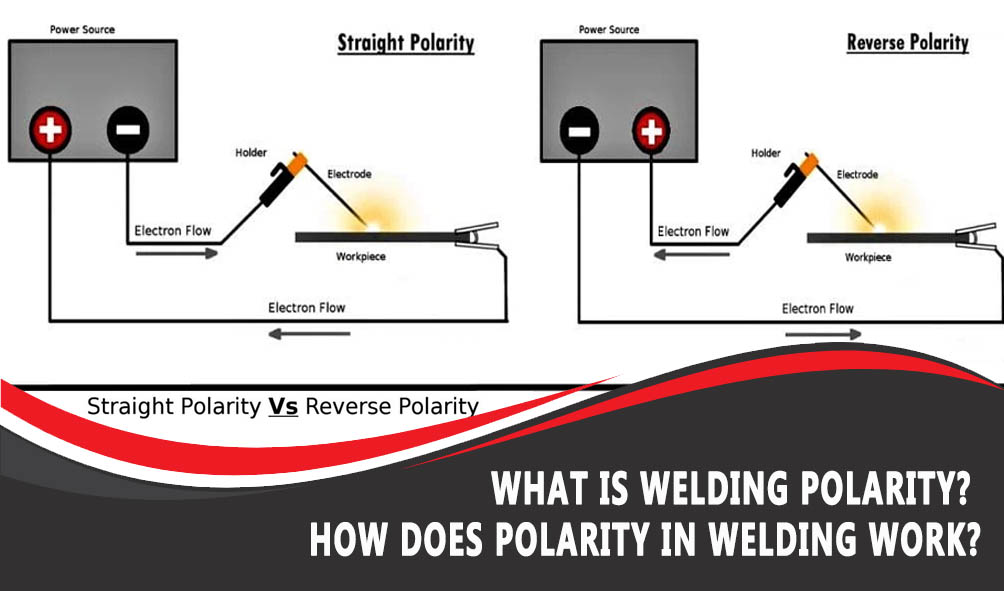
Connect in DC electrode positive (DCEP) configuration for most beginner applications. Attach your electrode holder to the positive (+) terminal and ground clamp to negative (-). This “reverse polarity” provides deeper penetration and smoother arc characteristics crucial for reliable ignition. Check your machine’s polarity indicator before striking your first arc—using straight polarity (DCEN) with E6013 creates an unstable arc that frustrates beginners.
Perfect Your Body Position Before Striking the First Arc
Your physical stance determines whether you’ll maintain control during the critical moment of starting a stick weld. Most beginners stand too far back or lock their arms rigidly, making fine motor control impossible when they need it most.
Adopt a balanced athletic stance with feet shoulder-width apart and knees slightly bent. Position yourself so you can move smoothly along your weld joint without excessive twisting. Rest your welding hand’s pinky finger lightly on the workpiece for stability—this “pinky rest” technique maintains consistent arc length automatically. Your non-dominant arm should be free to chip slag or adjust position without compromising your welding hand.
Grip the electrode holder like a pencil with a firm but relaxed grip. Extend the electrode 2-3 inches from the holder so you can see the tip clearly. Angle the electrode 70-80 degrees from the workpiece surface, tilted slightly in your travel direction. Practice this position repeatedly on scrap metal before attempting to start a stick weld—muscle memory begins with proper setup.
Execute the Perfect Arc Strike Technique in One Motion
This is where most beginners fail—they approach arc ignition like striking a match, scraping aggressively across the surface. The correct technique for how to start a stick weld requires a precise, controlled motion that takes milliseconds to execute but prevents sticking.
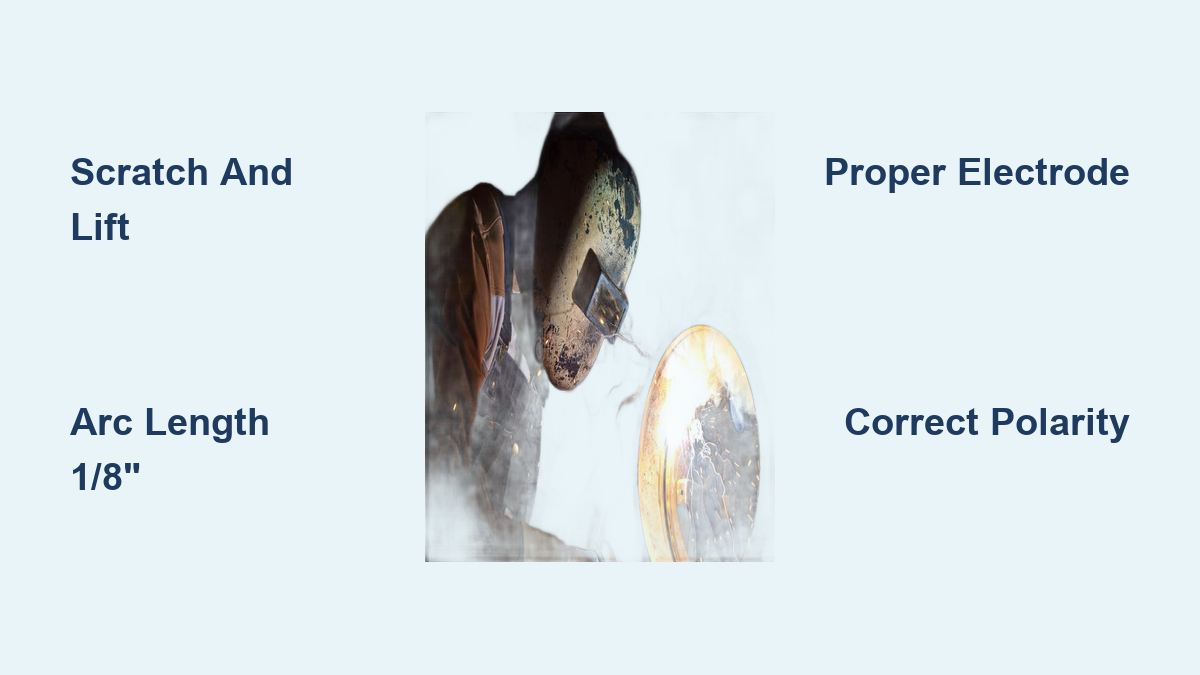
Use the “scratch and lift” method: lightly drag the electrode tip across the workpiece like striking a match, then immediately lift to 1/8-inch arc length. Your motion should cover just 1-2 inches of surface—any longer damages the electrode coating. As the electrode contacts metal, you’ll feel a slight magnetic pull; this is your cue to lift slightly. The ideal arc length equals your electrode diameter (1/8 inch for common rods).
Listen for the right sound—your successfully started stick weld should produce a steady “crackling” hum. If you hear loud hissing, you’re too close; if the arc keeps extinguishing, you’re too far away. When you strike properly, the electrode tip glows brightly and molten metal pools within seconds. Practice this motion 20 times on scrap metal before attempting an actual weld—each repetition builds the neural pathways for consistent ignition.
Maintain Consistent Arc Length from Ignition Through Completion
Your ability to sustain the arc after starting a stick weld determines whether you produce a quality bead or a messy failure. Most beginners focus so hard on striking the arc that they immediately lose control of the critical distance between electrode and workpiece.
Keep arc length equal to your electrode diameter (about 1/8 inch for 1/8-inch rods). This narrow gap creates the stable, focused arc needed for proper fusion. Watch the arc cone—the bright blue-white light at the contact point—should remain tight and consistent. If it flares out widely, you’ve pulled too far back; if it disappears into a bright flash, you’re too close.
Develop feel through deliberate practice on straight lines. Set up a 6-inch scrap piece and focus solely on maintaining arc length as you move. Stop and restart after each inch to build muscle memory. When learning how to start a stick weld, this single skill matters more than travel speed or manipulation. Consistent arc length produces even bead ripples and strong fusion—everything else builds from this foundation.
Troubleshoot Common Arc Starting Failures Immediately
Even with perfect technique, certain issues prevent successful arc ignition. Recognizing these problems saves wasted electrodes and builds diagnostic skills that serve you throughout your welding journey.
Why your electrode keeps sticking when trying to start a stick weld:
– Amperage too low for material thickness
– Poor ground clamp connection (clean contact point!)
– Electrode too damp from improper storage
– Moving too slowly during strike motion
Why your arc won’t ignite consistently:
– Electrode coating damaged during handling
– Machine polarity set incorrectly
– Dirty base metal surface (remove rust/paint!)
– Inconsistent strike motion (practice on scrap)
Each failed attempt teaches you something about your setup or technique. Keep a log of what worked and what didn’t—within 30 minutes of deliberate practice, you’ll identify your specific sticking points and overcome them.
Mastering how to start a stick weld transforms welding from frustrating to fulfilling almost overnight. The techniques covered here—proper safety setup, electrode selection, welder configuration, body positioning, and the precise strike motion—form the foundation for all your future welding success. Remember that every professional welder once struggled with the same arc ignition challenges you’re facing now. Practice the scratch-and-lift technique deliberately for just 20 minutes daily, focusing solely on consistent arc ignition, and within a week you’ll achieve reliable starts that build your confidence for more advanced techniques. Your welding journey begins the moment you successfully start a stick weld—and with these methods, that moment is closer than you think.
Leave a Reply