
That searing pain behind your eyelids after welding isn’t just discomfort—it’s a medical emergency requiring immediate action. When ultraviolet radiation from welding arcs damages your corneal tissue, the resulting condition—known as “welder’s flash” or “arc eye”—can transform a routine workday into a nightmare of pain that peaks hours after exposure. Understanding how to stop eyes burning from welding starts with recognizing this isn’t a minor irritation but a genuine corneal sunburn that demands proper treatment to prevent complications. The good news is that with the right care, your eyes can heal completely within 48 hours while avoiding permanent damage. This guide delivers the precise steps you need to take when welding flash burns strike, from immediate pain relief to preventing future incidents that could threaten your vision.
Most welders don’t realize symptoms typically appear 6-12 hours after exposure, meaning you might finish your shift feeling fine only to wake in agony. This delayed onset makes early recognition critical—you’re not imagining the pain, and it won’t simply “go away” without proper intervention. Your cornea has remarkable healing capabilities, but only if you follow the right treatment protocols and avoid common mistakes that can turn a temporary inconvenience into a serious complication.
Diagnose Your Welding Eye Burn Symptoms Within Hours
Identifying welding flash burn symptoms early prevents unnecessary suffering and guides your treatment decisions. The hallmark sign is pain that develops with a characteristic delay—typically beginning 6-12 hours after UV exposure rather than immediately. This pain often starts as mild discomfort but intensifies over hours, potentially becoming so severe you can’t keep your eyes open. Never ignore this delayed pain pattern, as it distinguishes flash burns from foreign body injuries that cause instant discomfort.
Your eyes will show multiple warning signs beyond pain:
- Extreme light sensitivity making normal room lighting feel unbearable
- Excessive tearing or paradoxically, a dry, gritty sensation as if sand is trapped under your eyelids
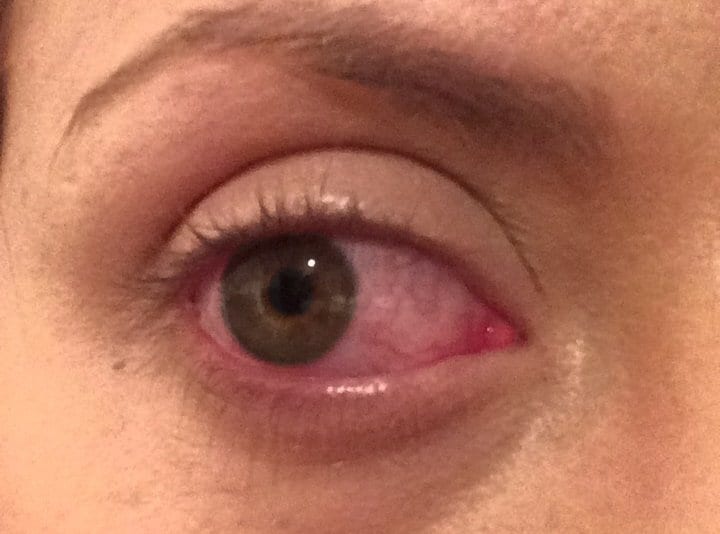
- Redness in both eyes (since UV exposure typically affects whichever eyes were unprotected)
- Blurred vision that worsens in bright conditions
- Swelling of eyelids in more severe cases
Track your symptom timeline carefully—when they started, how they’ve progressed, and what makes them better or worse. This information helps medical professionals determine whether you’re dealing with a simple flash burn or a more serious injury requiring specialized treatment. If your eyes began hurting during welding and continued hurting without the characteristic delay, you may have a different type of eye injury needing different care.
Get Immediate Medical Treatment for UV Eye Damage
Professional diagnosis is non-negotiable when treating welding flash burns—attempting home remedies alone risks complications that could threaten your vision. When you visit a healthcare provider, expect a thorough evaluation that includes:
What to Expect During Your Eye Examination
Your clinician will first apply anesthetic eye drops to numb your cornea, allowing them to examine your eye without causing additional pain. Never use these anesthetic drops at home, as they interfere with your eye’s natural healing process and can cause permanent damage with repeated use. Next, they’ll perform a detailed inspection using a slit lamp—a specialized magnifying instrument that illuminates your corneal surface.
The critical diagnostic step involves applying sodium fluorescein dye to your eye, which glows bright green under blue light where your corneal epithelium is damaged. This harmless, temporary test clearly shows the location and severity of UV damage, guiding appropriate treatment. The staining pattern reveals whether you have a minor superficial burn or more extensive damage requiring aggressive intervention.
Why Professional Diagnosis Beats Self-Treatment
Many welders mistakenly believe flash burns will heal on their own, but improper treatment can lead to bacterial infections that cause corneal ulcers—potentially resulting in scarring and permanent vision loss. Only a healthcare professional can accurately assess whether your cornea has sustained significant epithelial damage requiring prescription medications. Attempting to “tough it out” or using inappropriate over-the-counter remedies often extends your recovery time and increases complication risks.
Apply Proven Medical Treatments for Immediate Relief

Effective treatment for welding flash burns targets three critical areas: pain management, infection prevention, and corneal healing support. Your healthcare provider will likely prescribe:
- Dilating eye drops that relax ciliary muscles to reduce pain and allow your eye to rest
- Antibiotic eye drops to prevent secondary infections during healing
- Artificial tears to maintain moisture and comfort on your damaged corneal surface
Follow your medication schedule precisely—missing doses or stopping early because symptoms improve can compromise healing. Apply eye drops correctly by tilting your head back, gently pulling down your lower eyelid to create a pocket, and instilling drops without touching your eye with the bottle tip. Never reuse single-use vials or share eye medications, as this introduces infection risks.
Implement Emergency Home Care While Healing
Your actions at home significantly impact recovery speed and comfort during the critical first 48 hours. Start with these essential steps:
Immediate Pain Management Protocol
- Take over-the-counter pain medication like ibuprofen or acetaminophen as directed—these reduce both pain and inflammation
- Wear wraparound sunglasses indoors and out to combat light sensitivity
- Apply a cool compress (never ice directly) to closed eyelids for 10-minute intervals
- Sleep with your head elevated to reduce swelling and pressure on healing tissue
Absolutely avoid these dangerous mistakes that prolong healing: rubbing your eyes, wearing contact lenses, applying topical anesthetics not prescribed by your doctor, or using homemade eye washes that could introduce contaminants.
Prevent Future Welding Eye Burns With Proper Protection
Stopping eyes burning from welding starts long before symptoms appear—through consistent use of appropriate protective equipment. Standard safety glasses provide zero protection against welding UV radiation and may even melt or crack from intense heat exposure.
Selecting the Right Eye Protection
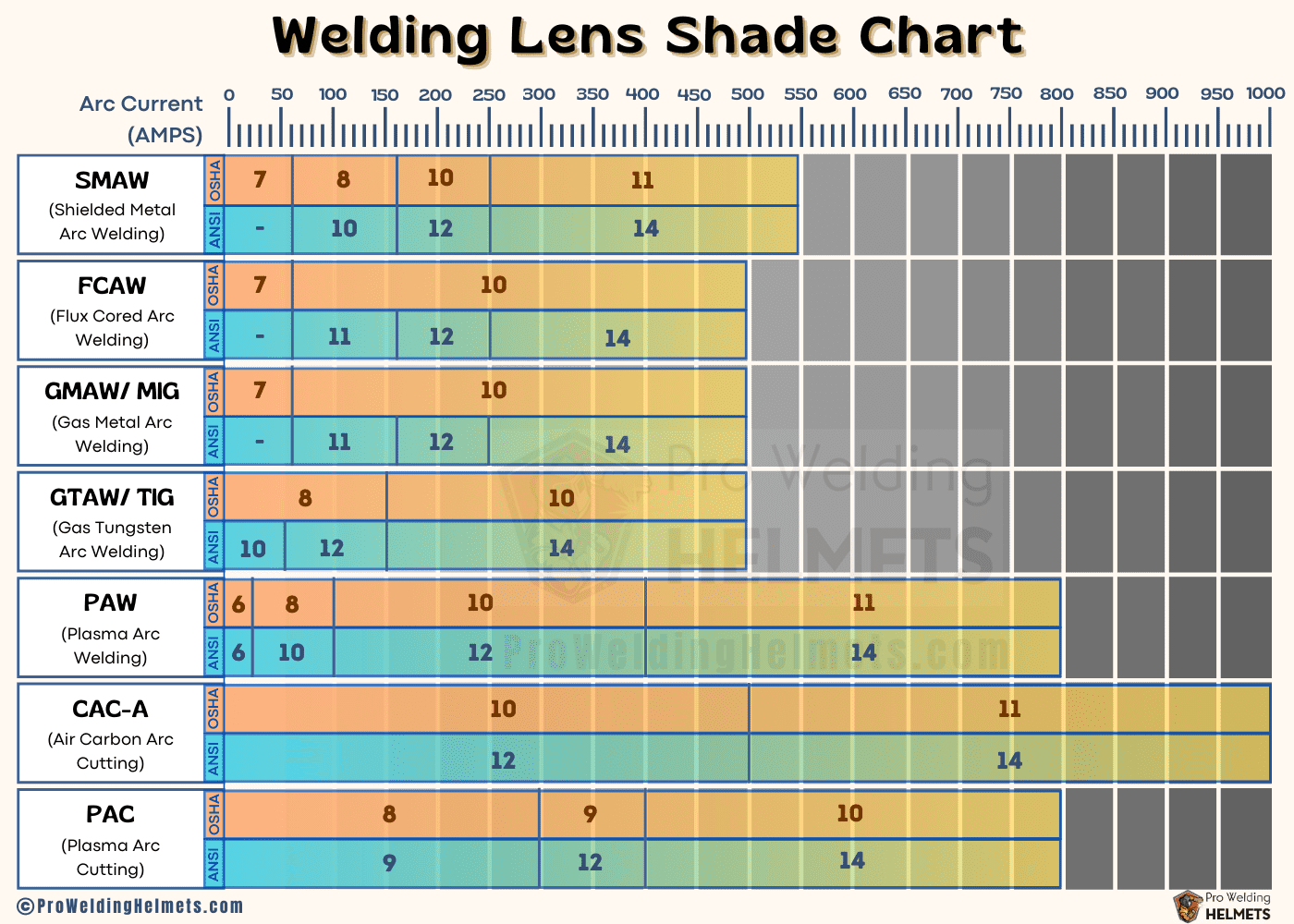
Choose welding helmets or goggles specifically rated for your welding process:
– For MIG welding: Shade #10-13
– For TIG welding: Shade #8-12
– For stick welding: Shade #9-14
Verify your equipment meets Australian Standards AS/NZS 1337.1 or equivalent certifications in your region. The helmet must fit snugly with no gaps allowing peripheral UV exposure, as reflected radiation from metal surfaces causes nearly as many flash burns as direct exposure.
Recognize Danger Signs That Require Emergency Care
Most flash burns heal within 48 hours, but these symptoms indicate complications needing immediate attention:
- Vision that worsens rather than improves after 24 hours
- Yellow or green discharge from your eye (sign of infection)
- Severe pain that intensifies after initial improvement
- Fever or chills accompanying eye symptoms
- Persistent foreign body sensation beyond 72 hours
Don’t wait to see if symptoms improve—corneal infections can cause permanent vision damage within hours. If you notice any of these warning signs, seek emergency eye care immediately.
Restore Full Vision With Proper Recovery Practices
Your cornea typically heals completely within 48 hours when treated correctly, but following proper recovery protocols ensures no setbacks. Continue wearing sunglasses for 3-5 days after symptoms resolve, as your eyes remain UV-sensitive during final healing stages. Avoid driving until your light sensitivity disappears completely and your vision stabilizes—depth perception and reaction times remain impaired during recovery.
Schedule a follow-up eye exam within one week to confirm complete healing, especially if you’ve had multiple flash burns. Repeated UV exposure increases your long-term risk of cataracts, pterygium, and macular degeneration—conditions that proper protection can prevent throughout your welding career.
Access Emergency Resources Before You Need Them
Save these critical contacts in your phone now:
– Local emergency department
– 24-hour eye clinic
– Occupational health service through your employer
In Australia, call triple zero (000) for immediate medical emergencies or visit the nearest hospital emergency department. For non-emergency cases, your general practitioner can initiate treatment and refer you to an ophthalmologist if needed. Document your injury through workplace channels to ensure workers’ compensation covers your treatment and prevents future incidents for your colleagues.
Never underestimate welding flash burns—what starts as temporary discomfort can become permanent vision damage without proper care. By following these precise treatment steps and implementing rigorous prevention strategies, you protect both your immediate comfort and long-term vision while continuing your welding career safely.
Leave a Reply