
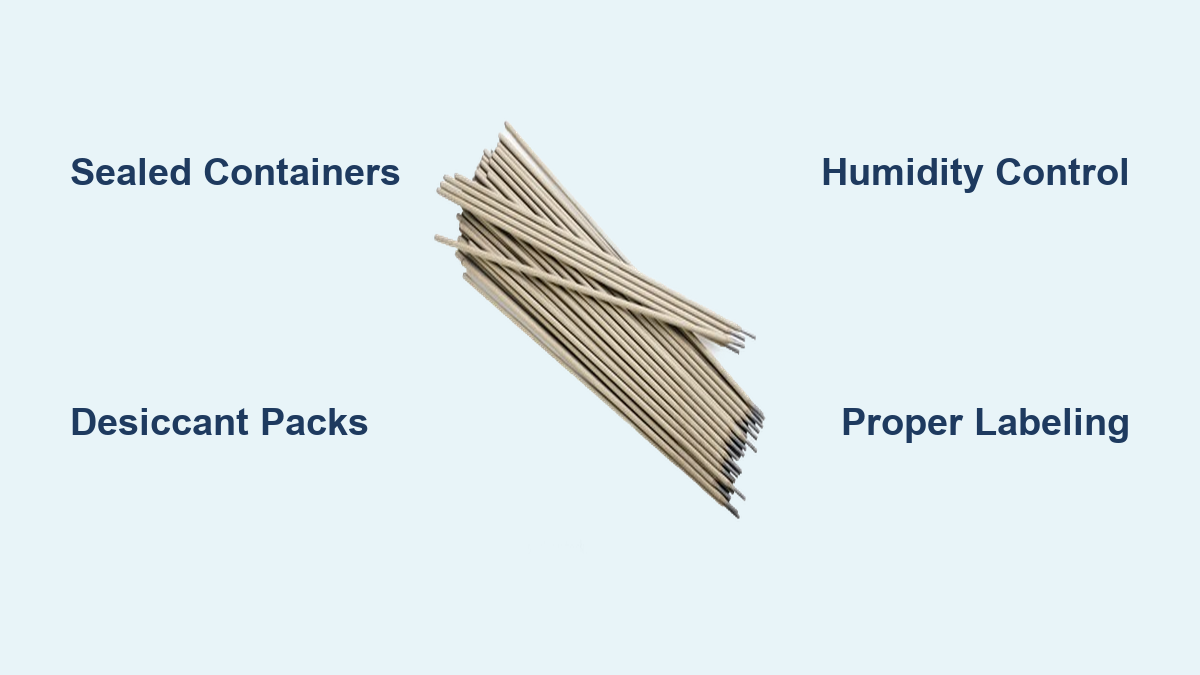
Welding rods sitting in a damp garage or exposed to workshop humidity could be silently sabotaging your welding projects. Many welders discover too late that their weak welds, excessive spatter, and mysterious porosity stem from improperly stored electrodes rather than operator error. Understanding how to store welding rods properly transforms frustrating welding experiences into consistent, high-quality results while protecting your material investment. Whether you’re working with critical structural components or weekend hobby projects, moisture-contaminated welding rods introduce hydrogen into your welds that causes cracks and failures—sometimes long after the job appears complete. This guide reveals the specific storage practices that maintain your electrodes in optimal condition, ensuring reliable performance every time you strike an arc.
Why Moisture Ruins Welding Rod Performance

Welding rods absorb moisture like a sponge, with potentially disastrous consequences for your welds. Low-hydrogen electrodes such as 7018 become compromised when exposed to humidity above 50%, as the absorbed moisture releases hydrogen during welding that causes microscopic cracks in the weld metal. These cracks often remain invisible until structural stress reveals them, creating dangerous failure points in critical applications. The problem worsens in cold weather when moisture condenses on rods moved from cool storage to warmer welding environments.
Cellulose-based electrodes like 6010 and 6011 tolerate higher humidity levels but still suffer from improper storage. Excessive moisture causes inconsistent arc performance, increased spatter, and rough weld beads that require extensive cleanup. The flux coating deteriorates, leading to unstable arcs that make precise welding difficult even for experienced operators. Many welders mistakenly attribute these issues to technique rather than recognizing their electrodes have been compromised by poor storage conditions.
Financially, improper storage turns your electrode investment into recurring waste. A single box of quality 7018 rods costs $75-$120, yet improperly stored rods may need replacement after just a few weeks of exposure. Professional welders working on tight margins can’t afford to discard contaminated electrodes or face costly rework due to weld failures. Proper storage pays for itself quickly by extending electrode life and preventing avoidable mistakes.
Creating the Perfect Storage Environment

Temperature control separates professional welders from hobbyists when storing electrodes. Maintain your storage area between 65°F and 85°F for optimal results, avoiding locations near heating vents, windows, or exterior walls where temperature fluctuations occur. Sudden temperature changes cause condensation when moving rods between environments—always allow electrodes to acclimate in their sealed containers for at least two hours before opening them in a different climate.
Humidity management requires more attention than most welders realize. For low-hydrogen rods, keep relative humidity below 40% using a combination of dehumidifiers and desiccants. Install a simple hygrometer in your storage area to monitor conditions—you’ll be surprised how quickly humidity rises during summer months or after rain. In humid climates, run dehumidifiers continuously in your storage space, not just during particularly muggy days when damage has already occurred.
Air quality matters more than many realize for welding rod storage. Keep electrodes away from oil mist, chemical vapors, and welding fumes that can contaminate flux coatings. Store rods at least 10 feet from active welding stations and never in the same cabinet with solvents or cleaning chemicals. Even minimal exposure to certain airborne contaminants alters electrode chemistry enough to affect arc stability and weld quality.
Choosing the Right Storage Containers
Sealed plastic containers with rubber gasket lids provide the best balance of protection and affordability for most welders. Look for containers with latch-down lids that create an airtight seal—Tupperware-style containers with snap lids won’t maintain proper humidity control. Before storing electrodes, place silica gel desiccant packets in the bottom of containers (one 50-gram packet per cubic foot of space) and replace them monthly or when color indicators show saturation.
For professional shops with multiple electrode types, dedicated welding rod ovens offer superior protection. These specialized cabinets maintain precise temperature and humidity control while keeping different rod classifications organized. Set your rod oven to 150°F for cellulose rods or 250°F for low-hydrogen electrodes to prevent moisture absorption. While the initial investment seems high, rod ovens pay for themselves in six months by eliminating wasted electrodes and rework costs.
Never store opened electrodes in their original cardboard boxes. The porous material offers zero moisture protection once opened, and the boxes easily absorb workshop humidity. Transfer unused rods to sealed containers immediately after opening a new box, keeping the original packaging for reference but not for storage. Label each container clearly with electrode type, diameter, and date transferred to track inventory rotation.
Storage Requirements by Electrode Type
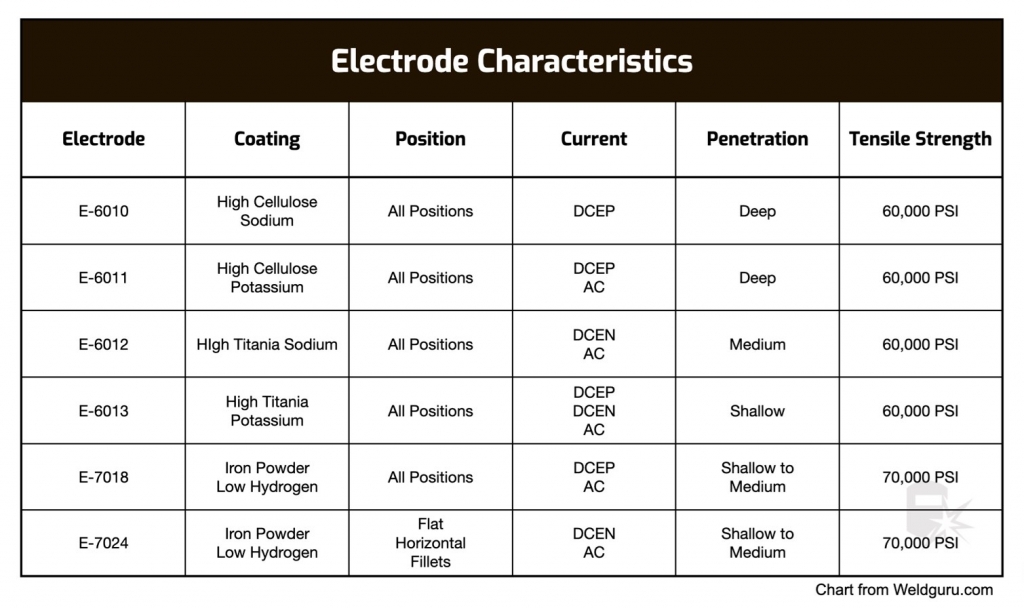
7018 rods demand the strictest storage conditions of common electrodes. These low-hydrogen rods must stay below 40% humidity in sealed containers with fresh desiccant. For extended storage beyond three months, maintain them in a rod oven set to 250°F. Never leave 7018 rods exposed on your workbench for more than 30 minutes—return unused rods to storage immediately after welding.
6010 and 6011 rods tolerate more humidity but still require protection. Store these cellulose electrodes below 60% humidity in sealed containers, though brief exposure during welding won’t cause significant damage. Unlike 7018 rods, you can leave 6010 rods out overnight without major performance issues, but extended exposure still degrades arc stability over time.
Stainless steel electrodes need protection from both moisture and cross-contamination. Store them separately from carbon steel electrodes to prevent iron particle transfer that compromises corrosion resistance. Maintain humidity below 50% and handle with clean gloves to prevent skin oils from affecting the flux coating.
Aluminum electrodes require the most careful handling of all rod types. Keep them in original sealed packaging until use, and transfer to airtight containers with desiccant immediately after opening. Aluminum’s reactivity means even brief exposure to workshop air can cause oxidation that affects weld quality.
Reviving Moisture-Contaminated Electrodes
When rods show signs of moisture damage—white powder on the coating or inconsistent arc performance—drying procedures may save them. For 7018 rods, heat to 700°F for one hour in a dedicated rod oven, then allow to cool in the oven before removing. Never use household ovens for this purpose, as food residues contaminate electrodes and affect weld chemistry.
Cellulose rods require gentler drying at 250°F for two hours. Higher temperatures burn the cellulose binders, ruining the electrodes permanently. Check rods after drying—those with cracked or flaking coatings won’t recover and should be discarded.
Discard any rods showing physical damage to the flux coating regardless of drying attempts. Flaking, chipping, or crumbling indicates irreversible degradation that no drying process can fix. Using these rods creates inconsistent arcs, excessive spatter, and poor weld bead appearance that wastes more time than replacing the rods would cost.
Implementing an Effective Storage System
Start with a simple system using three sealed containers labeled “High Use,” “Medium Use,” and “Long Term Storage.” Keep daily-use rods in the High Use container with fresh desiccant, rotating rods from Medium Use as needed. Store backup inventory in Long Term with double desiccant protection.
Track electrode age using a simple inventory sheet noting purchase dates and storage dates. Most electrodes remain viable for 2-5 years when properly stored, but low-hydrogen rods degrade faster once exposed to moisture. Follow first-in-first-out rotation to use older stock first, preventing waste from expired materials.
Conduct monthly inspections of your storage system: check desiccant saturation, verify container seals, and examine rods for signs of moisture damage. Replace desiccant before it reaches full saturation—waiting until color indicators change means moisture protection has already diminished.
Critical Mistakes That Ruin Welding Rods
Leaving rods in their original cardboard boxes after opening represents the most common storage mistake. These boxes absorb workshop humidity rapidly, contaminating electrodes within hours in humid conditions. Transfer rods immediately to sealed containers after opening a new box.
Storing different electrode types together causes cross-contamination that affects weld quality. Carbon steel particles transfer to stainless rods during handling, compromising corrosion resistance in the final weld. Keep each electrode classification in separate containers with dedicated tongs for handling.
Using containers with inadequate seals wastes your storage efforts. Plastic bins with snap lids allow enough air exchange to compromise rods within days. Invest in containers with rubber gasket seals that create an airtight environment when closed properly.
Proper welding rod storage separates professional results from amateur frustrations. By controlling moisture, maintaining stable temperatures, organizing by electrode type, and implementing regular maintenance, you ensure consistent arc performance and high-quality welds every time. The small investment in proper storage containers and desiccant pays exponential dividends in reduced material waste, fewer welding defects, and confidence that your electrodes will perform as expected when you need them most. Implement these practices today and transform your welding results tomorrow.
Leave a Reply