
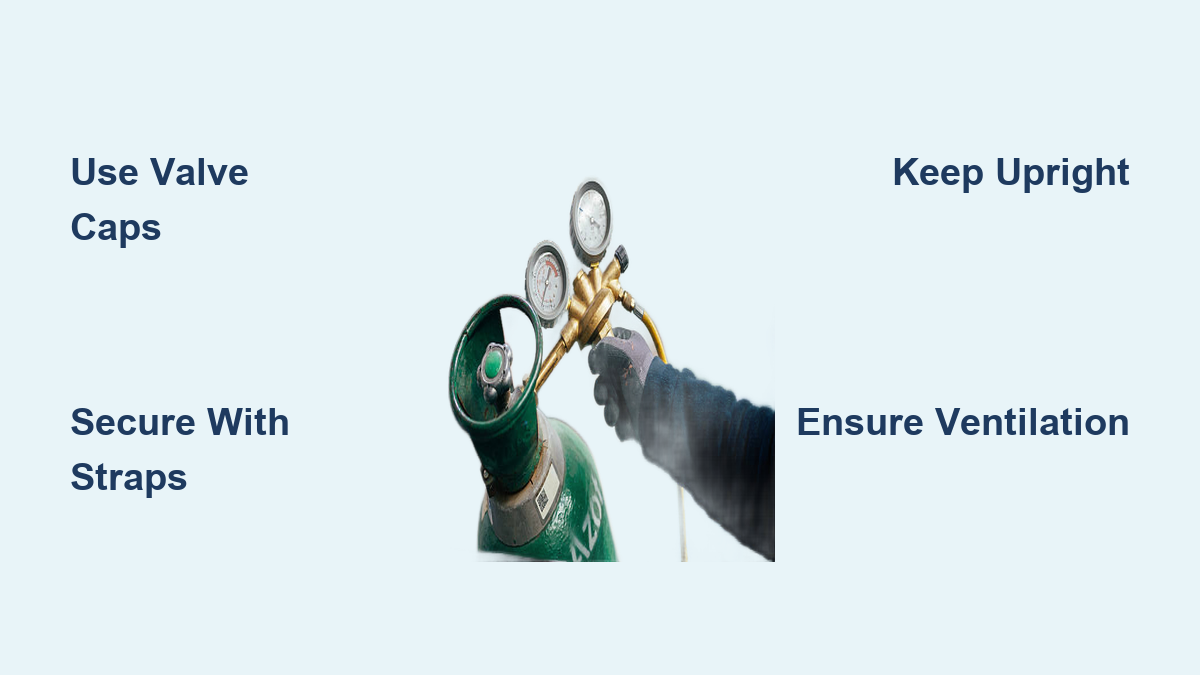
Moving welding gas cylinders might seem as simple as strapping them in your vehicle and hitting the road, but improper transport techniques put you at serious risk. Every year, hundreds of welding enthusiasts and professionals face regulatory fines, cylinder damage, or even dangerous accidents because they didn’t follow proper transport procedures for their argon, oxygen, or acetylene tanks. Whether you’re a hobbyist moving a single 80cf cylinder to your garage or a professional hauling multiple tanks to job sites, understanding how to transport welding gas safely protects you, your passengers, and everyone else on the road. This guide reveals the exact methods industry professionals use to move compressed gas cylinders without incident, including vehicle-specific techniques, regulatory requirements, and emergency protocols you need to know.
The consequences of improper welding gas transport extend far beyond potential accidents—they can include hefty fines from transportation authorities who routinely inspect vehicles carrying compressed gases. Even experienced welders make critical mistakes when moving cylinders, often because they don’t realize certain practices that seem safe actually violate Department of Transportation (DOT) regulations. By the end of this guide, you’ll know exactly how to secure cylinders properly in any vehicle, comply with legal requirements regardless of cylinder size, and handle emergency situations that could arise during transport. Let’s dive into the essential safety measures that keep every gas cylinder movement incident-free.
Secure Valve Caps Before Moving Any Cylinder
Never transport a welding gas cylinder without its protective valve cap firmly in place—this single step prevents the most common and dangerous transport accidents. Valve caps shield the critical valve assembly from impact damage during transit, prevent debris from entering valve openings, and provide secure attachment points for restraints. Industry veterans with decades of experience consistently emphasize this non-negotiable rule: whether you’re moving a cylinder across your workshop or driving across state lines, the cap must be on before the cylinder moves an inch.
Why Valve Caps Are Your First Line of Defense
A damaged valve during transport can transform your secured cylinder into an uncontrolled projectile if the valve shears off during an accident. Without the protective cap, even minor bumps can compromise the valve mechanism, potentially causing gas release or complete cylinder rupture. One professional welder who transports cylinders daily explains that valve caps prevent the “flying bottle” scenario where an uncapped cylinder becomes a dangerous missile in the event of sudden stops or collisions—something that could easily destroy your vehicle’s interior and injure passengers.
Proper Cap Installation Techniques
Ensure your valve cap threads are clean and undamaged before installation, as debris can prevent a secure fit. Hand-tighten caps until they seat firmly—you shouldn’t need tools to secure them properly. Before loading any cylinder into your vehicle, give the cap a firm shake test; if it moves or rattles, it’s not properly secured. Remember that valve caps aren’t just for transport—they should remain in place whenever cylinders aren’t actively connected to welding equipment, protecting valves from accidental impacts during storage as well.
Choose the Right Cylinder Size for Your Vehicle

Selecting an appropriately sized cylinder dramatically simplifies safe transportation and reduces risks during transit. The 80 cubic foot argon bottle represents the optimal choice for hobbyists using passenger vehicles, measuring approximately 4 feet long and 8 inches in diameter—small enough to fit comfortably in virtually any sedan’s cargo area while providing sufficient gas for regular welding projects. This size offers the best balance between capacity and portability, lasting weeks or even months for occasional users without requiring specialized transport equipment.
122cf Cylinders: Best Balance of Capacity and Portability
For welders needing extended gas supply between refills, the 122 cubic foot cylinder provides significant advantages for vehicle transport. Many professionals prefer this size specifically because it fits perfectly between the rear seat and center console of most sedans, positioning low enough to maintain stability during transit. One fabricator reports placing both argon and C25 shielding gas cylinders on the floorboard in front of the back seat, requiring minimal additional securing beyond basic ratchet straps. This configuration keeps cylinders low and centered in the vehicle, minimizing movement during acceleration, braking, or turns.
Avoiding Oversized Cylinders in Passenger Vehicles
Industrial 250cf and 330cf cylinders create significant transport challenges for passenger vehicles despite some users’ creative solutions. While one hobbyist managed to fit a 330cf cylinder in a 1985 Buick Century by positioning it in the front seat, this approach requires excessive effort and creates serious securing difficulties. These larger cylinders weigh 100-150 pounds when full, making loading, unloading, and proper restraint extremely difficult without mechanical assistance. For regular transport needs, consider exchanging larger cylinders at your supplier rather than attempting to move them in unsuitable vehicles.
Comply with DOT Regulations for Gas Transport
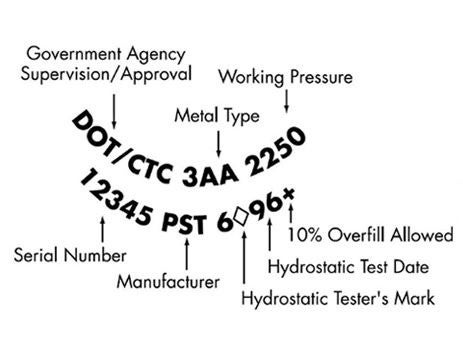
The Department of Transportation establishes mandatory guidelines that apply whether you’re moving cylinders commercially or personally, with violations potentially resulting in substantial fines. These regulations require proper cylinder labeling, secure restraint methods, appropriate vehicle ventilation, and personnel knowledge of emergency procedures—creating a comprehensive safety framework that minimizes risks associated with transporting compressed gases on public roadways.
Mandatory Labeling Requirements for Transport
All cylinders must display current, legible labels identifying gas contents and associated hazards before leaving your property. Check that your cylinder’s labeling hasn’t faded or peeled during previous uses, as damaged or missing labels violate DOT regulations. If labels are compromised, contact your gas supplier for replacement before transport—never assume authorities will accept verbal explanations about cylinder contents.
Proper Cylinder Securing Standards Explained
DOT regulations specify that cylinders must be secured to prevent movement in all directions during transport. This means preventing rolling side-to-side, sliding forward-backward, and tipping over—requiring multiple restraint points rather than a single strap. Ratchet straps with appropriate working load limits provide the most reliable securing method, with two straps minimum for most cylinders: one preventing longitudinal movement and another addressing lateral movement.
Ventilation Requirements by Vehicle Type
Enclosed vehicles like sedans and SUVs require special ventilation considerations that open pickup beds don’t. When transporting cylinders in enclosed spaces, keep windows partially open to maintain air circulation, particularly during longer trips. Never transport cylinders in completely sealed spaces like car trunks, as slow leaks could accumulate to dangerous levels without your awareness. For pickup trucks with hard tonneau covers, treat the configuration similarly to enclosed vehicles regarding ventilation needs.
Transport Welding Gas in Sedans Properly
Passenger cars present unique challenges for welding gas transport due to limited cargo space, but with proper technique, sedans safely move cylinders without commercial equipment. When rear seats fold down, the cargo area provides the most straightforward transport option—lay the cylinder horizontally with valve cap secured, then use existing seatbelts as primary restraints by threading them through the buckle to lock in place. One professional welder reports wrapping seatbelts around cylinders in his Taurus, creating a surprisingly secure system that takes advantage of factory-installed anchor points designed for passenger safety.
Floorboard Placement Techniques for Maximum Stability
For vehicles where rear seats don’t fold, position smaller cylinders on the floorboard behind the passenger seat for optimal stability. Use moving blankets or pillows to fill small gaps and prevent rolling—some users jam wadded material into the 1.5-inch space behind the center console to completely immobilize the cylinder. The key is creating friction points that prevent movement in all directions while protecting both the cylinder and your vehicle interior from damage.
What to Do When Rear Seats Don’t Fold Down
Diagonal placement across the back seat may accommodate cylinder length when floorboard positioning isn’t possible. This configuration requires additional securing points to prevent both sliding and rolling. Place soft materials like old coats between the cylinder and seat backs, then use ratchet straps anchored to seat tracks to prevent forward movement. Always position the valve end toward the front of the vehicle for easier access in case of emergency and to keep potentially hazardous valve assemblies away from passenger areas.
Safely Move Gas Cylinders in Pickup Trucks
Pickup trucks provide the most straightforward platform for welding gas transport, with open beds offering excellent ventilation and multiple anchor points for restraints. For horizontal transport in pickup beds, place wood blocks on each side of the cylinder to prevent rolling, then secure with ratchet straps across the top. One effective solution involves constructing wooden cradles with 20cm diameter arcs cut to match cylinder curvature—creating channels that cylinders sit in securely while providing attachment points for straps.
Positioning Valves Toward the Cab for Safety
Always orient cylinders with valve ends toward the truck cab during transport, keeping valve assemblies away from the rear of the vehicle where they might be more vulnerable to impact or road debris. Strapping cylinders so they cannot move side-to-side between the wheel wells and tailgate addresses the primary axes of potential movement in this configuration. Use bed anchor points, the bed floor, and the cab bulkhead as multiple secure connection locations for redundancy.
Custom Rack Solutions for Upright Transport
Some professionals install custom racks that secure cylinders in upright positions, eliminating rolling concerns entirely. These racks typically tie into the truck bed’s existing tie-down system and incorporate clamping mechanisms that hold cylinders firmly in place. Vertical transport requires racks rated for specific cylinder weights and sizes, but provides superior security for longer trips or rough road conditions where horizontal cylinders might experience excessive movement.
Avoid Critical Transport Mistakes
Preventing common errors stops most transportation incidents before they occur. Moving cylinders without valve caps represents the most frequent and dangerous mistake—caps protect valves from impact damage, prevent debris entry, and provide secure attachment points for restraints. Operating without caps significantly increases valve damage risk, potentially transforming a secured cylinder into a hazardous projectile during sudden stops.
Inadequate Securing: The Most Common Hazard
Using insufficient restraints or failing to properly tension straps creates dangerous conditions that many welders underestimate. A cylinder that can roll, slide, or shift becomes a serious hazard during sudden stops or accidents—taking extra time to ensure proper securing protects both you and other road users. Check tension before departure and periodically during long trips, as vibration can gradually loosen straps despite initial proper installation.
Recognizing Damaged Cylinders Before Transport
Never transport cylinders showing signs of corrosion, dents, or other damage—they require inspection by qualified personnel before continued use. Damaged cylinders risk catastrophic failure during transport, potentially causing gas release or explosion. Regularly inspect your cylinders for damage before each transport, paying special attention to the shoulder area near the valve where impacts commonly occur. If you notice any damage, contact your gas supplier immediately rather than risking transport.
Handle Different Gas Types Correctly
Each welding gas requires specific transportation considerations that affect your safety protocols. Argon and other inert gases present fewer special requirements than reactive gases, but still demand proper securing and valve protection. These gases don’t support combustion, making them safer to handle in various configurations, though they can displace oxygen in enclosed spaces if released—maintaining reasonable ventilation during transport remains essential.
Oxygen Tank Safety: Fire Risk Prevention
Oxygen tanks require additional precautions due to oxygen’s ability to accelerate combustion. While oxygen itself isn’t flammable, it makes other materials burn more vigorously and quickly, creating increased fire risk. Keep oxygen tanks away from flammable materials including oils, greases, and combustible cargo. Ensure excellent ventilation during transport, as oxygen accumulation from slow leaks creates fire hazards in oxygen-enriched environments where normally non-flammable materials can ignite easily.
Acetylene Cylinder Transport with Porous Mass
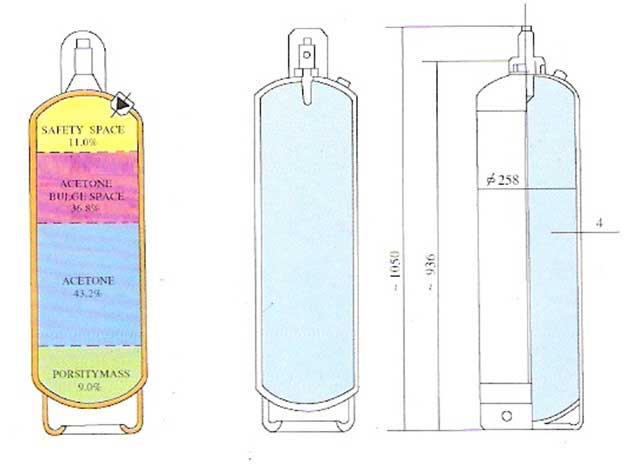
Acetylene cylinders require special handling due to their internal porous monolithic mass soaked with acetone solvent. Laying acetylene cylinders on their side can cause liquid acetone to migrate, potentially damaging regulators and equipment. Industry experts strongly recommend keeping acetylene cylinders upright at all times during transport—if horizontal positioning is unavoidable, stand the cylinder upright for several hours before use to allow proper settling of the acetone-acetylene mixture.
Master Loading and Unloading Techniques
Proper loading and unloading techniques prevent injury and cylinder damage during handling transitions. The recommended approach involves positioning the cylinder valve-first into the cargo area, then rocking it to lower the base gradually—working with the cylinder’s natural balance point rather than fighting against it. When loading, tilt the cylinder so the base is elevated, then guide the base into the vehicle while lowering the valve end.
The Rocking Method for Safe Manual Handling
Unloading reverses this process—slide the base out toward the opening until reaching the balance point where the cylinder wants to tip forward, then control the descent carefully. Moving slowly and deliberately throughout prevents sudden shifts that cause injuries or damage. Having a spotter guide you during these procedures prevents missteps and ensures cylinders go exactly where intended, particularly important when working alone.
Using Tires as Emergency Roll Barriers
Old tires provide an effective, inexpensive solution for preventing cylinder movement during transport. Dropping used tires next to cylinders in pickup beds creates barriers that prevent rolling—particularly useful for temporary or occasional transport scenarios. Position the cylinder in the bed, then place tires on the sides where movement would be undesirable. The tires absorb shock if the cylinder shifts, prevent rolling, and can be easily repositioned without tools or modifications.
Extend Your Cylinder Lifespan with Proper Care
Regular inspection and maintenance keep cylinders safe and serviceable for years of reliable use. Before each transport, visually inspect cylinders for damage, check that valves close properly, and verify that caps function correctly. Inspect straps, chains, and other securing equipment for wear, fraying, or damage that could compromise their strength during transit.
Regular Inspection Checklist Before Transport
Establish a pre-transport checklist that includes examining cylinder shoulders for dents, verifying valve operation, checking for corrosion, and confirming cap integrity. Pay special attention to the cylinder’s expiration date for hydrostatic testing—DOT regulations require periodic requalification, and transporting out-of-date cylinders violates safety regulations. Working with a reputable gas supplier ensures compliant cylinders during fills and exchanges.
Storage Requirements Between Uses
Store cylinders upright and secured to prevent tipping when not in transport. Keep them in well-ventilated areas away from heat sources and combustible materials. Separate oxygen cylinders from flammable gases by at least 20 feet or use a fire-rated barrier. Label cylinders clearly and maintain tags indicating contents and status—proper storage between uses maintains cylinder condition and safety, preventing damage that could compromise future transport.
Transporting welding gas cylinders safely requires attention to multiple factors including regulatory compliance, proper securing techniques, and gas-specific considerations. By understanding cylinder specifications, following established safety protocols, and applying these proven techniques, you can move welding gas safely regardless of vehicle type or cylinder size. The key principles remain consistent across all scenarios: keep valve caps in place, secure cylinders to prevent all movement, maintain appropriate ventilation, and handle cylinders using proper techniques. Following these fundamentals provides the foundation for incident-free welding gas transportation every time you hit the road.
Leave a Reply