
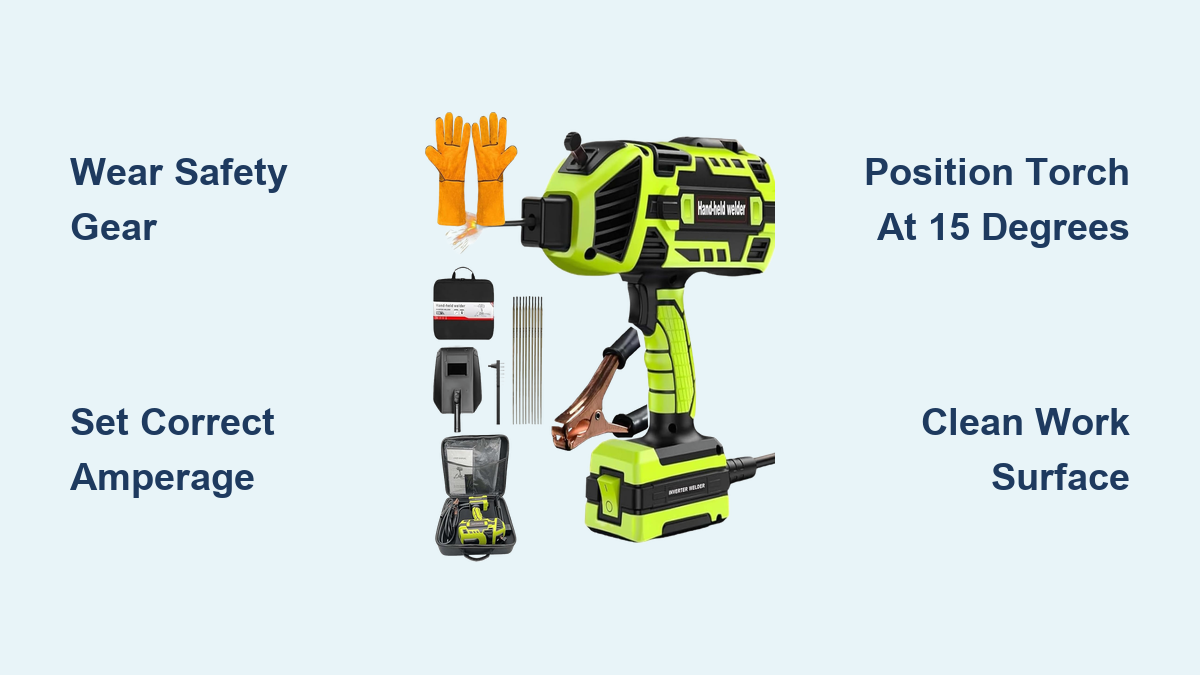
Nothing frustrates DIYers more than buying a portable welder only to struggle with basic operation—especially when your Saker portable welder sits unused because you can’t figure out how to get consistent, clean welds. This compact powerhouse runs on standard household electricity yet delivers professional results when you know how to use a Saker portable welder correctly. Unlike bulky industrial units requiring dedicated circuits, this machine transforms your garage into a fabrication shop, but only if you master the right setup, parameters, and technique. Skip the trial-and-error headaches—this guide delivers exactly what you need to produce strong, reliable welds from your first session.
Before you strike an arc, understand that welding success depends equally on your preparation and machine operation. The Saker portable welder’s accessibility makes it perfect for weekend warriors and mobile professionals, but improper use creates dangerous conditions and disappointing results. This guide walks you through every critical step—from essential safety protocols to parameter adjustments that eliminate porosity and burn-through—so you can confidently tackle automotive repairs, farm equipment fixes, or custom metal projects without relying on expensive welding shops.
Essential Safety Gear for Saker Portable Welder Operation
Welding without proper protection risks severe eye damage from UV radiation and painful burns from molten metal spatter within seconds. Before learning how to use your Saker portable welder, assemble this non-negotiable safety kit: a welding helmet with appropriate shade (minimum #10 for 120A operations), MIG welding gloves that balance dexterity with heat resistance, and 100% cotton clothing covering all exposed skin. Never wear synthetics like polyester that melt onto skin when exposed to sparks.
Your auto-darkening helmet must activate within 1/20,000th of a second to protect your eyes—test it by striking a short arc in a dark room to verify immediate darkening. For gloves, choose goatskin over pigskin for better heat resistance during extended welding sessions. Check your work boots for heat-resistant soles that won’t melt when hot metal drops—a critical detail many beginners overlook when setting up their first welding station.
Optimize Your Workspace Before Welding
A poorly prepared workspace causes 60% of beginner welding failures through inadequate ventilation, unstable workpieces, or electrical hazards. Position your Saker portable welder on a concrete floor—not wood—away from flammable materials like rags, solvents, or cardboard. Maintain at least 36 inches of clearance around the machine for proper cooling airflow, and never drape welding cables over the unit where heat buildup could damage insulation.
For outdoor welding, build a simple windbreak using scrap metal sheets positioned 18-24 inches from your work area—this blocks breezes that disrupt shielding gas coverage without creating dangerous gas pockets. Inside garages, install a 200 CFM exhaust fan at the highest point of your workspace to pull fumes upward and away from your breathing zone. Most beginners underestimate how quickly welding fumes accumulate in enclosed spaces, leading to headaches and reduced visibility.
Correct Power Connection for Saker Portable Welder
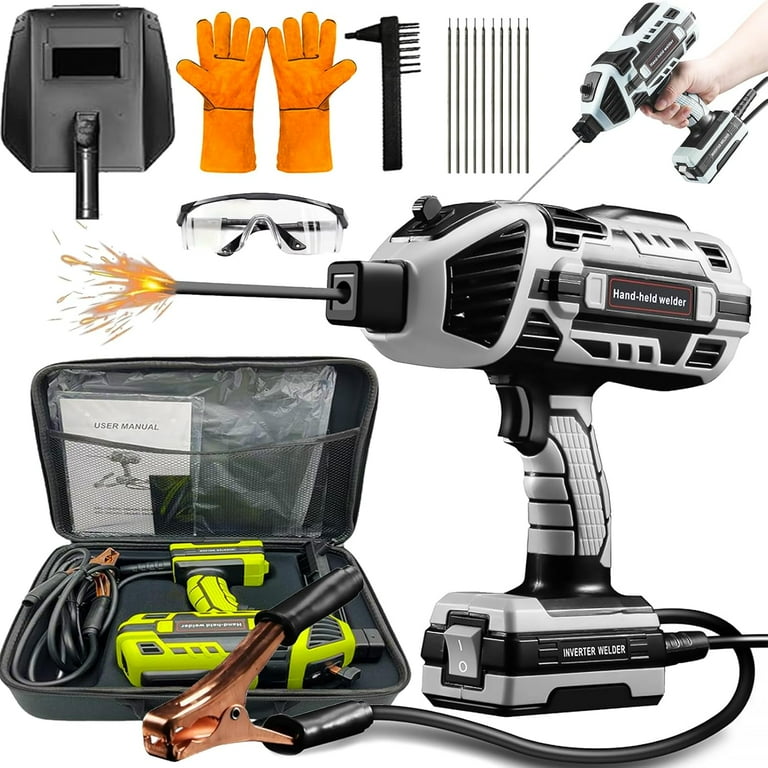
Connecting your Saker portable welder to an undersized circuit causes voltage drops that create erratic arcs and poor weld penetration. Verify your unit requires 120V input (standard on most portable models) and plug directly into a dedicated 20-amp circuit whenever possible. If using an extension cord—which you must for most home setups—choose a 10-gauge cord for runs under 50 feet, and always unroll the entire length to prevent overheating from coiled sections.
Before powering on, inspect your power cord for nicks or frayed sections near the plug—these common damage points create shock hazards when handling the welder with sweaty gloves. If your unit displays error code “E01” during startup, immediately disconnect power and check for loose connections in your household circuit; this indicates insufficient voltage reaching the machine. Never operate the welder with a damaged power cord, as internal components can overheat within minutes.
Set Perfect Amperage for Your Material Thickness
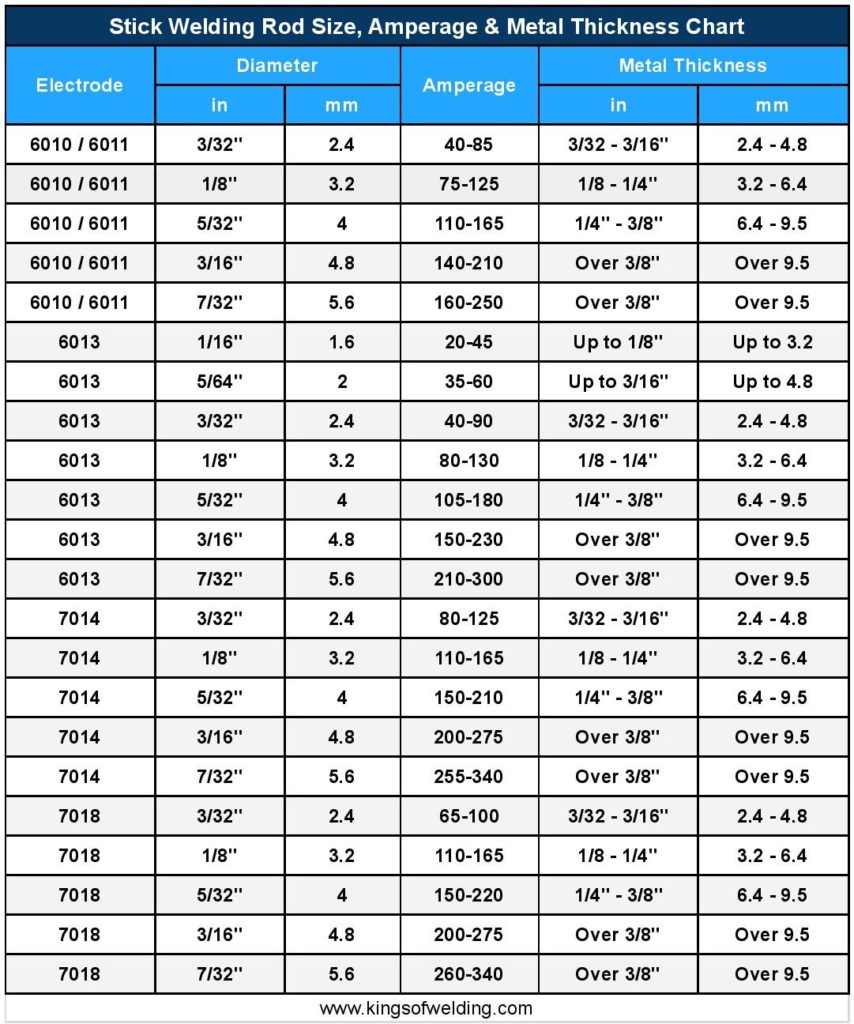
Most failed welds stem from incorrect amperage settings—too high causes burn-through on thin metal, while too low creates weak, cold welds. For 18-gauge steel (common in auto body work), start at 70-80 amps; for 1/8-inch material, use 90-100 amps. Adjust in 5-amp increments while testing on scrap pieces until you achieve a weld pool that flows smoothly without excessive spatter or irregular bead patterns.
When welding aluminum, increase amperage by 25% compared to steel of equivalent thickness and enable the unit’s AC mode if available. For rusty or painted metal, boost amperage 10-15% to burn through contaminants, but expect increased spatter—always clean surfaces properly for production welds. If your weld bead looks like stacked dimes with deep grooves between ripples, reduce travel speed rather than increasing amperage, which is the most common beginner mistake.
Master Torch Positioning for Clean Welds
The 15-degree push angle creates optimal shielding gas coverage and bead appearance when learning how to use a Saker portable welder. Hold the torch so the contact tip sits 1/4 inch from the workpiece—any closer causes stubbing, while farther distances create weak, porous welds. Practice moving at 6-8 inches per minute on horizontal surfaces; this pace produces the classic “stacked dime” bead texture indicating proper heat input.
For vertical welding, tilt the torch 5-10 degrees upward and use a slight “whipping” motion lifting the arc momentarily to control the molten pool. Beginners often travel too slowly on vertical welds, causing the pool to sag—watch for shiny, fluid metal drooping below the joint as your warning sign. When welding corners, pause slightly at the apex to ensure complete fusion without burning through the thin edge.
Execute Flawless Welds with Proper Technique
Strike your arc 1/2 inch ahead of the intended start point, then smoothly pull back to begin welding—this prevents excessive cratering at the weld start. Maintain consistent travel speed by placing your non-welding hand on the workpiece for stability, and keep your elbow anchored against your body to minimize shaking. For joints wider than 3/8 inch, use a “weaving” motion with the torch moving side-to-side in a narrow “Z” pattern to ensure complete coverage.
If you see dark streaks in your weld bead, immediately stop and clean the surface—this indicates inadequate gas coverage or contaminated metal. Always end welds with a slight back-and-forth motion to fill the crater and prevent cracking. Allow welds to cool naturally for at least 2 minutes before handling; quenching with water creates brittle micro-fractures that compromise strength.
Inspect Welds for Critical Quality Indicators
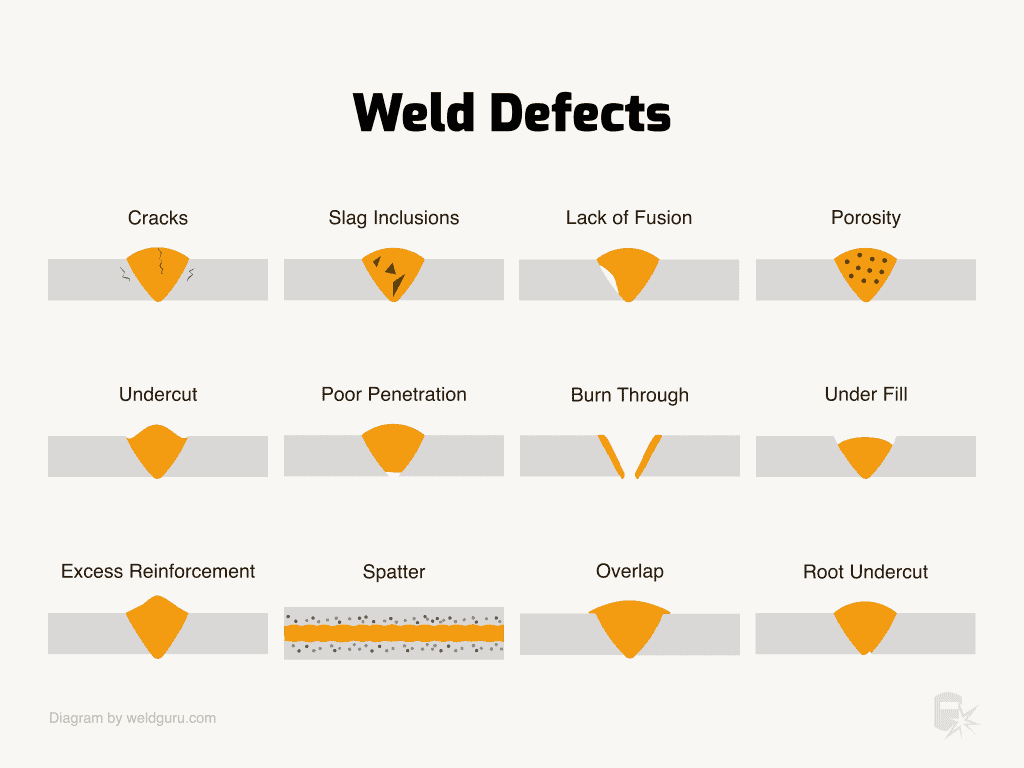
A quality weld shows consistent ripple patterns with no gaps between beads and complete fusion at both edges of the joint. Run your gloved finger along the weld toe—if you feel a sharp lip or undercut, your travel speed was too fast or amperage too low. Surface porosity appears as small pinholes and typically indicates contaminated base metal or insufficient shielding gas flow.
For structural applications, perform a simple bend test on practice coupons: clamp the welded piece in a vise and strike with a hammer at the weld location. A properly fused weld will bend 180 degrees without cracking at the weld interface. If cracks appear at the weld toe, increase your amperage slightly and reduce travel speed for deeper penetration into the base metal.
Perform Essential Maintenance After Each Use
Wipe down your Saker portable welder with a dry microfiber cloth after every session, paying special attention to ventilation ports clogged with metal spatter. Remove the welding gun and inspect the contact tip daily—replace it when the opening becomes oval-shaped or larger than 1/16 inch beyond the wire diameter. Clean the liner monthly by feeding welding wire through while applying penetrating oil to remove built-up residue.
Check your ground clamp connection weekly for corrosion or loose screws that create electrical resistance. Store the machine in a dry location with temperatures between 40-100°F—extreme cold makes internal components brittle while humidity causes corrosion on electrical contacts. Properly maintained Saker units deliver 5+ years of reliable service, but neglecting these simple steps can cut lifespan in half.
Pro Tip: Keep a dedicated “welding log” notebook tracking amperage settings, wire speed, and results for different materials—this becomes your personalized reference guide eliminating guesswork on future projects. Remember that mastering how to use a Saker portable welder takes practice, but following these precise steps ensures consistent, professional-quality results from your very first project. Start with simple butt joints on scrap metal, gradually progressing to more complex techniques as your confidence grows. With proper setup and technique, your portable welder becomes the most versatile tool in your workshop.
Leave a Reply