
Nothing disrupts your welding flow like spending more time scraping hardened spatter off your workpiece than actually welding. Those tiny molten metal droplets that splatter during welding bond instantly to surfaces, creating a nightmare cleanup scenario that eats into your productivity. Learning how to use welding anti-spatter spray properly transforms this tedious chore into a simple wipe-down, saving you valuable time while protecting your expensive equipment. This essential product creates a barrier that prevents spatter from sticking in the first place, letting those molten particles fall away cleanly instead of fusing permanently to your work surface. Whether you’re a hobbyist working in your garage or a professional welder in a production environment, mastering anti-spatter spray application will significantly improve your workflow efficiency and weld quality.
Stop Spatter from Ruining Your Welding Projects
Welding anti-spatter spray works by creating a protective chemical barrier between molten metal particles and surfaces they would otherwise bond to. When applied correctly before welding, this thin film prevents those annoying “BBs” of spatter from adhering to your workpiece, welding table, and critical torch components. Most formulations contain silicone compounds suspended in either water-based or petroleum-based solvents that evaporate quickly, leaving behind only the protective layer that keeps spatter from sticking.
The time savings alone make learning how to use welding anti-spatter spray worth your while—welders report cutting cleanup time by up to 70% compared to wrestling with hardened spatter on unprotected surfaces. Beyond saving minutes per weld, this product dramatically extends the life of your consumables. Spatter buildup in torch nozzles causes erratic wire feeding, inconsistent arcs, and premature contact tip failure. By preventing this accumulation, anti-spatter spray protects your investment in quality welding equipment while delivering cleaner-looking finished products that require less post-weld grinding and finishing.
Why Anti-Spatter Spray Outperforms Alternative Methods
Compared to makeshift solutions like soap bars or makeshift sprays, purpose-formulated anti-spatter products deliver consistent, reliable protection without compromising weld integrity. DIY alternatives often introduce contaminants that cause porosity or weaken the weld joint, while commercial anti-spatter sprays are specifically engineered to withstand welding temperatures without breaking down or contaminating the weld pool. Professional formulations also offer targeted application options—sprays for work surfaces and gels for torch components—that address specific spatter challenges in your workflow.
Select the Best Anti-Spatter Product for Your Application
Choosing the right anti-spatter solution depends on your specific welding process, materials, and environmental considerations. Understanding the differences between available formulations ensures you get maximum protection without creating new problems for your workflow.
Water-Based vs. Solvent-Based Anti-Spatter Sprays
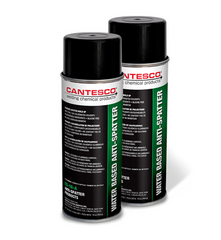
Water-based anti-spatter sprays have become increasingly popular due to their lower environmental impact and reduced chemical exposure. These formulations work exceptionally well for most standard MIG welding applications and require minimal ventilation. They clean up easily with water after welding, making them ideal for shops concerned about chemical disposal. However, they may require slightly more frequent reapplication during extended welding sessions compared to solvent-based alternatives.
Solvent-based sprays deliver powerful spatter protection through their aggressive chemical composition but require adequate ventilation. These products excel in high-heat applications and tend to last longer between applications. If you work in an enclosed space, ensure proper airflow before using solvent-based products, as concentrated fumes can cause respiratory irritation during extended use.
When to Choose Gel Formulations Over Sprays
Gel anti-spatter products solve a specific problem that liquid sprays can’t address effectively: vertical and overhead welding. Their thicker consistency prevents runoff on angled surfaces, providing continuous protection where liquid sprays would simply drip away. Gels work particularly well when applied directly to warm torch tips and nozzles, creating a barrier that withstands gravity’s pull during challenging welding positions. For production environments where welders frequently work above their heads, gel formulations can dramatically reduce spatter-related interruptions.
Prepare Your Workspace for Optimal Anti-Spatter Results
Skipping proper preparation before applying anti-spatter spray guarantees subpar results and wasted product. Taking these critical steps ensures the protective barrier performs as designed throughout your welding session.
Clean Surfaces Thoroughly Before Application
Wipe down all work surfaces and torch components with a clean, dry cloth to remove dust, oil, rust, or previous spatter buildup. Any contamination creates weak points in the protective barrier where spatter can still bond directly to the surface. For stubborn residue on torch nozzles, use a wire brush specifically designed for consumable cleaning—never use the same brush on workpieces to avoid cross-contamination.
Shake Products Vigorously Before Use
Hold the anti-spatter can firmly and shake for 30-60 seconds until you hear the mixing ball moving freely inside. This critical step ensures any settled active ingredients are properly suspended in the solvent, guaranteeing consistent coverage and maximum effectiveness. Skipping this step results in uneven protection where some areas receive mostly solvent with minimal active ingredients.
Apply Liquid Anti-Spatter Spray Like a Professional
Mastering the correct spray technique separates welders who get consistent results from those who wonder why their anti-spatter product seems ineffective. Follow these precise steps for optimal performance.
Perfect Your Spray Distance and Coverage
Hold the can 6-12 inches from the target surface and apply with smooth, overlapping passes—never saturate the area. The ideal coating looks like light morning dew on grass: barely visible but completely uniform. Excessive application creates runoff that can drip into your weld pool, causing porosity and weakening the joint. For robotic applications, set spray duration to exactly 0.5 seconds; longer durations indicate improper sprayer positioning rather than insufficient coverage.
Avoid These Common Spray Application Mistakes
Watch for these warning signs that you’re applying anti-spatter spray incorrectly:
– Visible pooling or dripping on vertical surfaces
– White residue remaining after the solvent evaporates
– Spatter still bonding in certain areas despite application
– Unusual sputtering or popping sounds during welding
If you notice any of these issues, reduce your application amount and ensure surfaces are properly prepared before reapplying.
Master Gel Application for Torch Components

Gel anti-spatter products require a specialized technique that differs significantly from liquid sprays. Follow this exact procedure for maximum protection on your torch consumables.
The Correct Gel Application Process
- Run 2-3 inches of practice weld on scrap metal to warm your contact tip and nozzle
- Dip the warm consumables approximately 1 inch into the gel container
- Hold vertically for 5-10 seconds to allow excess gel to drip back into the container
- Weld a small bead on scrap metal to use up gel-coated wire before starting your actual project
This precise method ensures the gel adheres properly to warm surfaces without dripping into your weld zone. Reapply gel whenever you notice spatter beginning to accumulate on your torch components—typically every 15-20 minutes during continuous welding.
Optimize Automated Welding Cell Performance
Robotic welding operations demand specific anti-spatter protocols to maintain consistent production quality and prevent costly downtime.
Position Spray Applicators for Maximum Coverage
Mount spray nozzles at the precise distance specified by your equipment manufacturer—usually 1-2 inches from the welding nozzle. Test coverage by performing a dry run without welding current, then inspect the nozzle for uniform coating. If coverage appears patchy, adjust the sprayer position incrementally until you achieve complete, even coverage without overspray.
Maintain Spray Containment Systems Properly
Clean the O-rings and internal screens of your spray containment units weekly using compressed air to prevent clogs that disrupt proper spray patterns. Drain collected runoff into appropriate hazardous waste containers according to local regulations—never reuse collected anti-spatter liquid, even if it appears clean, as it likely contains metal contaminants.
Clean Up Efficiently After Welding
When you’ve learned how to use welding anti-spatter spray correctly, post-weld cleanup becomes almost effortless. Spatter particles remain loose on treated surfaces and wipe away with minimal effort.
The 30-Second Torch Maintenance Routine
After completing your welding, spend just 30 seconds maintaining your torch:
1. Wipe nozzle and diffuser with a clean cloth
2. Use welding pliers to clear any minor spatter accumulation
3. Inspect contact tip for wear indicators
4. Apply fresh anti-spatter for your next session
This quick routine prevents minor buildup from becoming major problems that require consumable replacement.
Avoid These Costly Anti-Spatter Mistakes
Even experienced welders sometimes make these preventable errors that compromise anti-spatter effectiveness.
Silicone Residue Interference with Post-Weld Processes
If your welded project requires painting or powder coating, avoid silicone-based anti-spatter products. The residue they leave behind creates adhesion problems that cause coatings to peel or bubble. Instead, use water-based anti-spatter and perform a simple wipe-down with isopropyl alcohol before applying any finish.
Overapplication That Weakens Weld Integrity
Excessive anti-spatter spray creates steam pockets in your weld as the water content vaporizes, resulting in porosity that weakens the joint. Apply only enough to create a uniform sheen—less is always more when learning how to use welding anti-spatter spray effectively.
Integrate Anti-Spatter Into Your Complete Welding Workflow
Anti-spatter spray delivers maximum benefits when incorporated into a comprehensive approach to welding excellence. Pair proper anti-spatter application with correct machine settings and technique to minimize spatter generation at the source.
Combine Anti-Spatter with Optimal Welding Parameters
Adjust your voltage and wire feed speed to achieve a stable arc that naturally produces less spatter. When paired with proper anti-spatter application, this dual approach creates the cleanest possible welds with minimal post-weld cleanup. As a general rule, increase voltage slightly when using anti-spatter products, as the protective barrier can sometimes require minor parameter adjustments for optimal results.
Final Note: Mastering how to use welding anti-spatter spray effectively transforms one of welding’s most frustrating aspects into a minor consideration. By selecting the right product, preparing surfaces properly, applying with precision, and avoiding common mistakes, you’ll save significant time while protecting your equipment and improving weld quality. Implement these techniques consistently, and you’ll wonder how you ever welded without this simple but powerful solution. For best results, make anti-spatter application part of your standard pre-weld checklist—just like verifying your machine settings and inspecting consumables.
Leave a Reply