
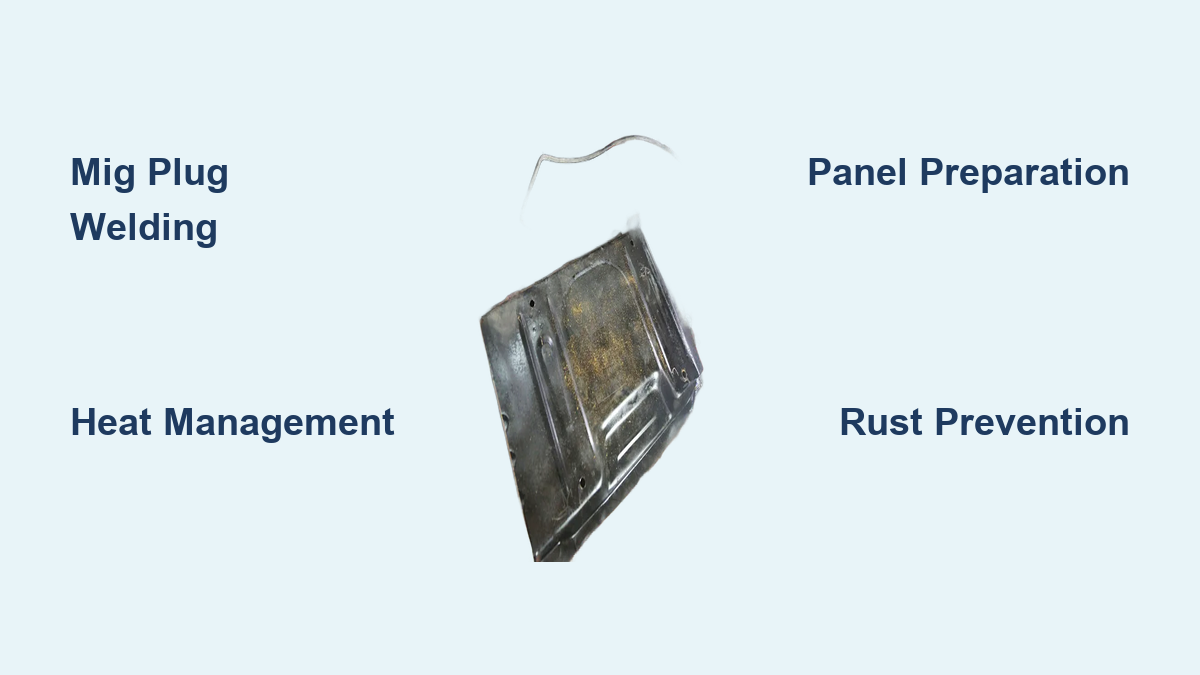
Your vehicle’s floor pan has finally succumbed to rust, creating dangerous holes where moisture and road salt have eaten through the thin metal. Learning how to weld a floor pan properly transforms this common automotive problem from a death sentence into a manageable repair that restores structural integrity and prevents further corrosion. With the right techniques, you can complete this critical repair yourself for a fraction of professional shop costs while gaining valuable metalworking skills. This guide shows you exactly how to weld a floor pan correctly, whether you’re restoring a classic muscle car, fixing daily driver rust, or working on a vintage Volvo P1800.
Before you fire up your welder, understand that most factory floor pans use 18-22 gauge steel—a thickness that demands careful heat management to avoid warping or burning through. The techniques described here apply to passenger cars, trucks, and classic vehicles, though specific panel sourcing varies by make and model. By following these proven methods, you’ll create a repair that lasts decades rather than months, with structural integrity matching or exceeding factory specifications.
Select the Right Welding Equipment for Thin Gauge Steel

Your MIG welder selection makes or breaks your floor pan repair success. A 110-volt machine with .023 or .024 inch wire diameter provides optimal control for 18-22 gauge steel without overwhelming the thin material. Lincoln, Miller, Hobart, and HTP all offer reliable machines suitable for DIYers, with the HTP 130 earning popularity for its balance of portability and performance. Use a 75% argon/25% CO2 shielding gas mix for cleaner welds with less spatter compared to flux-core alternatives.
Your essential tools beyond the welder include:
– Metal drill with 1/4″ to 3/8″ bits for plug welding holes
– Die grinder with flap discs for metal removal and cleanup
– Sheet metal screws for temporary panel fastening
– Spring clamps and C-clamps with protective jaws
– Welding helmet, leather gloves, and safety glasses
Pro Tip: Practice on scrap metal of matching thickness before starting your actual repair. The distinctive “buzz” sound indicates proper wire speed, torch angle, and heat settings for adequate penetration without burning through.
Choose Your Floor Pan Welding Method Wisely
MIG Plug Welding for Most DIYers
MIG plug welding delivers the best balance of control and strength for most floor pan repairs. Drill 1/4″ holes spaced 1″ apart around the replacement panel perimeter, then weld through these holes to join both panels. This technique replicates factory spot welds while providing superior mechanical lock. Set your welder “hotter” than typical thin metal settings to ensure penetration through both layers—position the weld at the hole edge and draw the molten pool toward the center for complete fusion.
Oxyacetylene Alternative for Experienced Welders
Oxyacetylene welding produces aesthetically pleasing plug welds that some experts claim exceed electric spot welds in strength. Use a neutral flame with a number 3 tip, employing an ovaling motion while dipping welding rod into the molten pool. This method demands significant practice but offers excellent heat control—experienced welders use wet rags against the backside to dissipate heat and prevent warping on 1mm material.
Spot Welder Option for Serious Enthusiasts
A 240-volt spot welder with 6-inch jaws creates factory-quality spot welds without drilling holes, though limited jaw access restricts its use in tight areas. The consistent quality often justifies the equipment investment if you plan extensive bodywork, eliminating many challenges associated with MIG plug welding.
Source Quality Replacement Panels Before Starting
Factory replacement panels from specialists like Vintage Import Parts provide correct gauge material and proper formation for specific vehicles, though they cost more than aftermarket alternatives. When selecting panels, inspect material thickness and formation accuracy—some aftermarket panels function as “filler holders” rather than true structural replacements.
For DIY panel fabrication, raw sheet metal requires additional work to match factory specifications:
– Use 18-22 gauge steel matching surrounding material thickness
– Create structural ribs with a bead roller (available at local sheet metal shops)
– For truck beds, consider pre-formed patch panels or fabricate flat sections with bent flanges
Critical Mistake to Avoid: Never weld thicker material directly against thinner original panels without transitioning the thickness—this creates stress points prone to future cracking.
Prepare the Work Area Thoroughly Before Welding

Complete interior component removal—seats, carpeting, center consoles, and trim—provides necessary access and prevents fire hazards. Strip all rust from existing panels and contact surfaces to bare metal; rust creates barriers to proper weld penetration and traps moisture for future corrosion. Apply weld-through primer (3M or SEM products work well) to overlapping areas before welding, but clean primer from actual weld locations to ensure quality fusion.
Ensure proper electrical grounding by attaching your welder’s ground clamp to clean, bare metal. When access proves difficult, temporarily attach the clamp to the panel itself and cut it off after welding completion—this maintains consistent grounding throughout your repair.
Execute Plug Welding Technique Properly
Drill 1/4″ holes spaced approximately 1″ apart around the replacement panel perimeter, with closer spacing in high-stress areas. Position the weld at the hole edge rather than center, drawing the molten pool toward the middle to ensure fusion with both panels. This creates a mechanical lock that provides strength equal to or exceeding factory spot welds.
Time Estimate: Allow 20-30 minutes to complete plug welding on a single floor section, depending on size and complexity. Move systematically around the panel to distribute heat evenly and minimize warping.
Prevent Warping with Strategic Heat Management
Warped floor pans ruin your repair aesthetics and compromise fitment. Combat this by:
– Using the lowest effective heat setting that ensures penetration
– Welding in 4-inch sections with cooling breaks between
– Alternating sides of the panel during welding sequence
– Employing the “hammer and dolly” technique immediately after welding each section
If warping occurs despite precautions, flatten high spots with hammer and dolly while the panel remains warm, or apply localized heat to low areas followed by careful hammering. Severe warping may require cutting and re-welding affected sections—a last resort after other correction methods prove insufficient.
Secure Panels During Welding with Proper Techniques
Sheet metal screws provide the most reliable temporary fastening—place self-tapping screws every 1.5-2 inches along the perimeter to pull panels tight together. Remove screws progressively as you weld adjacent areas to maintain consistent pressure without obstructing your work. Where screw placement proves impractical, use spring clamps or C-clamps with protective jaws to prevent marring.
For panels contacting frame rails or structural members, create initial tacks spaced approximately 1 inch apart before completing full welds. This temporary fastening allows minor adjustments while preventing panel shifting during the welding process.
Apply Critical Rust Prevention After Welding
Seam sealer application represents the final, crucial step many DIYers neglect. Apply urethane seam sealer to both top and bottom sides of all welded joints where accessible—this creates moisture barriers that prevent future rust formation at the weld edges. Clean any burned weld-through primer before sealing, as most cannot be painted over and may affect sealer adhesion.
Following sealer application, apply epoxy primer to the entire repaired area before adding any topcoat. For interior finishing, vinyl flooring provides superior moisture resistance compared to carpeting—particularly valuable for vehicles exposed to winter driving conditions. The formed vinyl sections available for specific vehicles match floor pan contours perfectly, though universal vinyl may require trimming.
Budget Realistically for Your Floor Pan Project
Expect 20-30 hours for complete floor pan replacement including preparation and finishing—this substantial time investment saves thousands compared to professional body shop rates. Material costs vary significantly:
– Factory replacement panels: $200-$500 per section
– Aftermarket panels: $100-$300 per section
– Raw sheet metal: $50-$150 depending on thickness and size
If you don’t already own welding equipment, factor in the cost of a quality 110-volt MIG welder ($300-$600). This investment typically pays for itself within your first major project when compared to professional labor rates. Always practice on scrap material matching your floor pan thickness before starting the actual repair—this prevents costly mistakes and builds confidence in your technique.
Final Pro Tip: When encountering stubborn T50 Torx seat belt bolts during interior removal, apply penetrating oil overnight and use an impact wrench at medium settings—this vibrates bolts loose without rounding the heads. Wire brush threads before oil application to remove built-up corrosion that prevents bolt movement.
Leave a Reply