
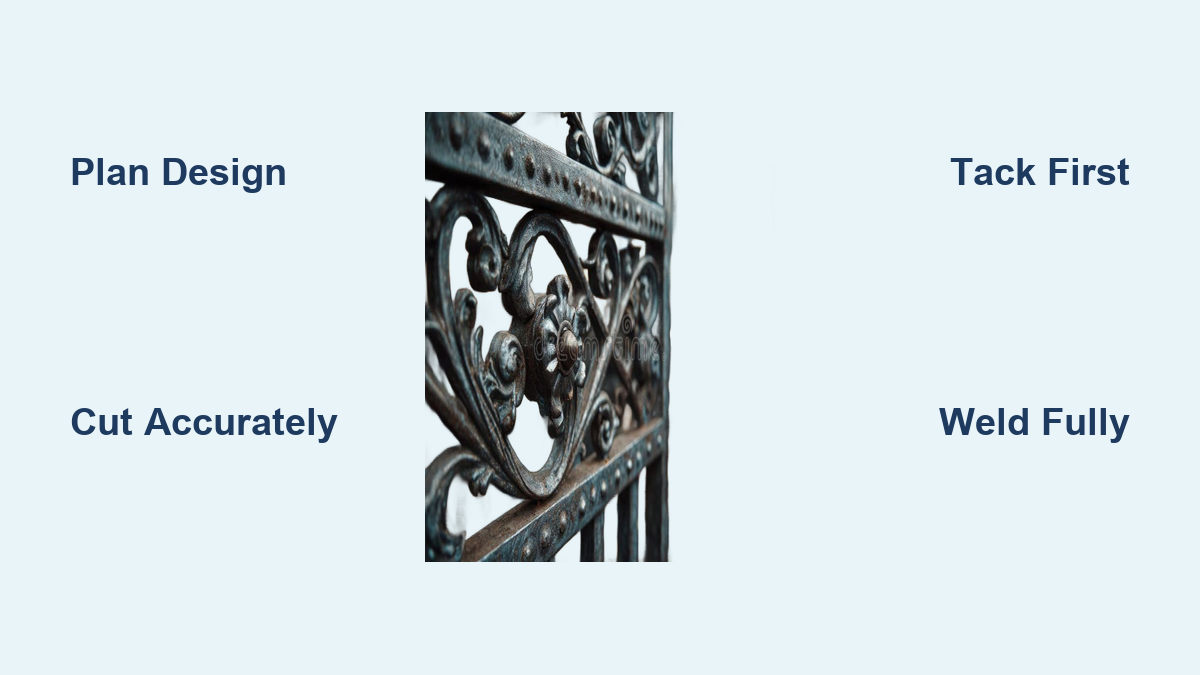
Nothing beats the satisfaction of creating a sturdy, custom gate with your own hands that will protect and enhance your property for decades. Whether you’re building a decorative garden entrance to complement your landscape or a heavy-duty driveway barrier for security, welding your own gate gives you complete control over design, materials, and craftsmanship. Unlike pre-fabricated alternatives that often require compromises, a properly welded gate delivers superior structural integrity and a professional appearance that reflects your personal skill. This guide walks you through the entire process of how to weld a gate from planning through installation, ensuring your final product operates smoothly and withstands years of weather and use.
Welding a gate successfully depends on careful attention to each phase of construction. Rushing measurements or skipping preparation creates compounding errors that become impossible to fix once metal meets metal. By investing time in proper design, material selection, and precise assembly techniques, you’ll create a gate that functions flawlessly and becomes a point of pride for your property. The following steps reveal professional techniques that transform basic welding skills into impressive gate fabrication capabilities.
Plan Your Gate Design Before Welding
Before cutting or welding begins, thorough planning prevents costly mistakes and ensures your finished gate meets both functional and aesthetic requirements. Gate design fundamentally depends on its intended purpose—ornamental garden gates typically range from 900mm to 1200mm wide and 1200mm to 1800mm tall, emphasizing decorative elements like scrollwork and custom patterns. Driveway gates require substantially different specifications, with minimum clear openings of 2400mm to 3000mm for vehicle access and structural reinforcement to handle wind loads.
Account for Site Conditions in Your Design
Sandy or loose soils demand deeper post footings than stable clay, while significant ground slope across the gate opening requires raked (angled) construction to maintain consistent ground clearance during swinging. Always verify underground utility locations before post hole excavation through your local notification service. Existing fence lines, building walls, or landscaping features may constrain hinge placement or gate swing direction, requiring design adjustments before materials purchase.
Calculate Precise Dimensions for Perfect Fit
Measure the clear opening width between posts at multiple heights, using the minimum dimension to ensure adequate clearance. For height, verify ground conditions at both hinge and latch positions to determine proper ground clearance—typically 50mm to 100mm above surface level. When building raked gates for sloping ground, calculate the exact angle using the inverse cosine of (rise divided by width), where rise equals the vertical height difference between post locations.
Select the Right Materials for Gate Construction
Material choice significantly impacts both construction difficulty and finished gate performance. Wrought iron remains the traditional choice for ornamental gates, offering excellent workability for decorative elements and producing distinctive textured welds many fabricators prefer for period-appropriate designs. Its natural corrosion resistance ensures longevity when properly maintained.
Steel Square Hollow Section for Structural Frames
For most residential gate frames, 40mm or 50mm square hollow section provides the ideal strength-to-weight ratio. When using pre-galvanized steel, 1.6mm wall thickness offers adequate strength while minimizing weight. For gates requiring hot-dip galvanizing after fabrication, select 3mm wall thickness to accommodate the zinc coating without compromising structural integrity.
Aluminum for Coastal or Automated Gates
Aluminum gates excel in corrosive environments or where reduced weight benefits automated operation. Select 3mm wall thickness square hollow section for structural equivalence to lighter-gauge steel. Aluminum requires different welding parameters and techniques than steel—its lower melting point demands careful heat control to prevent burn-through while producing strong structural joints.
Essential Tools for Welding Gate Frames
Comprehensive tooling makes the difference between a frustrating experience and efficient gate construction. Quality metal saws—whether circular saws with appropriate blades or specialized metal-cutting drop saws—enable accurate material cutting to specified lengths. Angle grinders with thin metal-cutting discs provide versatile cutting capability for steel, though they demand more operator skill than dedicated metal saws.
Welding Equipment Selection Guide
MIG welding offers the fastest production rates and easiest learning curve for beginners, producing clean welds with minimal slag requiring post-weld cleanup. Stick welding provides the most versatility, capable of welding both steel and aluminum with appropriate electrodes while requiring minimal equipment investment. For steel gates, MIG welding with ER70S-6 wire and 75/25 argon/CO2 shielding gas produces excellent results on material from 16 gauge through 1/4 inch thickness.
Critical Safety Equipment Checklist
Never skip proper safety gear when welding gates. A properly shaded welding helmet with auto-darkening filter protects eyes from arc radiation—#10-12 shades typically suit most stick and MIG applications. Welding gloves rated for your specific process protect hands from heat and spatter, while leather welding jackets protect torso and arms. Steel-toed boots with leather uppers provide essential foot protection from dropped materials and sparks.
Cut and Prepare Gate Components Accurately
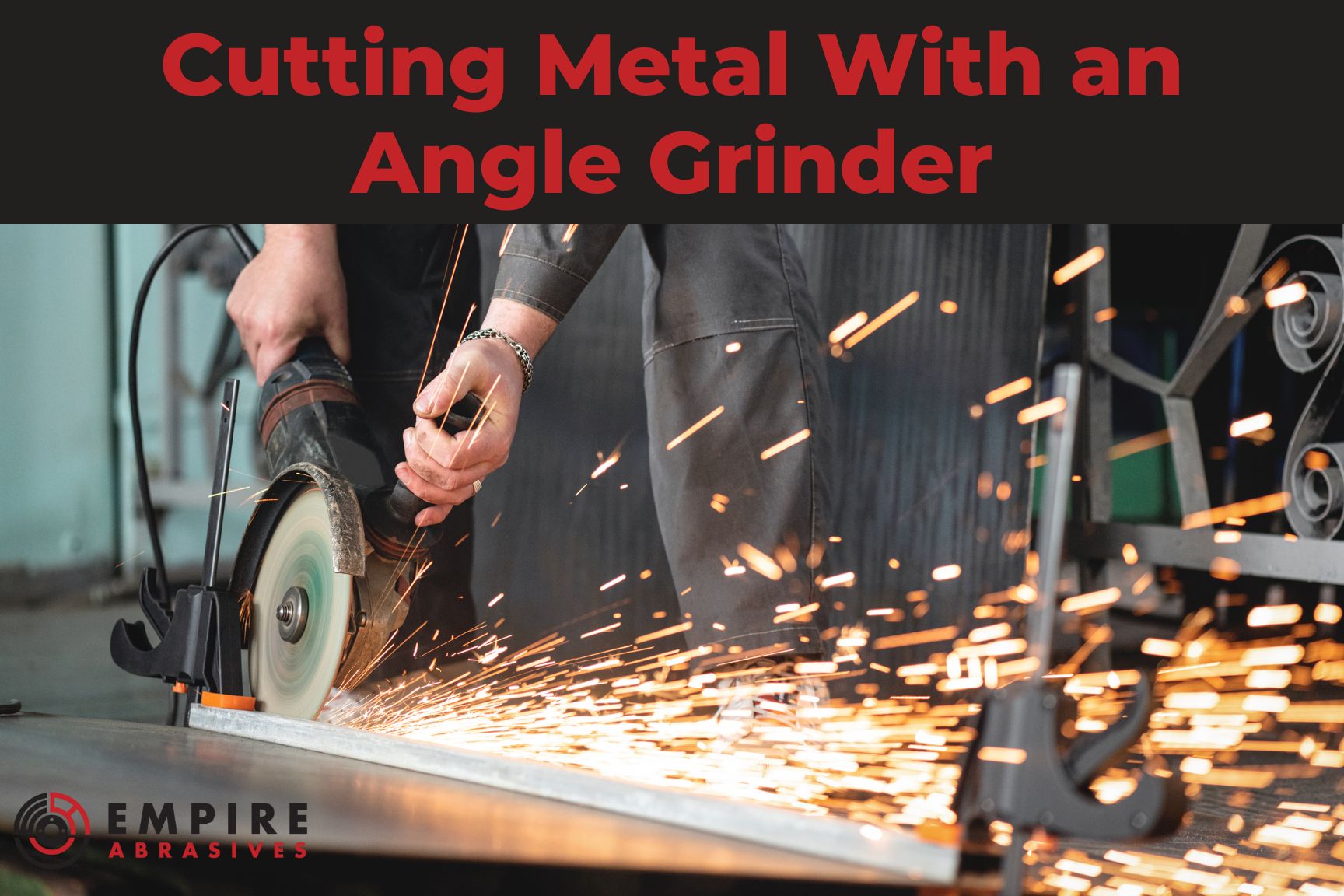
Accurate cutting establishes the foundation for precise gate construction. For aluminum gates, drop saws with aluminum-specific blades produce clean cuts with minimal burr while enabling accurate 45-degree miter angles. Steel cutting employs similar equipment with appropriate blades, or angle grinders with thin cutting discs for smaller projects.
Clean Surfaces Before Welding
Thoroughly clean all surfaces that will receive welds to remove mill scale, rust, paint, or protective coatings. Contaminants create porosity, incomplete fusion, and weakened joints that compromise structural integrity. Wire brushing or grinding typically suffices for steel, while aluminum may require chemical cleaning. Crucially, remove zinc coating from weld areas on galvanized materials since vaporized zinc creates serious respiratory hazards.
Drill Holes for Vertical Elements First
When gates incorporate round vertical tubing within the frame, drill mounting holes before frame assembly. Use drill bits sized slightly larger than the tube diameter to allow insertion during assembly. For gates with middle rails, hole alignment becomes critical since tubes must pass through both top and middle rail at matching positions. Position holes accurately by measuring from consistent reference points rather than between adjacent holes.
Assemble and Tack Weld Gate Frames Properly
Lay out all frame components on a completely flat, level surface before welding—any surface irregularity transmits through the frame and creates binding during installation. Use small timber wedges to shim components and achieve consistent leveling across the entire assembly. Verify mitered corners meet cleanly with no gaps and overall dimensions match specifications before any welding.
Master Tack Welding Technique
Begin with tacking rather than full welds—short weld beads 10-20mm long placed at intervals along the joint. Always start tacking at the center of joints and work outward to localize the heat-affected zone and prevent cumulative heat from pulling joints out of alignment. Tacks must hold components during handling but shouldn’t be so large they interfere with final weld appearance.
Defer Bottom Rail Welding for Vertical Elements
For frames receiving vertical tubing or cladding, defer welding the bottom rail until after vertical elements are fitted. This approach allows verticals to be inserted through middle rails and positioned correctly before final assembly locks them in place. Similarly, if frame rake needs adjustment after initial tacking, correction becomes exponentially harder once full welds are completed.
Install Vertical Elements for Maximum Strength
Round vertical tubing within gate frames creates the finished appearance while the internal frame provides structural support. When middle rails are present, slide verticals through top rail holes first, allowing them to extend below the middle rail position. Align verticals parallel to each other and perpendicular to the frame plane using a square for verification.
Proper Vertical Element Alignment Technique
Slide the middle rail into position, aligning verticals through its holes, and tack the verticals to the middle rail from below. This hides tacks from the finished gate front while providing adequate strength. After confirming alignment, complete welding of verticals to top and middle rails, then position and weld the bottom rail to capture verticals at their lower ends.
Face-Mounted Vertical Element Installation
For face-mounted verticals—round bars, square tubes, or timber palings—lay all verticals on a flat surface with consistent spacing, then position the frame on top. Weld face-mounted verticals from the back side to hide weld marks while providing adequate penetration. For timber palings, screw attachment from the back eliminates visible fastener heads on the front face.
Complete Full Welding with Professional Technique
With all tacks complete and frame geometry verified, proceed with full welding using a sequence that minimizes heat distortion. First, turn the frame over and weld complete length of all joints on one side, ensuring full penetration into the joint root. Proper penetration produces visible melt marks on the inside of hollow sections.
Two-Sided Welding for Balanced Shrinkage
After completing the first side, turn the frame over and weld all joints on the opposite side. This two-sided approach creates balanced weld shrinkage that maintains flatness and dimensional stability. Weld size should match joint thickness—typically fillet legs approximately equal to the thinner member thickness. Avoid excessive weld size, which creates unnecessary heat input and increased distortion.
Complete Frame Welding Sequence
Stand the frame on the bottom rail (or shim to protect welded joints) and weld the tops of all rails and outer edges of mitered corners. Then invert the frame and weld the underside of all rails. Complete fillet welding around each joint provides the bracing that prevents gate racking and ensures long-term structural integrity under wind loading.
Finish and Protect Your Welded Gate
While structurally adequate welds can remain as-welded for many applications, decorative gates benefit from dressing that creates smooth, professional appearance. Flapper discs excel at blending weld beads into surrounding metal while conforming to curved surfaces. Begin with coarse 40-grit discs for rapid material removal, then finish with 80-grit discs for smoother appearance.
Corrosion Protection Strategy
Hot-dip galvanizing provides excellent protection by coating the entire gate, including interior surfaces. Design gates with drainage holes to allow zinc runoff from hollow sections during galvanizing. Paint systems for steel gates typically involve epoxy-based primers for adhesion, followed by urethane topcoats for color retention. Surface preparation before painting must remove all rust and contamination to SSPC-SP3 standards minimum.
Hang Your Welded Gate for Smooth Operation
Attach hinges to the gate first, using bolts or screws appropriate for gate weight and material. Through-bolts with washers provide superior holding for heavy gates compared to self-tapping screws. Ensure hinge pintles are aligned parallel to each other and perpendicular to the gate plane to prevent binding during operation.
Position the gate between posts using temporary supports to hold it at proper height and alignment. Adjust position until the gate hangs freely without dragging ground or binding against posts. Verify alignment remains consistent throughout the swing arc before securing hinges permanently. Ground clearance for swing gates typically ranges from 50mm to 100mm depending on ground surface type.
Maintain Your Welded Gate for Longevity
Inspect all welded joints annually for cracks, corrosion, or deformation indicating structural concerns. Pay particular attention to high-stress areas including hinge mountings and latch strike positions. Address corrosion at early stages by cleaning affected areas and applying protective coatings before rust progresses to structural members.
Reapply protective coatings based on coating type and exposure conditions. Painted gates typically require recoating every three to five years in moderate climates, with more frequent intervals in coastal environments. Lubricate hinge pintles and latch mechanisms annually with greases rated for outdoor exposure to maintain smooth operation and prevent wear.
Final Note: A properly welded gate combines functional strength with aesthetic appeal when you follow these precise techniques. By planning thoroughly, selecting appropriate materials, and executing each welding step with attention to detail, your custom gate will serve your property reliably for decades while showcasing your craftsmanship. The time invested in proper construction pays dividends through trouble-free operation and lasting beauty that store-bought alternatives simply cannot match.
Leave a Reply