
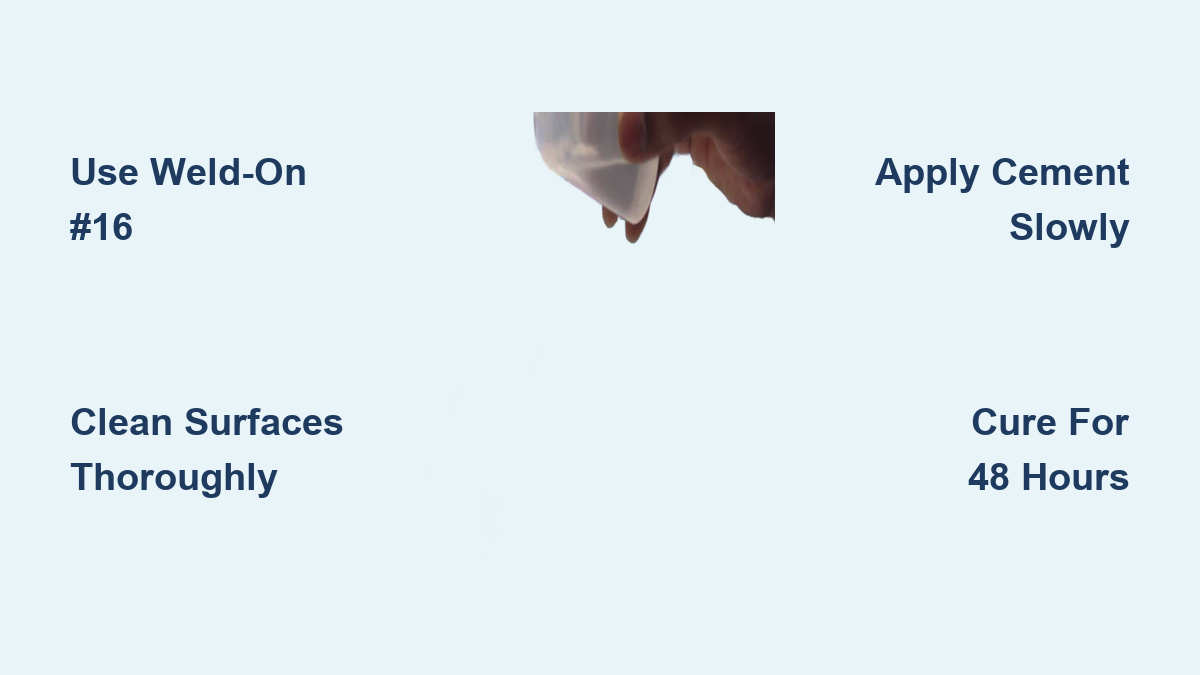
Welding plexiglass creates invisible, permanent joints that outperform any adhesive you’ll find at the hardware store. Unlike conventional gluing that merely sticks surfaces together, plexiglass welding uses specialized solvents to melt the acrylic surfaces and fuse them into a single, unified piece at the molecular level. The result? A joint as strong as the surrounding material with no visible seam when executed properly. Whether you’re building a display case, constructing an aquarium, or creating custom signage, mastering solvent welding opens possibilities that mechanical fasteners simply cannot achieve.
This guide walks you through everything you need to know to weld plexiglass successfully. The process demands patience and precision, but the crystal-clear, professional-quality results make the effort worthwhile. Let’s dive into the techniques professional fabricators use to create seamless acrylic assemblies.
Why Solvent Welding Beats Gluing Acrylic
Solvent welding creates superior results because it eliminates the boundary layer that traditional adhesives leave between joined materials. When you apply acrylic cement to a joint, the solvent penetrates the mating surfaces through capillary action, dissolving the acrylic at the contact points. As the solvent evaporates over several hours, the dissolved material re-crystallizes, creating a continuous piece where two separate sheets once existed. This molecular fusion means properly welded joints can actually be stronger than the surrounding acrylic.
Material quality significantly affects your welding success. Cast acrylic generally offers superior fabrication characteristics compared to extruded acrylic, which tends to be more brittle with a narrower working temperature range. Cast sheets demonstrate more consistent solvent welding behavior and resist the stress fractures that commonly plague extruded material projects. Premium brands like Perspex justify their higher cost through predictable material properties and reliable solvent welded joints, especially for long-term durability applications.
Choose the Right Solvent Cement for Your Project

Selecting the appropriate adhesive cement represents the most critical decision in any plexiglass welding project. Weld-On #16 has earned its reputation as a top choice due to its clear gel consistency, which makes application significantly easier while still providing excellent capillary action for tight joints. This product combines methylene chloride and MEK with dissolved acrylic, creating a solvent that both melts the surfaces and provides filler material for a strong, invisible bond.
Alternative options include Tensol cement in both liquid and gel formulations. The liquid version relies on tight joints for invisible results, while the gel version can fill small gaps up to approximately 1 millimeter—valuable when perfect joint fitment isn’t achievable. Your cement choice should match your specific application:
- For thin acrylic sheets under half an inch: Use standard watery cements
- For thicker materials: Opt for gel formulations for controlled application
- For imperfect joints: Select gap-filling cements specifically designed for this purpose
Before starting, gather these essential supplies: fine-grit sandpaper (400-600 grit), clean lint-free cloths, isopropyl alcohol, masking tape, clamps or jigs, and precision applicator bottles for controlled cement application.
Prepare Acrylic Surfaces for Flawless Welding
Proper surface preparation determines your joint quality more than any other factor. The surfaces to be joined must fit together without force, as gaps compromise both visual appearance and structural integrity. Lightly sand rough edges with fine-grit sandpaper to ensure full surface contact—this slight abrasion actually improves solvent wicking by creating pathways for cement penetration.
Absolute cleanliness is non-negotiable. Moisture or debris on bonding surfaces prevents proper fusion and may lead to joint failure. Wipe surfaces with a clean, lint-free cloth and ensure completely dry conditions before application. Some fabricators recommend isopropyl alcohol for final cleaning, but allow it to evaporate completely before applying solvent cement.
Joint design significantly impacts strength and appearance. For maximum strength, maximize surface contact area through techniques like lap joints or channel-rabbet constructions. Machine mating surfaces as flat as possible—professional fabricators often precision-machine and polish surfaces before solvent application for invisible joints. Secure your pieces in final position using clamps or masking tape before applying any solvent.
Execute Perfect Solvent Welding Technique
Apply cement to a wet joint while holding pieces under pressure, allowing the solvent to penetrate and dissolve the acrylic surfaces. The water-like consistency of most acrylic cements enables excellent capillary action, drawing the solvent deep into tight joints. Apply cement from one end of the joint and let capillary action draw it through—similar to how solder flows through an electronics joint.
The joint must remain completely undisturbed during welding, which occurs over several hours as the solvent evaporates and the acrylic re-solidifies. Allow a minimum of 30 minutes before handling and 48 hours for full cure. Complex assemblies may need longer cure times, as the cement continues strengthening as the solvent fully evaporates.
Critical warning: Acrylic cement is thinner than water and will chase anything it can reach through capillary action. Your joint must be suspended without contact with tape, clamps, or other materials during welding, or the cement will create imprints or bond to unintended surfaces. Professional fabricators use jigs that contact acrylic only at non-visible points. Each joint typically requires a full day to complete properly—rushing the process compromises results.
Implement Essential Safety Measures First
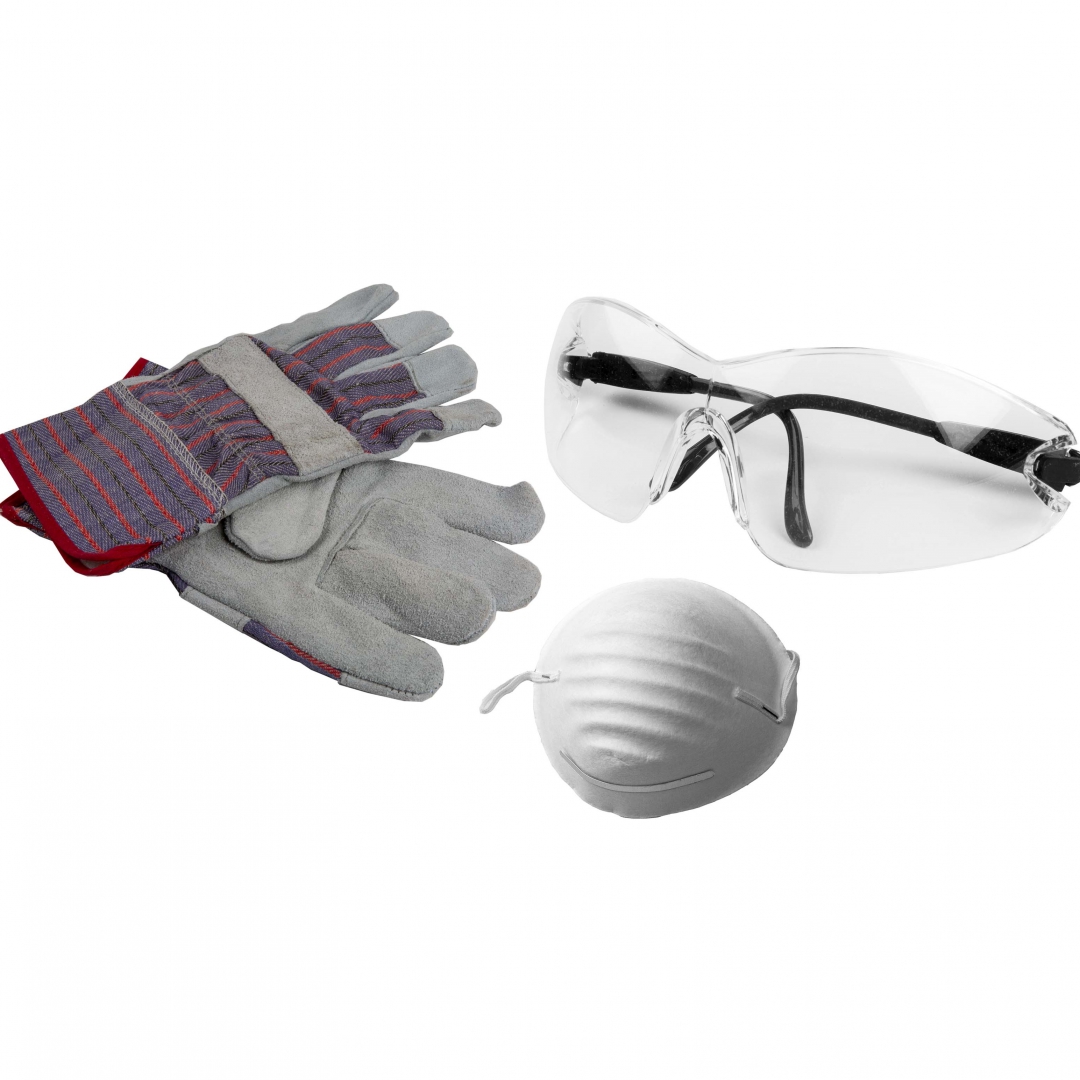
Working with acrylic cement solvents demands serious safety attention due to toxic chemicals involved. Primary solvents—methylene chloride, chloroform, and MEK—emit harmful vapors causing respiratory irritation and potential long-term health effects. Always work in well-ventilated areas, with fume extraction strongly recommended for significant fabrication work.
Your essential protective gear includes:
– Safety glasses to protect against splashes
– Chemical-resistant nitrile gloves
– Respiratory protection when ventilation is inadequate
– Clothing covering all exposed skin
These solvents are highly flammable and must be kept away from ignition sources including open flames, sparks, and hot surfaces. Store them in approved containers away from heat sources. Remember that solvents can be absorbed through skin and cause chemical burns with prolonged contact—wash hands thoroughly after handling.
Cut and Finish Acrylic Like a Professional
https://www.amazon.com/ACRYLIC-SHEET-CUTTING-Table-Saw-Variable/dp/B0B5YJQ8ZG/ref=sr_1_1?dib=eyJ2IjoiMSJ9.xv6X8c83X1j7q4J3a3v4j6dX3X7kQc3X5k2K8Zv7v5X0Y2QdY1l1q7y8w7c1xQ7uJ8bJ1Xb1dLqZ1j3a3v4j6dX3X7kQc3X5k2K8Zv7v5X0Y2QdY1l1q7y8w7c1xQ7uJ8bJ1Xb1dLqZ1j3a3v4j6dX3X7kQc3X5k2K8Zv7v5X0Y2QdY1l1q7y8w7c1xQ7uJ8bJ1Xb1dLqZ1j3a3v4j6dX3X7kQc3X5k2K8Zv7v5X0Y2QdY1l1q7y8w7c1xQ7uJ8bJ1Xb1dLqZ1j3a3v4j6dX3X7kQc3X5k2K8Zv7v5X0Y2QdY1l1q7y8w7c1xQ7uJ8bJ1Xb1dLqZ1j3a3v4j6dX3X7kQc3X5k2K8Zv7v5X0Y2QdY1l1q7y8w7c1xQ7uJ8bJ1Xb1dLqZ1j3a3v4j6dX3X7kQc3X5k2K8Zv7v5X0Y2QdY1l1q7y8w7c1xQ7uJ8bJ1Xb1dLqZ1j3a3v4j6dX3X7kQc3X5k2K8Zv7v5X0Y2QdY1l1q7y8w7c1xQ7uJ8bJ1Xb1dLqZ1j3a3v4j6dX3X7kQc3X5k2K8Zv7v5X0Y2QdY1l1q7y8w7c1xQ7uJ8bJ1Xb1dLqZ1j3a3v4j6dX3X7kQc3X5k2K8Zv7v5X0Y2QdY1l1q7y8w7c1xQ7uJ8bJ1Xb1dLqZ1j3a3v4j6dX3X7kQc3X5k2K8Zv7v5X0Y2QdY1l1q7y8w7c1xQ7uJ8bJ1Xb1dLqZ1j3a3v4j6dX3X7kQc3X5k2K8Zv7v5X0Y2QdY1l1q7y8w7c1xQ7uJ8bJ1Xb1dLqZ1j3a3v4j6dX3X7kQc3X5k2K8Zv7v5X0Y2QdY1l1q7y8w7c1xQ7uJ8bJ1Xb1dLqZ1j3a3v4j6dX3X7kQc3X5k2K8Zv7v5X0Y2QdY1l1q7y8w7c1xQ7uJ8bJ1Xb1dLqZ1j3a3v4j6dX3X7kQc3X5k2K8Zv7v5X0Y2QdY1l1q7y8w7c1xQ7uJ8bJ1Xb1dLqZ1j3a3v4j6dX3X7kQc3X5k2K8Zv7v5X0Y2QdY1l1q7y8w7c1xQ7uJ8bJ1Xb1dLqZ1j3a3v4j6dX3X7kQc3X5k2K8Zv7v5X0Y2QdY1l1q7y8w7c1xQ7uJ8bJ1Xb1dLqZ1j3a3v4j6dX3X7kQc3X5k2K8Zv7v5X0Y2QdY1l1q7y8w7c1xQ7uJ8bJ1Xb1dLqZ1j3a3v4j6dX3X7kQc3X5k2K8Zv7v5X0Y2QdY1l1q7y8w7c1xQ7uJ8bJ1Xb1dLqZ1j3a3v4j6dX3X7kQc3X5k2K8Zv7v5X0Y2QdY1l1q7y8w7c1xQ7uJ8bJ1Xb1dLqZ1j3a3v4j6dX3X7kQc3X5k2K8Zv7v5X0Y2QdY1l1q7y8w7c1xQ7uJ8bJ1Xb1dLqZ1j3a3v4j6dX3X7kQc3X5k2K8Zv7v5X0Y2QdY1l1q7y8w7c1xQ7uJ8bJ1Xb1dLqZ1j3a3v4j6dX3X7kQc3X5k2K8Zv7v5X0Y2QdY1l1q7y8w7c1xQ7uJ8bJ1Xb1dLqZ1j3a3v4j6dX3X7kQc3X5k2K8Zv7v5X0Y2QdY1l1q7y8w7c1xQ7uJ8bJ1Xb1dLqZ1j3a3v4j6dX3X7kQc3X5k2K8Zv7v5X0Y2QdY1l1q7y8w7c1xQ7uJ8bJ1Xb1dLqZ1j3a3v4j6dX3X7kQc3X5k2K8Zv7v5X0Y2QdY1l1q7y8w7c1xQ7uJ8bJ1Xb1dLqZ1j3a3v4j6dX3X7kQc3X5k2K8Zv7v5X0Y2QdY1l1q7y8w7c1xQ7uJ8bJ1Xb1dLqZ1j3a3v4j6dX3X7kQc3X5k2K8Zv7v5X0Y2QdY1l1q7y8w7c1xQ7uJ8bJ1Xb1dLqZ1j3a3v4j6dX3X7kQc3X5k2K8Zv7v5X0Y2QdY1l1q7y8w7c1xQ7uJ8bJ1Xb1dLqZ1j3a3v4j6dX3X7kQc3X5k2K8Zv7v5X0Y2QdY1l1q7y8w7c1xQ7uJ8bJ1Xb1dLqZ1j3a3v4j6dX3X7kQc3X5k2K8Zv7v5X0Y2QdY1l1q7y8w7c1xQ7uJ8bJ1Xb1dLqZ1j3a3v4j6dX3X7kQc3X5k2K8Zv7v5X0Y2QdY1l1q7y8w7c1xQ7uJ8bJ1Xb1dLqZ1j3a3v4j6dX3X7kQc3X5k2K8Zv7v5X0Y2QdY1l1q7y8w7c1xQ7uJ8bJ1Xb1dLqZ1j3a3v4j6dX3X7kQc3X5k2K8Zv7v5X0Y2QdY1l1q7y8w7c1xQ7uJ8bJ1Xb1dLqZ1j3a3v4j6dX3X7kQc3X5k2K8Zv7v5X0Y2QdY1l1q7y8w7c1xQ7uJ8bJ1Xb1dLqZ1j3a3v4j6dX3X7kQc3X5k2K8Zv7v5X0Y2QdY1l1q7y8w7c1xQ7uJ8bJ1Xb1dLqZ1j3a3v4j6dX3X7kQc3X5k2K8Zv7v5X0Y2QdY1l1q7y8w7c1xQ7uJ8bJ1Xb1dLqZ1j3a3v4j6dX3X7kQc3X5k2K8Zv7v5X0Y2QdY1l1q7y8w7c1xQ7uJ8bJ1Xb1dLqZ1j3a3v4j6dX3X7kQc3X5k2K8Zv7v5X0Y2QdY1l1q7y8w7c1xQ7uJ8bJ1Xb1dLqZ1j3a3v4j6dX3X7kQc3X5k2K8Zv7v5X0Y2QdY1l1q7y8w7c1xQ7uJ8bJ1Xb1dLqZ1j3a3v4j6dX3X7kQc3X5k2K8Zv7v5X0Y2QdY1l1q7y8w7c1xQ7uJ8bJ1Xb1dLqZ1j3a3v4j6dX3X7kQc3X5k2K8Zv7v5X0Y2QdY1l1q7y8w7c1xQ7uJ8bJ1Xb1dLqZ1j3a3v4j6dX3X7kQc3X5k2K8Zv7v5X0Y2QdY1l1q7y8w7c1xQ7uJ8bJ1Xb1dLqZ1j3a3v4j6dX3X7kQc3X5k2K8Zv7v5X0Y2QdY1l1q7y8w7c1xQ7uJ8bJ1Xb1dLqZ1j3a3v4j6dX3X7kQc3X5k2K8Zv7v5X0Y2QdY1l1q7y8w7c1xQ7uJ8bJ1Xb1dLqZ1j3a3v4j6dX3X7kQc3X5k2K8Zv7v5X0Y2QdY1l1q7y8w7c1xQ7uJ8bJ1Xb1dLqZ1j3a3v4j6dX3X7kQc3X5k2K8Zv7v5X0Y2QdY1l1q7y8w7c1xQ7uJ8bJ1Xb1dLqZ1j3a3v4j6dX3X7kQc3X5k2K8Zv7v5X0Y2QdY1l1q7y8w7c1xQ7uJ8bJ1Xb1dLqZ1j3a3v4j6dX3X7kQc3X5k2K8Zv7v5X0Y2QdY1l1q7y8w7c1xQ7uJ8bJ1Xb1dLqZ1j3a3v4j6dX3X7kQc3X5k2K8Zv7v5X0Y2QdY1l1q7y8w7c1xQ7uJ8bJ1Xb1dLqZ1j3a3v4j6dX3X7kQc3X5k2K8Zv7v5X0Y2QdY1l1q7y8w7c1xQ7uJ8bJ1Xb1dLqZ1j3a3v4j6dX3X7kQc3X5k2K8Zv7v5X0Y2QdY1l1q7y8w7c1xQ7uJ8bJ1Xb1dLqZ1j3a3v4j6dX3X7kQc3X5k2K8Zv7v5X0Y2QdY1l1q7y8w7c1xQ7uJ8bJ1Xb1dLqZ1j3a3v4j6dX3X7kQc3X5k2K8Zv7v5X0Y2QdY1l1q7y8w7c1xQ7uJ8bJ1Xb1dLqZ1j3a3v4j6dX3X7kQc3X5k2K8Zv7v5X0Y2QdY1l1q7y8w7c1xQ7uJ8bJ1Xb1dLqZ1j3a3v4j6dX3X7kQc3X5k2K8Zv7v5X0Y2QdY1l1q7y8w7c1xQ7uJ8bJ1Xb1dLqZ1j3a3v4j6dX3X7kQc3X5k2K8Zv7v5X0Y2QdY1l1q7y8w7c1xQ7uJ8bJ1Xb1dLqZ1j3a3v4j6dX3X7kQc3X5k2K8Zv7v5X0Y2QdY1l1q7y8w7c1xQ7uJ8bJ1Xb1dLqZ1j3a3v4j6dX3X7kQc3X5k2K8Zv7v5X0Y2QdY1l1q7y8w7c1xQ7uJ8bJ1Xb1dLqZ1j3a3v4j6dX3X7kQc3X5k2K8Zv7v5X0Y2QdY1l1q7y8w7c1xQ7uJ8bJ1Xb1dLqZ1j3a3v4j6dX3X7kQc3X5k2K8Zv7v5X0Y2QdY1l1q7y8w7c1xQ7uJ8bJ1Xb1dLqZ1j3a3v4j6dX3X7kQc3X5k2K8Zv7v5X0Y2QdY1l1q7y8w7c1xQ7uJ8bJ1Xb1dLqZ1j3a3v4j6dX3X7kQc3X5k2K8Zv7v5X0Y2QdY1l1q7y8w7c1xQ7uJ8bJ1Xb1dLqZ1j3a3v4j6dX3X7kQc3X5k2K8Zv7v5X0Y2QdY1l1q7y8w7c1xQ7uJ8bJ1Xb1dLqZ1j3a3v4j6dX3X7kQc3X5k2K8Zv7v5X0Y2QdY1l1q7y8w7c1xQ7uJ8bJ1Xb1dLqZ1j3a3v4j6dX3X7kQc3X5k2K8Zv7v5X0Y2QdY1l1q7y8w7c1xQ7uJ8bJ1Xb1dLqZ1j3a3v4j6dX3X7kQc3X5k2K8Zv7v5X0Y2QdY1l1q7y8w7c1xQ7uJ8bJ1Xb1dLqZ1j3a3v4j6dX3X7kQc3X5k2K8Zv7v5X0Y2QdY1l1q7y8w7c1xQ7uJ8bJ1Xb1dLqZ1j3a3v4j6dX3X7kQc3X5k2K8Zv7v5X0Y2QdY1l1q7y8w7c1xQ7uJ8bJ1Xb1dLqZ1j3a3v4j6dX3X7kQc3X5k2K8Zv7v5X0Y2QdY1l1q7y8w7c1xQ7uJ8bJ1Xb1dLqZ1j3a3v4j6dX3X7kQc3X5k2K8Zv7v5X0Y2QdY1l1q7y8w7c1xQ7uJ8bJ1Xb1dLqZ1j3a3v4j6dX3X7kQc3X5k2K8Zv7v5X0Y2QdY1l1q7y8w7c1xQ7uJ8bJ1Xb1dLqZ1j3a3v4j6dX3X7kQc3X5k2K8Zv7v5X0Y2QdY1l1q7y8w7c1xQ7uJ8bJ1Xb1dLqZ1j3a3v4j6dX3X7kQc3X5k2K8Zv7v5X0Y2QdY1l1q7y8w7c1xQ7uJ8bJ1Xb1dLqZ1j3a3v4j6dX3X7kQc3X5k2K8Zv7v5X0Y2QdY1l1q7y8w7c1xQ7uJ8bJ1Xb1dLqZ1j3a3v4j6dX3X7kQc3X5k2K8Zv7v5X0Y2QdY1l1q7y8w7c1xQ7uJ8bJ1Xb1dLqZ1j3a3v4j6dX3X7kQc3X5k2K8Zv7v5X0Y2QdY1l1q7y8w7c1xQ7uJ8bJ1Xb1dLqZ1j3a3v4j6dX3X7kQc3X5k2K8Zv7v5X0Y2QdY1l1q7y8w7c1xQ7uJ8bJ1Xb1dLqZ1j3a3v4j6dX3X7kQc3X5k2K8Zv7v5X0Y2QdY1l1q7y8w7c1xQ7uJ8bJ1Xb1dLqZ1j3a3v4j6dX3X7kQc3X5k2K8Zv7v5X0Y2QdY1l1q7y8w7c1xQ7uJ8bJ1Xb1dLqZ1j3a3v4j6dX3X7kQc3X5k2K8Zv7v5X0Y2QdY1l1q7y8w7c1xQ7uJ8bJ1Xb1dLqZ1j3a3v4j6dX3X7kQc3X5k2K8Zv7v5X0Y2QdY1l1q7y8w7c1xQ7uJ8bJ1Xb1dLqZ1j3a3v4j6dX3X7kQc3X5k2K8Zv7v5X0Y2QdY1l1q7y8w7c1xQ7uJ8bJ1Xb1dLqZ1j3a3v4j6dX3X7kQc3X5k2K8Zv7v5X0Y2QdY1l1q7y8w7c1xQ7uJ8bJ1Xb1dLqZ1j3a3v4j6dX3X7kQc3X5k2K8Zv7v5X0Y2QdY1l1q7y8w7c1xQ7uJ8bJ1Xb1dLqZ1j3a3v4j6dX3X7kQc3X5k2K8Zv7v5X0Y2QdY1l1q7y8w7c1xQ7uJ8bJ1Xb1dLqZ1j3a3v4j6dX3X7kQc3X5k2K8Zv7v5X0Y2QdY1l1q7y8w7c1xQ7uJ8bJ1Xb1dLqZ1j3a3v4j6dX3X7kQc3X5k2K8Zv7v5X0Y2QdY1l1q7y8w7c1xQ7uJ8bJ1Xb1dLqZ1j3a3v4j6dX3X7kQc3X5k2K8Zv7v5X0Y2QdY1l1q7y8w7c1xQ7uJ8bJ1Xb1dLqZ1j3a3v4j6dX3X7kQc3X5k2K8Zv7v5X0Y2QdY1l1q7y8w7c1xQ7uJ8bJ1Xb1dLqZ1j3a3v4j6dX3X7kQc3X5k2K8Zv7v5X0Y2QdY1l1q7y8w7c1xQ7uJ8bJ1Xb1dLqZ1j3a3v4j6dX3X7kQc3X5k2K8Zv7v5X0Y2QdY1l1q7y8w7c1xQ7uJ8bJ1Xb1dLqZ1j3a3v4j6dX3X7kQc3X5k2K8Zv7v5X0Y2QdY1l1q7y8w7c1xQ7uJ8bJ1Xb1dLqZ1j3a3v4j6dX3X7kQc3X5k2K8Zv7v5X0Y2QdY1l1q7y8w7c1xQ7uJ8bJ1Xb1dLqZ1j3a3v4j6dX3X7kQc3X5k2K8Zv7v5X0Y2QdY1l1q7y8w7c1xQ7uJ8bJ1Xb1dLqZ1j3a3v4j6dX3X7kQc3X5k2K8Zv7v5X0Y2QdY1l1q7y8w7c1xQ7uJ8bJ1Xb1dLqZ1j3a3v4j6dX3X7kQc3X5k2K8Zv7v5X0Y2QdY1l1q7y8w7c1xQ7uJ8bJ1Xb1dLqZ1j3a3v4j6dX3X7kQc3X5k2K8Zv7v5X0Y2QdY1l1q7y8w7c1xQ7uJ8bJ1Xb1dLqZ1j3a3v4j6dX3X7kQc3X5k2K8Zv7v5X0Y2QdY1l1q7y8w7c1xQ7uJ8bJ1Xb1dLqZ1j3a3v4j6dX3X7kQc3X5k2K8Zv7v5X0Y2QdY1l1q7y8w7c1xQ7uJ8bJ1Xb1dLqZ1j3a3v4j6dX3X7kQc3X5k2K8Zv7v5X0Y2QdY1l1q7y8w7c1xQ7uJ8bJ1Xb1dLqZ1j3a3v4j6dX3X7kQc3X5k2K8Zv7v5X0Y2QdY1l1q7y8w7c1xQ7uJ8bJ1Xb1dLqZ1j3a3v4j6dX3X7kQc3X5k2K8Zv7v5X0Y2QdY1l1q7y8w7c1xQ7uJ8bJ1Xb1dLqZ1j3a3v4j6dX3X7kQc3X5k2K8Zv7v5X0Y2QdY1l1q7y8w7c1xQ7uJ8bJ1Xb1dLqZ1j3a3v4j6dX3X7kQc3X5k2K8Zv7v5X0Y2QdY1l1q7y8w7c1xQ7uJ8bJ1Xb1dLqZ1j3a3v4j6dX3X7kQc3X5k2K8Zv7v5X0Y2QdY1l1q7y8w7c1xQ7uJ8bJ1Xb1dLqZ1j3a3v4j6dX3X7kQc3X5k2K8Zv7v5X0Y2QdY1l1q7y8w7c1xQ7uJ8bJ1Xb1dLqZ1j3a3v4j6dX3X7kQc3X5k2K8Zv7v5X0Y2QdY1l1q7y8w7c1xQ7uJ8bJ1Xb1dLqZ1j3a3v4j6dX3X7kQc3X5k2K8Zv7v5X0Y2QdY1l1q7y8w7c1xQ7uJ8bJ1Xb1dLqZ1j3a3v4j6dX3X7kQc3X5k2K8Zv7v5X0Y2QdY1l1q7y8w7c1xQ7uJ8bJ1Xb1dLqZ1j3a3v4j6dX3X7kQc3X5k2K8Zv7v5X0Y2QdY1l1q7y8w7c1xQ7uJ8bJ1Xb1dLqZ1j3a3v4j6dX3X7kQc3X5k2K8Zv7v5X0Y2QdY1l1q7y8w7c1xQ7uJ8bJ1Xb1dLqZ1j3a3v4j6dX3X7kQc3X5k2K8Zv7v5X0Y2QdY1l1q7y8w7c1xQ7uJ8bJ1Xb1dLqZ1j3a3v4j6dX3X7kQc3X5k2K8Zv7v5X0Y2QdY1l1q7y8w7c1xQ7uJ8bJ1Xb1dLqZ1j3a3v4j6dX3X7kQc3X5k2K8Zv7v5X0Y2QdY1l1q7y8w7c1xQ7uJ8bJ1Xb1dLqZ1j3a3v4j6dX3X7kQc3X5k2K8Zv7v5X0Y2QdY1l1q7y8w7c1xQ7uJ8bJ1Xb1dLqZ1j3a3v4j6dX3X7kQc3X5k2K8Zv7v5X0Y2QdY1l1q7y8w7c1xQ7uJ8bJ1Xb1dLqZ1j3a3v4j6dX3X7kQc3X5k2K8Zv7v5X0Y2QdY1l1q7y8w7c1xQ7uJ8bJ1Xb1dLqZ1j3a3v4j6dX3X7kQc3X5k2K8Zv7v5X0Y2QdY1l1q7y8w7c1xQ7uJ8bJ1Xb1dLqZ1j3a3v4j6dX3X7kQc3X5k2K8Zv7v5X0Y2QdY1l1q7y8w7c1xQ7uJ8bJ1Xb1dLqZ1j3a3v4j6dX3X7kQc3X5k2K8Zv7v5X0Y2QdY1l1q7y8w7c1xQ7uJ8bJ1Xb1dLqZ1j3a3v4j6dX3X7kQc3X5k2K8Zv7v5X0Y2QdY1l1q7y8w7c1xQ7uJ8bJ1Xb1dLqZ1j3a3v4j6dX3X7kQc3X5k2K8Zv7v5X0Y2QdY1l1q7y8w7c1xQ7uJ8bJ1Xb1dLqZ1j3a3v4j6dX3X7kQc3X5k2K8Zv7v5X0Y2QdY1l1q7y8w7c1xQ7uJ8bJ1Xb1dLqZ1j3a3v4j6dX3X7kQc3X5k2K8Zv7v5X0Y2QdY1l1q7y8w7c1xQ7uJ8bJ1Xb1dLqZ1j3a3v4j6dX3X7kQc3X5k2K8Zv7v5X0Y2QdY1l1q7y8w7c1xQ7uJ8bJ1Xb1dLqZ1j3a3v4j6dX3X7kQc3X5k2K8Zv7v5X0Y2QdY1l1q7y8w7c1xQ7uJ8bJ1Xb1dLqZ1j3a3v4j6dX3X7kQc3X5k2K8Zv7v5X0Y2QdY1l1q7y8w7c1xQ7uJ8bJ1Xb1dLqZ1j3a3v4j6dX3X7kQc3X5k2K8Zv7v5X0Y2QdY1l1q7y8w7c1xQ7uJ8bJ1Xb1dLqZ
Cutting acrylic requires appropriate tools to avoid binding, cracking, or melting. Table saws with variable speed controls work well, using fine-toothed blades (6-8 teeth per inch) with moderate feed rates to minimize heat buildup. Router cutting generally produces superior results for precision shapes—use a straight edge guide with a spiral cut bit that pulls chips away from the cut.
Drilling acrylic requires specialized techniques to prevent crack propagation. Regular drill bits tend to grab material and create stress concentrations. Instead, use spiral bits designed for plastics that remove chips effectively and create cleaner hole walls. Compressed air serves as effective coolant during drilling, preventing heat buildup that softens material.
Flame polishing creates clear, attractive edges on cut surfaces. Pass a hydrogen flame or butane torch quickly over the edge to briefly melt the surface into a glossy finish. Direct the flame carefully—not too close, moving at consistent speed—to avoid burning. Practice on scrap pieces before attempting on finished work.
Fix Common Plexiglass Welding Problems
Cloudy joints typically indicate contamination (moisture, oil, or debris), inadequate solvent penetration, or curing in unfavorable conditions. Ensure absolutely clean, dry surfaces and work in moderate temperatures to prevent cloudiness. Weak joints usually stem from poor fitment with gaps too large for the cement to bridge effectively, or insufficient cure time before stressing the joint.
Material quality significantly impacts welding success. Aged or improperly stored acrylic often presents unexpected problems—sheets stored for extended periods may develop stress concentrations affecting welding behavior. Cast acrylic generally performs better than extruded material, which tends to be more brittle with stress fractures appearing days after cutting or bending operations.
Professional fabricators use these expert tips to avoid frustration:
– Add finely sifted acrylic dust to cement for improved gap-filling
– Allow each joint a full day to cure before handling
– Use masking tape strategically to control cement spread
– Apply consistent clamping pressure while avoiding unintended contact points
Successfully welding plexiglass combines careful preparation, appropriate materials, precise technique, and patience. Start with smaller practice projects to develop your skills before tackling important pieces. With proper execution, your plexiglass welds will create professional-quality, invisible joints that last for decades—making the initial investment in learning these techniques well worth your effort.
Leave a Reply