
Welding round tubing presents unique challenges that differ significantly from flat surface welding. When you’re working with cylindrical surfaces, the curvature creates varying joint angles that require specialized technique adjustments throughout the welding process. Many DIY enthusiasts and even some professionals struggle with inconsistent penetration, poor bead appearance, and weak joints when first attempting to weld round tubing. The key to success lies in understanding how to adapt your welding approach to accommodate the constantly changing geometry as you move around the tube circumference. Whether you’re fabricating roll cages, bicycle frames, handrails, or structural supports, mastering round tubing welding will dramatically improve your project quality and structural integrity.
Common issues like burn-through on the top portion of the tube or lack of fusion at the bottom stem directly from failing to adjust welding parameters as you progress around the joint. This guide provides actionable techniques specifically designed for round tubing welding that address these challenges head-on. You’ll learn precise positioning methods, parameter adjustments for different welding positions, and practical tacking strategies that ensure clean, strong joints every time. By the end of this guide, you’ll understand exactly how to prepare, position, and weld round tubing successfully regardless of your skill level or available equipment.
Essential Safety Preparations for Round Tubing Welding
Before striking your first arc on round tubing, proper safety measures must be in place. Welding generates intense ultraviolet radiation that can cause severe eye damage (“welder’s flash”) and skin burns within seconds of exposure. Ensure you’re wearing a properly rated welding helmet with appropriate shade setting for your process—typically shade 10-13 for most tubing applications. Additionally, wear flame-resistant clothing that covers all exposed skin, including leather gloves and high-top boots to protect against sparks and spatter.
Critical Ventilation Requirements for Tubing Welding
Welding round tubing often involves working in confined positions that increase your exposure to hazardous fumes. When welding in tight spaces or enclosed areas:
- Position yourself so fumes don’t accumulate near your breathing zone
- Use forced ventilation systems when working indoors
- Never weld galvanized or coated tubing without proper respiratory protection
- Install fume extractors at the source when possible
Fire Prevention Measures Specific to Tubing Projects
Round tubing projects frequently involve multiple pieces in close proximity, creating fire hazards that many beginners overlook. Implement these specific precautions:
- Clear all flammable materials within a 35-foot radius of your work area
- Keep a fire extinguisher rated for electrical fires immediately accessible
- Place fire-resistant welding blankets behind tubing joints to catch sparks
- Check for hidden combustibles inside hollow tubing before welding
Proper Round Tubing Preparation Techniques
The quality of your weld begins long before you strike an arc. Proper preparation of round tubing directly impacts penetration, fusion, and overall joint strength. Start by thoroughly cleaning both surfaces to be joined using a stainless steel wire brush dedicated only to this purpose—never use the same brush on different metals to avoid contamination. Remove all oil, grease, paint, and oxidation from at least 1 inch back from the joint edge on both pieces.
Achieving Perfect Fit-Up for Round Tubing
Poor fit-up causes more failed tubing welds than any other single factor. Follow these specific techniques:
- Use tubing notching tools or mandrels to create precise mating surfaces
- Ensure gap tolerance remains consistent around the entire circumference
- For butt joints, maintain a 1/16-inch gap for optimal penetration
- For T-joints, ensure the tube sits flush against the receiving surface
Critical Edge Preparation Methods
The way you prepare tubing edges dramatically affects weld quality:
- Bevel edges at 30-37 degrees for thicker tubing (over 1/8 inch)
- Use a file to remove sharp edges that could cause arc instability
- Deburr all cut edges to prevent gas pockets in the weld
- Mark the starting and ending points on the tube to maintain consistent travel speed
Positioning and Tacking Round Tubing Joints

Correct positioning makes the difference between a smooth welding experience and constant frustration when working with round tubing. Begin by securing both pieces in a welding jig or vise that allows rotation—never attempt to weld round tubing while holding pieces by hand. Position the joint so you can work in the flat or horizontal position whenever possible, as these positions provide the most control for consistent bead placement.
Strategic Tack Welding Techniques
Tack welds must hold alignment while allowing for thermal expansion during welding:
- Place initial tacks at 12, 3, 6, and 9 o’clock positions
- Keep tacks small (1/4 inch) but sufficient to maintain alignment
- Alternate tack positions to prevent distortion (12 then 6, then 3 then 9)
- Grind down oversized tacks that could cause arc instability during final passes
Rotation Methods for Continuous Welding
Master these rotation techniques for seamless welding around tubing:
- Rotate the work rather than moving around the workpiece
- Maintain a consistent travel angle of 5-15 degrees in the direction of travel
- Adjust your position every 1-2 inches to maintain optimal viewing angle
- Use a slow, steady rotation speed matching your travel speed
Executing the Welding Pass on Round Tubing
The actual welding process requires technique adjustments as you move around the tube circumference. Start at the bottom (6 o’clock position) where gravity works in your favor, using a slightly lower amperage setting to prevent excessive penetration. As you move toward the horizontal position (3 and 9 o’clock), gradually increase travel speed while maintaining consistent arc length. At the top position (12 o’clock), reduce amperage by 10-15% and use a faster travel speed to prevent weld pool sagging.
Position-Specific Technique Adjustments
Different sections of the tube require specific approach modifications:
- Bottom quarter (5-7 o’clock): Use a slight push technique with minimal weaving
- Sides (2-4 and 8-10 o’clock): Employ a slight oscillation for wider bead coverage
- Top section (11-1 o’clock): Decrease amperage and use a tight, rapid weaving motion
- Critical transition zones: Slow down slightly when moving between positions
Optimal Parameters for Common Tubing Sizes
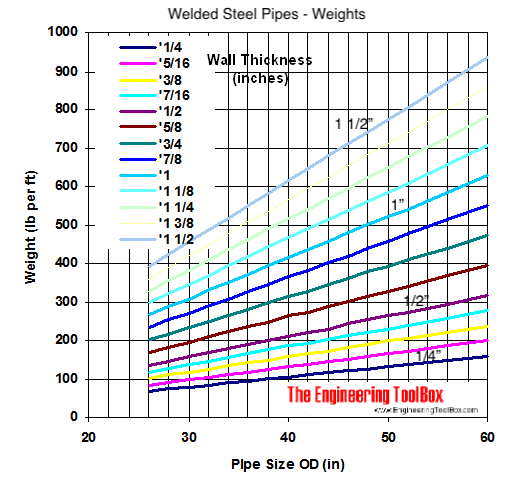
Adjust these settings based on your specific equipment:
- 1/2 inch diameter, 0.065 wall: 85-95 amps, 15-18 CFH shielding gas
- 1 inch diameter, 0.095 wall: 110-125 amps, 18-20 CFH shielding gas
- 1.5 inch diameter, 0.120 wall: 140-160 amps, 20-22 CFH shielding gas
- Always perform test welds on scrap pieces first
Common Round Tubing Welding Mistakes to Avoid
Even experienced welders make critical errors when working with round tubing. One of the most frequent issues is maintaining consistent travel speed—many welders slow down at the top of the tube, causing excessive buildup and potential burn-through. Another common mistake is using too large of a weld pool, which becomes unstable on curved surfaces and leads to uneven penetration. Proper technique requires keeping the weld pool small and manageable throughout the entire circumference.
Critical Angle Errors That Weaken Joints
Improper torch angles cause numerous avoidable problems:
- Excessive drag angle: Creates insufficient penetration and poor fusion
- Inconsistent work angle: Causes uneven bead profile around the tube
- Changing angles mid-pass: Creates weak spots at transition points
- Looking directly at the arc: Causes inconsistent travel speed due to visual distortion
Gas Coverage Problems Specific to Tubing
Shielding gas issues are magnified when welding round shapes:
- Wind disruption around curved surfaces requires increased gas flow
- Long stick-out distances compromise gas coverage on tight joints
- Incorrect nozzle size fails to protect the entire weld pool circumference
- Pulsed welding parameters may require gas flow adjustments
Finishing and Inspecting Your Tubing Welds
After completing your weld pass, proper finishing ensures both structural integrity and aesthetic quality. Begin by allowing the weld to cool naturally—never quench hot welds as this creates internal stresses. Once cooled, remove slag (for stick or flux-core welding) using a chipping hammer followed by a stainless steel wire brush. For critical applications, perform a visual inspection for cracks, porosity, or undercutting before proceeding with any grinding.
Professional Weld Inspection Techniques
Verify weld quality with these practical methods:
- Run your fingernail across the weld to detect undercutting
- Check for consistent bead width and crown height around entire circumference
- Look for uniform coloration indicating proper heat input
- Use a magnifying glass to identify micro-cracks in critical joints
Proper Grinding and Finishing Methods
Achieve professional results with these finishing steps:
- Use a flap disc for initial grinding to maintain tube shape
- Follow with progressively finer grits for smooth finish
- Never grind deeper than necessary to maintain structural integrity
- Finish with a wire wheel for uniform appearance before painting
Maintenance Tips for Long-Lasting Tubing Welds
Proper post-weld care extends the life of your tubing projects significantly. For outdoor applications, apply a rust-inhibiting primer immediately after final cleaning to prevent corrosion at the weld zone, which often corrodes faster than the base metal. Regularly inspect welds on structural applications for hairline cracks, especially at stress points where tubing connects to flat surfaces. When storing welded tubing assemblies, elevate them off concrete floors to prevent moisture accumulation that accelerates corrosion.
Final Note: Always remember that welding round tubing requires practice to master the subtle technique adjustments needed around the circumference. Start with scrap pieces to develop muscle memory before working on critical projects, and never compromise on safety equipment regardless of project size. The difference between an adequate weld and a professional-quality joint comes down to consistent technique application throughout the entire welding process.
Leave a Reply