
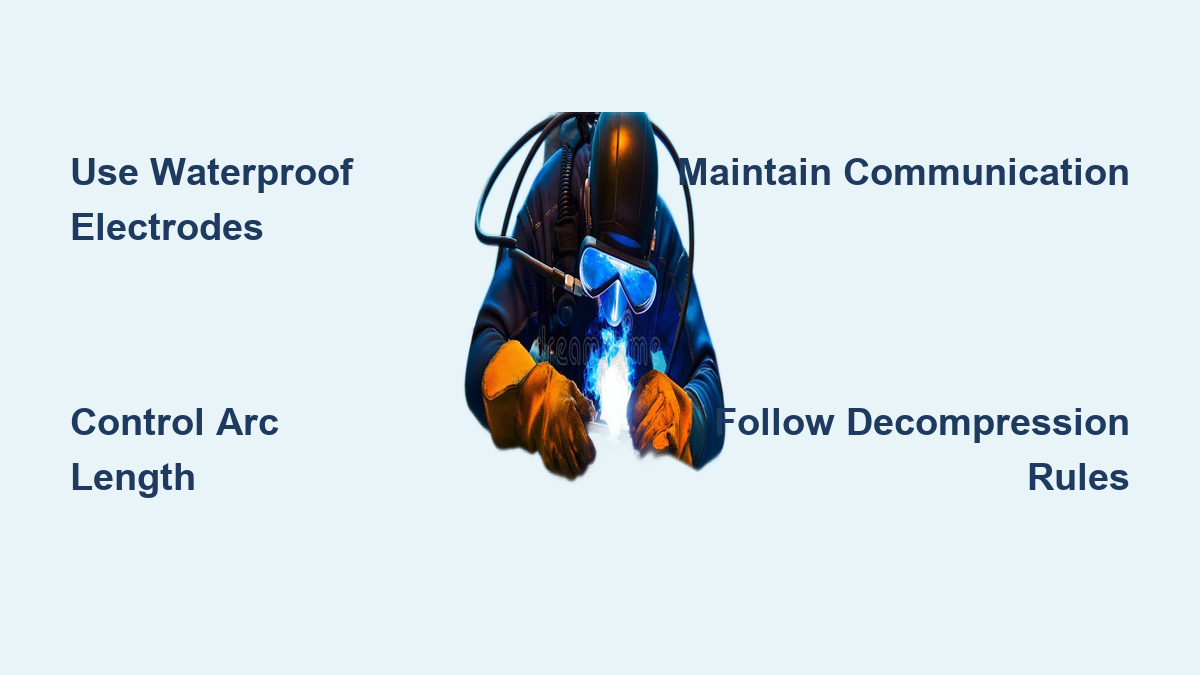
Picture this: You’re 100 feet below the ocean’s surface, surrounded by near-freezing water, with visibility limited to just a few feet. In your hands, you’re holding equipment that generates temperatures hotter than the sun’s surface—while simultaneously managing electrical currents that could be deadly in this conductive environment. This is the reality of underwater welding, a specialized trade that combines extreme precision with high-risk conditions to maintain the world’s marine infrastructure. Learning how to weld underwater isn’t just about joining metals—it’s about mastering two demanding disciplines simultaneously: professional welding and commercial diving. Every year, underwater welders save billions of dollars by performing critical repairs on ships, oil rigs, and pipelines without the need for costly dry-docking procedures, making this skill indispensable to global maritime operations.
The journey to understanding how to weld underwater begins with recognizing that this isn’t simply surface welding adapted for water. The hostile environment creates unique challenges that fundamentally change the welding process. Water rapidly cools molten metal, creating brittle microstructures that can compromise structural integrity. Electricity behaves unpredictably in conductive seawater, requiring specialized equipment and protocols to prevent potentially fatal electric shocks. And at depth, increased pressure affects gas behavior around the arc, requiring adjustments to standard welding procedures. Despite these formidable obstacles, underwater welding has evolved significantly since Russian metallurgist Konstantin Khrenov first demonstrated the technique in the Black Sea in 1932. Today, properly trained professionals can produce welds that meet rigorous structural standards, even in challenging underwater conditions.
Master Wet Welding Techniques for Immediate Results
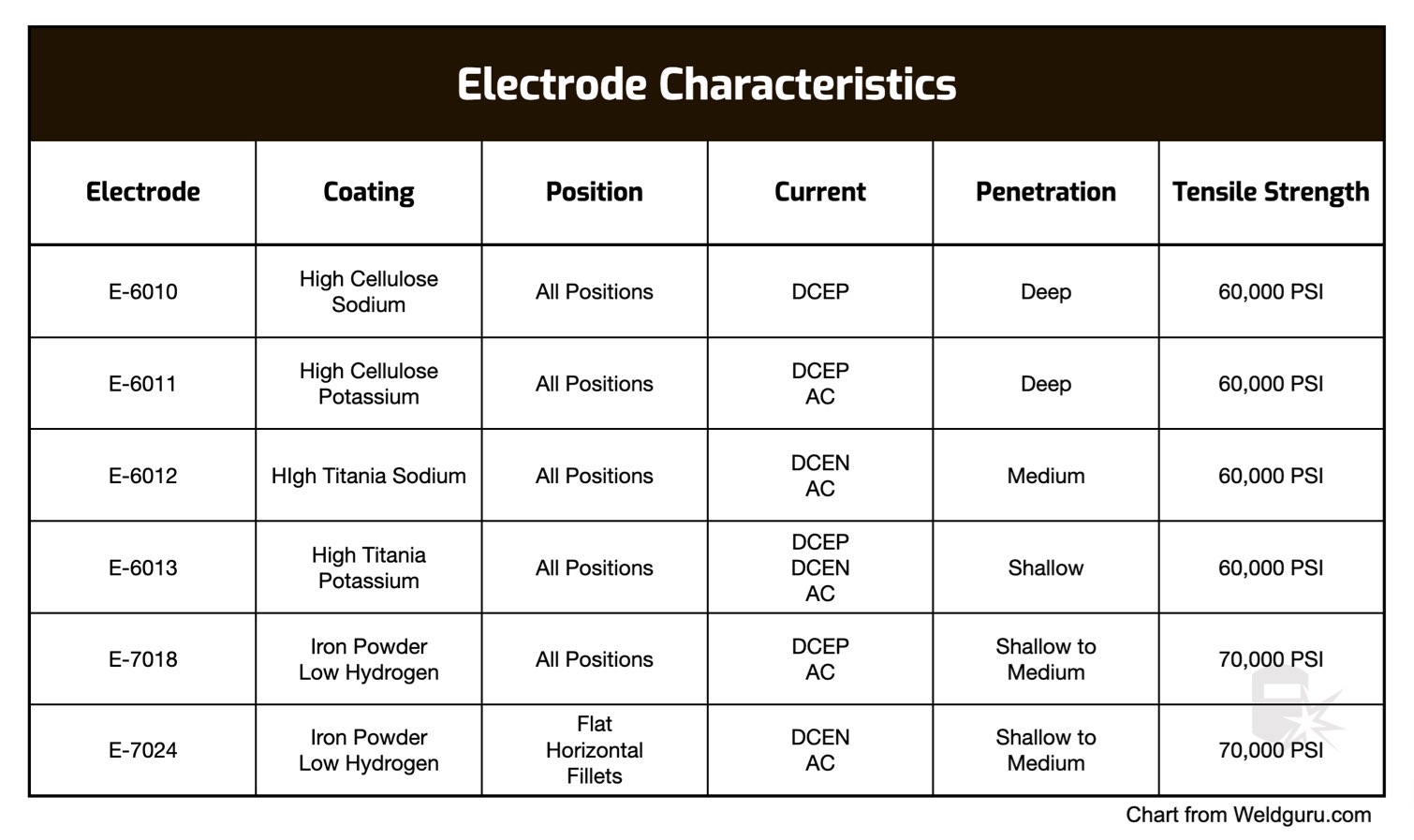
Wet welding delivers the fastest underwater repair solution when time matters most, allowing you to complete critical fixes without creating dry environments. This technique works by using specialized waterproof electrodes that generate a protective gas bubble around the electric arc through flux decomposition, enabling you to join metals directly in the water column.
Select Proper Electrodes for Underwater Conditions
Your electrode choice makes or breaks underwater weld quality. Modern purpose-built electrodes for wet welding feature waterproof flux coatings specifically designed to maintain integrity during prolonged water exposure—unlike improvised surface electrodes wrapped in tape or wax, which produce inferior results. The AWS A5.35/A5.35M:2015 specification governs these specialized electrodes, ensuring they meet performance standards for underwater applications. Never use standard surface electrodes—they’ll disintegrate quickly in water, creating dangerous electrical leakage and poor-quality welds with unacceptable mechanical properties.
When preparing for your underwater welding job, verify you’re using DCEN (direct current electrode negative) polarity exclusively. AC current is strictly prohibited as it creates fatal shock hazards in water. Your power supply should deliver 300-500 amps consistently, with a heavy-duty isolation switch at the surface that your topside team controls—power only flows when you signal readiness and stops immediately when welding pauses.
Execute Wet Welding with Precision Execution
Your actual welding technique requires significant adjustments from surface methods. Maintain a slightly longer arc length than you would on land to compensate for water’s cooling effect, but avoid excessive distance that causes instability. Travel speed becomes critical—too fast creates insufficient penetration, while too slow allows excessive hydrogen absorption that leads to cracking. For vertical welds, always work downward (downhill), as upward progression lets gas bubbles obscure your view of the joint.
Monitor the flux behavior carefully during welding. Proper flux decomposition creates the protective gas bubble and slag layer essential for quality. If you notice unusual arc behavior or excessive hydrogen near the joint, stop immediately and reassess—these indicate problems with electrode quality, joint preparation, or environmental conditions that could compromise weld integrity. Remember: the surface team controls power at all times, so maintain constant communication and follow the golden rule—when in doubt, power off.
Implement Dry Hyperbaric Welding for Critical Applications
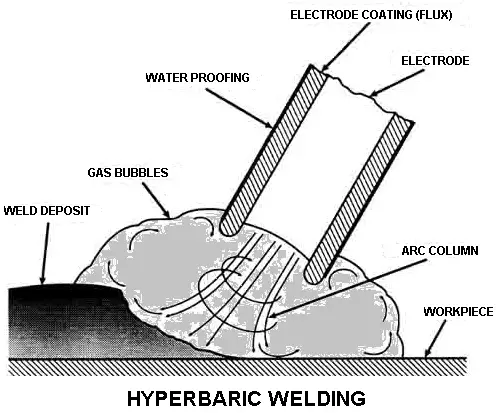
When weld quality must match surface standards, dry hyperbaric welding creates the controlled environment you need for mission-critical repairs on offshore structures, ship hulls, or pipelines where failure isn’t an option. This method uses sealed chambers filled with pressurized gas to displace water around the weld zone, enabling you to work in near-surface conditions even at significant depths.
Build Effective Hyperbaric Chambers for Structural Repairs
Your chamber design must match both the structure geometry and depth requirements. Habitat welding chambers accommodate multiple divers and connect directly to the structure, while mini-habitats create localized dry zones for smaller repairs. For pipes or cylindrical structures, consider split-cylinder chambers that clamp around the circumference. Critical safety feature: Your chamber pressure must slightly exceed ambient water pressure to prevent dangerous gas or hydrocarbon influx, but cannot exceed safe limits for diver physiology.
Inside the chamber, use standard surface welding techniques with appropriate adjustments for pressure effects. GTAW (TIG) welding often produces superior results in dry hyperbaric environments, offering precise control over weld penetration and appearance that’s difficult to achieve with wet methods. Unlike wet welding, you can apply pre- and post-weld heat treatments in dry chambers, dramatically improving weld properties and reducing hydrogen cracking risks—especially important for higher carbon equivalent steels.
Prepare Materials and Joints for Underwater Success
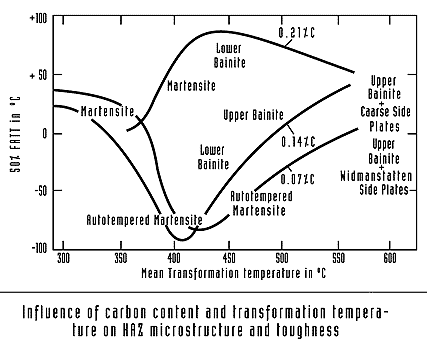
Material selection and joint preparation determine 80% of your underwater welding success before you even strike an arc. Unlike surface welding where you can adjust conditions, underwater environments demand perfect preparation because you have minimal opportunity for correction once submerged.
Choose Weldable Materials Based on Carbon Equivalent
Your material’s carbon equivalent (CE) value dictates whether wet welding will produce acceptable results. Calculate CE using the International Institute of Welding formula and never attempt wet welding on materials exceeding 0.4 CE—these will develop brittle martensitic structures prone to hydrogen-induced cracking. Ideal materials have CE ≤ 0.38% and carbon content ≤ 0.16%, commonly found in low-carbon steels used in marine construction.
For groove welds, maintain a root gap of approximately 1 mm. If gaps exceed 2.5 mm, build up the area with preliminary weld passes rather than attempting to bridge it in one pass—this prevents incomplete fusion and weak welds. Always use multiple passes (minimum three) to increase ductility through the tempering effect of subsequent heat cycles, which is especially critical given water’s rapid quenching effect.
Follow Critical Safety Protocols During Every Dive
Safety isn’t just important in underwater welding—it’s the foundation of every successful operation. The combination of electricity, water, and pressure creates multiple pathways to catastrophic failure if proper protocols aren’t followed religiously.
Prevent Electric Shock with Rigorous Equipment Checks
Before every dive, inspect all electrical components for damage or deterioration. Current leakage through water is your most immediate threat—even minor insulation failures can deliver fatal shocks in conductive seawater. Verify your electrode holder has heavy insulation designed for water cooling (standard holders overheat catastrophically underwater), and ensure all connections are watertight.
Position yourself carefully during welding—never place your body between the electrode and workpiece, which would create a current path through your heart. Surface personnel must maintain voice communication at all times and follow the “power off” rule immediately if communication breaks or uncertainty arises. Remember: the surface operator controls power, not you—this separation prevents accidental activation during equipment handling.
Manage Decompression Risks with Proper Planning
Track your bottom time and depth meticulously to avoid decompression sickness (“the bends”). As an underwater welder, you face double the risk of standard commercial divers due to the physical exertion of welding while under pressure. For hyperbaric dry welding, follow strict chamber decompression protocols that may require multiple days to safely return to surface pressure after deep work. Always have emergency decompression procedures in place before beginning any dive.
Pursue Proper Training Before Attempting Underwater Welds
Becoming qualified to weld underwater requires years of dedicated training across two distinct disciplines—don’t attempt this work without proper certification. Start by mastering surface welding techniques until you can consistently produce high-quality welds meeting AWS D1.1 structural standards.
Complete Required Certification Pathways
First, become a certified commercial diver through an accredited program teaching dive physics, physiology, and emergency procedures. Then, obtain professional welding certification with emphasis on shielded metal arc welding (SMAW). Only after achieving both certifications should you pursue specialized underwater welding training, which typically takes 6-24 months and covers:
- Underwater electrode handling and arc control
- Hyperbaric chamber operations
- Emergency response procedures
- Underwater inspection techniques
- AWS D3.6M code requirements
Expect to work as an apprentice for several years under experienced underwater welders before handling critical repairs independently. The field’s 15% fatality rate (compared to 0.13% in logging) underscores why proper training isn’t optional—it’s your lifeline.
Understand Quality Expectations and Limitations
Underwater welds will never perfectly match surface welds due to fundamental environmental constraints, but proper technique produces structurally sound repairs that classification societies accept for critical applications. AWS D3.6M defines three quality classes:
- Class A: Comparable to surface welds for critical structural applications
- Class B: Acceptable for less critical applications with moderate porosity
- Class O: Meets external code requirements plus underwater-specific criteria
Depth directly impacts quality—microporosity increases and ductility decreases as you go deeper. At 100 meters, even the best wet welds show reduced mechanical properties compared to surface equivalents. For permanent repairs on critical structures at significant depths, dry hyperbaric welding remains the gold standard despite its logistical complexity.
Mastering how to weld underwater opens doors to one of the most challenging—and highest-paying—careers in the welding industry. While surface welders average $40,000 annually, experienced underwater welders often earn $200,000+ through project-based work. The path requires dedication, rigorous training, and unwavering attention to safety, but for those willing to meet its demands, underwater welding offers unparalleled opportunities to work on critical marine infrastructure while commanding premium compensation. Remember: the ocean rewards preparation and punishes complacency—your commitment to proper training and safety protocols determines not just your success, but your survival in this extraordinary field.
Leave a Reply