
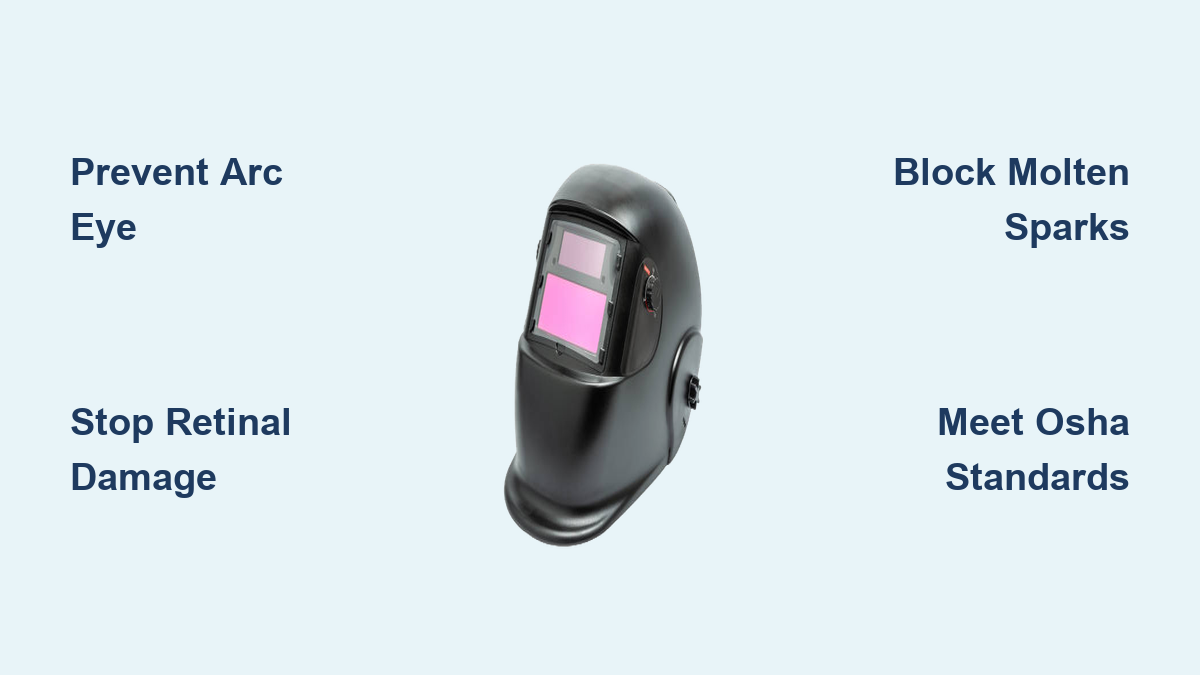
That split-second glance at a welding arc without protection can change your life forever. Welding produces radiation thousands of times more intense than natural sunlight, capable of inflicting permanent eye damage before you can even blink. A welding helmet isn’t optional equipment—it’s your critical defense against injuries that cause immediate agony and lifelong vision problems. Without this essential barrier, you risk painful arc eye, permanent retinal burns, and facial burns from molten metal that can scar you for life. Understanding why you need a helmet for welding isn’t just about following safety rules; it’s about preserving your vision and health for decades to come.
This guide details the specific dangers welding helmets protect against, explains how modern technology provides superior defense, and gives you the knowledge to select and maintain proper protection for every welding task. Whether you’re a professional welder or occasional DIYer, this information could prevent injuries that end careers and diminish quality of life.
Prevent Immediate Arc Eye from Dangerous UV Exposure
The welding arc emits ultraviolet radiation so intense that even brief exposure without protection causes arc eye—a painful corneal inflammation that feels like having sand in your eyes. This condition develops hours after exposure, bringing severe pain, excessive tearing, and light sensitivity that can prevent normal activities for days. The damage occurs because UV radiation from welding arcs far exceeds what your eyes can safely tolerate, chemically altering corneal tissue in seconds. Unlike natural sunlight that builds gradually, welding radiation hits with full intensity the moment the arc strikes, giving your eyes no chance to adapt.
You cannot rely on your natural blink reflex to protect you—by the time you react, damage has already occurred. Standard safety glasses or sunglasses provide zero protection against welding UV radiation. Only a properly rated welding helmet with the correct lens shade blocks this invisible threat while allowing you to see your work clearly. No shortcuts or improvised solutions offer adequate defense against this immediate hazard.
Stop Retinal Damage Before It Causes Permanent Vision Loss
While arc eye causes immediate pain, retinal damage from infrared radiation presents an even more insidious threat because it often occurs without warning symptoms. The retina lacks pain receptors, so you won’t feel the thermal damage as infrared radiation penetrates through your cornea and lens to burn sensitive retinal tissue. This invisible injury creates permanent blind spots in your vision that may worsen over time, yet happens without triggering any protective response.
The danger intensifies during seemingly “quick” welding tasks when you might skip helmet use for convenience. Even these brief exposures contribute to cumulative damage that can lead to significant vision impairment later in your career. Retinal burns don’t heal like surface injuries—they cause permanent structural changes to your vision that no medical treatment can reverse. Your welding helmet’s specialized lens shade is engineered to block these harmful wavelengths while maintaining the visibility you need for quality work.
Shield Your Face from Molten Metal Burns and Sparks

Beyond radiation protection, your welding helmet provides critical physical barrier defense against hot metal sparks that reach temperatures exceeding 3,000°F. These tiny projectiles travel at high velocity during welding operations, embedding themselves in unprotected skin to cause severe burns that take weeks to heal and may leave permanent scars. The helmet’s rigid shell is specifically designed to deflect these sparks or absorb their heat before they reach your face.
This protection becomes absolutely essential during overhead welding where gravity pulls sparks directly toward your head and neck. Without a helmet, even a single spark landing on your cheek can cause a second-degree burn requiring medical attention. Leather skull caps and shoulder covers work with your helmet to create comprehensive protection for overhead work, but the helmet remains your primary defense against these painful, disfiguring injuries.
Meet OSHA Standards with Proper ANSI Z87.1+ Rated Helmets
In the United States, welding helmets must comply with ANSI Z87.1+ standards that specify strict performance requirements for radiation protection, optical clarity, and impact resistance. These standards have been incorporated into OSHA regulations, making compliant helmets mandatory for professional welding operations. Failing to use properly rated helmets isn’t just unsafe—it exposes employers to significant legal penalties and leaves workers vulnerable to preventable injuries.
OSHA’s specific requirements for welding protection appear in standard 1910.133, which references appropriate shade numbers based on your welding process and amperage. These aren’t arbitrary recommendations—they represent minimum protection levels established through extensive research into welding hazards. The shade system follows a logarithmic scale where each increase represents a significant reduction in light transmission, ensuring adequate protection across different welding applications.
Select Exact Lens Shade for Your Welding Process and Amperage
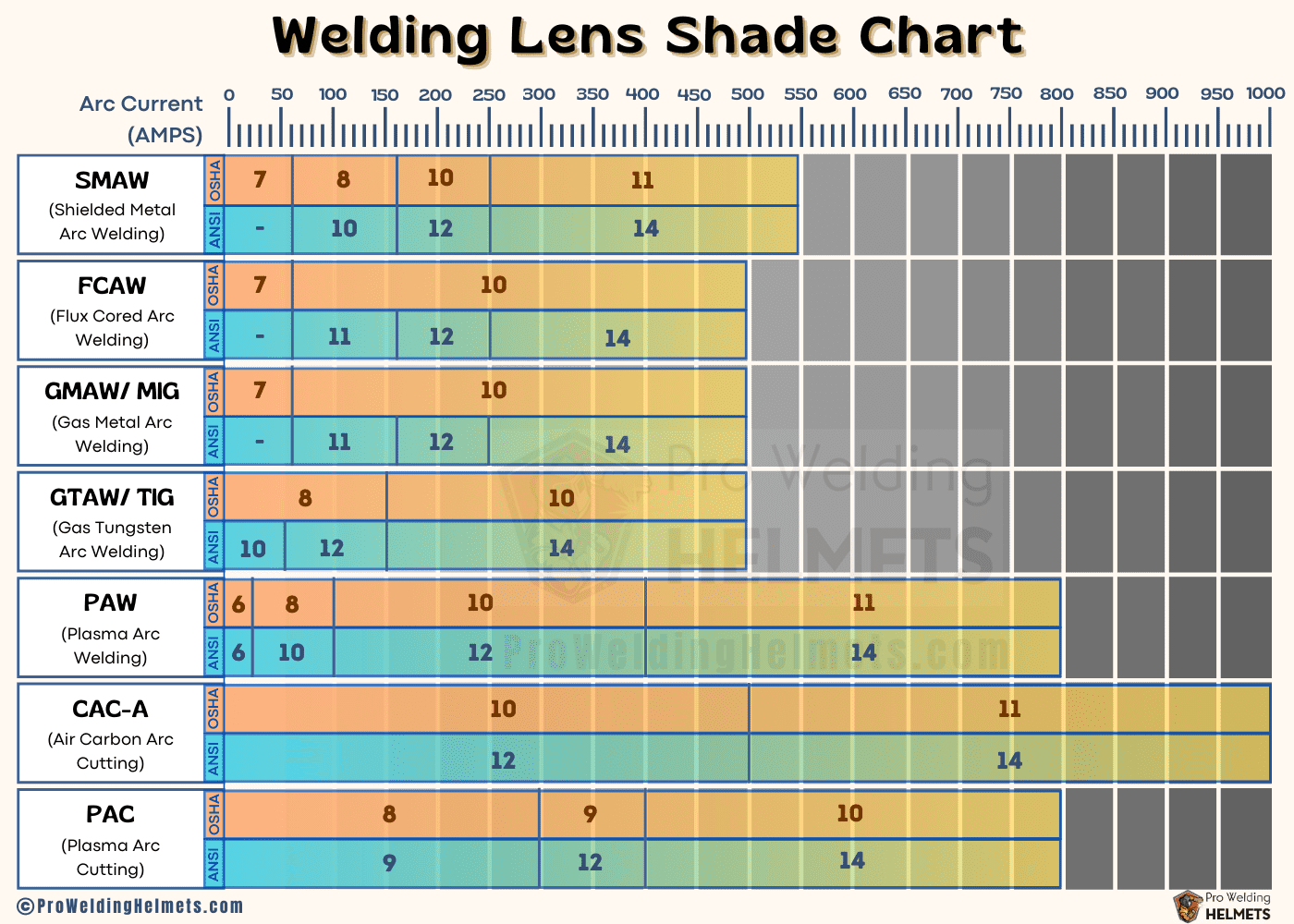
Choosing the correct lens shade represents one of the most critical safety decisions in welding. Low-amperage TIG welding typically requires shade 8-10 to balance protection with visibility of the small weld pool, while high-amperage stick welding often demands shade 12 or higher to block intense radiation. Oxyfuel welding falls in the shade 4-8 range depending on torch size and fuel type.
The proper approach involves starting with a shade too dark to see clearly, then gradually reducing to the lightest shade that still provides adequate protection—never dropping below OSHA’s minimum requirements. Modern auto-darkening helmets simplify this process with adjustable settings that automatically respond to arc intensity. Using too light a shade leaves you vulnerable to radiation damage, while too dark a shade impairs visibility and increases the risk of poor weld quality or accidents.
Avoid Long-Term Eye Conditions from Cumulative Radiation Exposure
The most dangerous aspect of welding radiation is its cumulative nature—each unprotected exposure contributes to damage that may not manifest until years later. Welders who inconsistently use helmets face significantly higher rates of chronic conditions including:
- Premature cataracts that cloud the eye’s lens and require surgical removal
- Pterygium, abnormal tissue growth across the eye surface that impairs vision
- Chronic photokeratitis, ongoing corneal inflammation causing persistent discomfort
These conditions develop slowly over decades, meaning you might not realize the damage until it’s too late to reverse. The latency period between exposure and symptoms creates a false sense of security that leads many welders to neglect consistent helmet use. Your welding helmet represents one of the most cost-effective safety investments you can make—the price of quality protection is negligible compared to potential medical costs or career-ending vision loss.
Choose Auto-Darkening Technology for Critical Millisecond Protection
Auto-darkening filter technology revolutionized welding safety by eliminating the dangerous exposure window that existed with traditional helmets. Before this innovation, welders had to manually lower their helmets after striking the arc—a split-second gap where radiation could damage unprotected eyes. Modern auto-darkening helmets respond in milliseconds, providing immediate protection the moment the arc initiates.
First introduced in 1981, today’s auto-darkening helmets offer additional benefits beyond safety:
– Maintain clear vision during setup and inspection without raising/lowering
– Reduce neck strain from repeated helmet movements
– Allow better positioning throughout the welding operation
– Feature adjustable sensitivity for different welding processes
The initial investment in quality auto-darkening technology pays dividends through improved safety, reduced physical strain, and increased productivity—making it essential equipment for both professional and serious hobbyist welders.
Inspect and Maintain Your Helmet for Continuous Protection
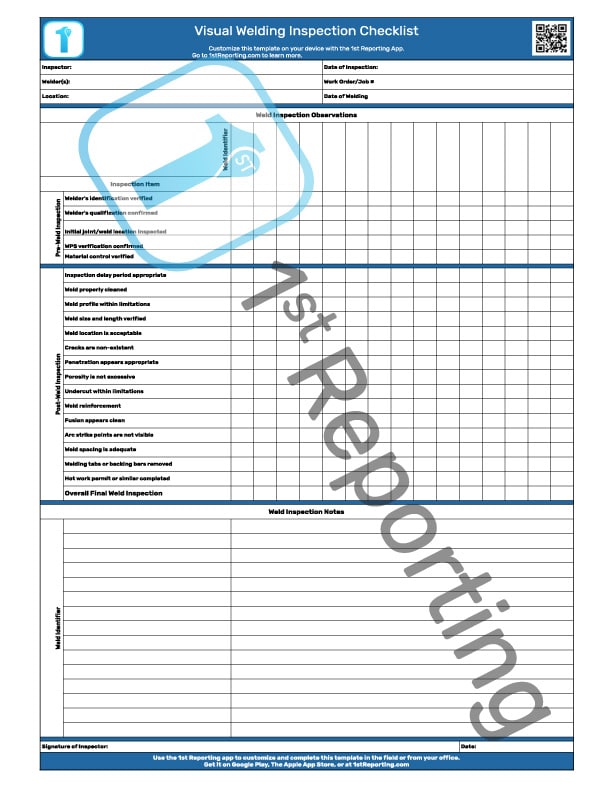
A damaged welding helmet provides false security—appearing protective while allowing harmful radiation to reach your eyes. Before each use, inspect your helmet for:
– Cracks or holes in the shell that create radiation pathways
– Scratches or discoloration on lens covers that scatter light
– Proper function of auto-darkening sensors and filters
– Battery level (if applicable) to ensure reliable operation
Replace lens covers immediately when scratched or discolored, as these defects compromise protection and visibility. Auto-darkening helmets require regular testing—expose the sensors to bright light to verify proper darkening response. Keep replacement parts on hand to maintain optimal protection without work interruption. Remember that even minor damage can significantly reduce your helmet’s protective capabilities.
Develop Unbreakable Habits for Consistent Helmet Use
Proper welding protection requires more than having the right equipment—it demands consistent habits that ensure your helmet is used correctly every time. Train yourself to:
– Lower your helmet before striking the arc, not after
– Keep the helmet lowered throughout the entire welding operation
– Resist lifting the helmet to check your work mid-bead
– Never skip protection for “just a quick task”
These habits become automatic with practice but require conscious effort initially. Understanding the immediate and long-term consequences of unprotected exposure helps reinforce these critical safety practices. Modern helmet designs address common usability concerns with improved ergonomics and features that minimize workflow disruption, making consistent protection more achievable than ever.
Your vision and health are irreplaceable resources that deserve maximum protection during welding operations. The simple act of properly wearing and maintaining your welding helmet represents the most critical safety practice in the profession—one that protects against immediate injuries and prevents chronic conditions that could diminish your quality of life for decades. Whether you weld professionally or occasionally, never compromise on this essential protection. Make helmet use non-negotiable in your welding practice, and you’ll safeguard your ability to see and work safely throughout your career.
Leave a Reply