
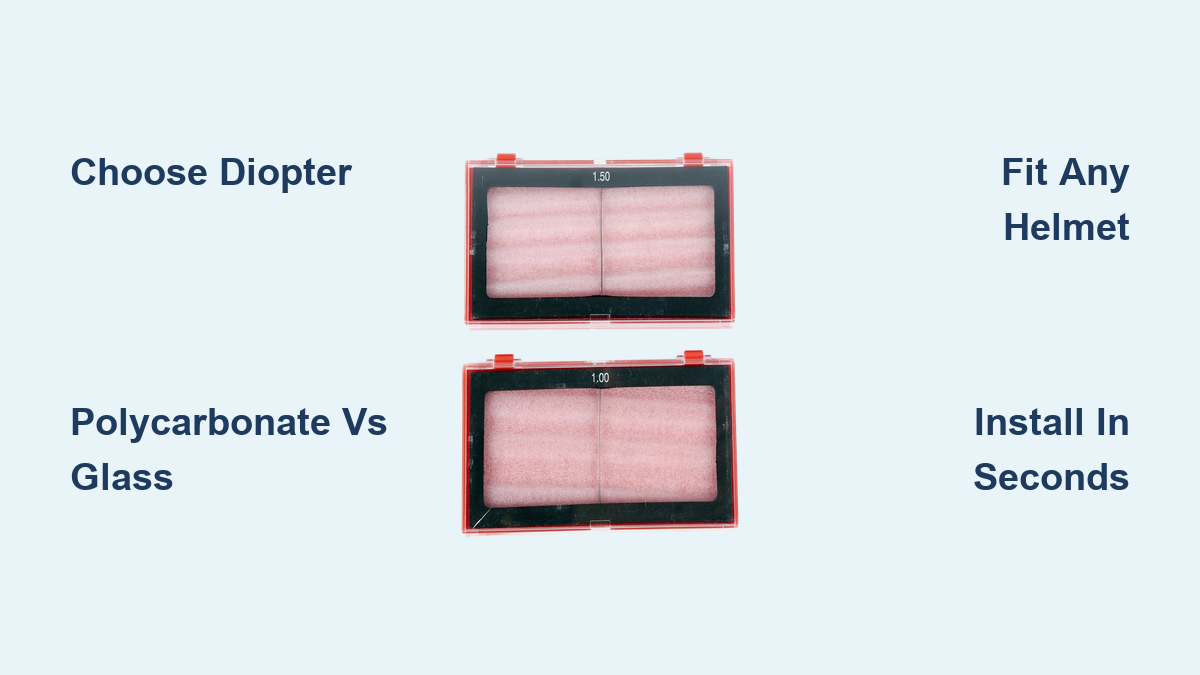
If you’re a welder over 40, chances are you’ve experienced the frustration of leaning in close to inspect a tight joint, only to find the weld puddle blurry and out of focus. Flipping your helmet down traps your reading glasses between your face and the headgear—forcing you to choose between comfort and clarity. The solution? A magnifying lens for welding helmet, commonly known as a cheater lens. These compact optical inserts slide behind your auto-darkening filter, delivering sharp close-up vision without removing your helmet or wrestling with glasses.
Designed specifically for welders affected by presbyopia—the natural decline in near vision that begins around age 40—cheater lenses restore precision and reduce eye strain. Whether you’re running delicate TIG beads on stainless steel or inspecting root passes in pipe welding, the right magnifier enhances visibility, improves arc control, and keeps you working longer with greater confidence.
In this guide, you’ll learn how to select the correct diopter strength based on your working distance, compare polycarbonate vs. glass lenses, install your magnifier in seconds, and avoid common mistakes that lead to distorted vision or safety risks. We’ll also break down the top-rated models from Lincoln, Miller, Metal Man, and budget-friendly brands—so you can make an informed decision based on performance, price, and real-world compatibility.
Choose the Right Diopter Strength
Match Magnification to Your Working Distance
The key to clear vision is selecting the correct diopter (D)—a measure of optical power. Too weak, and details remain fuzzy; too strong, and you’ll experience eye fatigue or distorted “drunk vision.” The best way to determine your ideal strength is using a simple formula:
Diopter = 1 / Working Distance (in meters)
For example:
– Welding at 50 cm (0.5 m)? → 1 ÷ 0.5 = +2.00 D
– At 40 cm (0.4 m)? → 1 ÷ 0.4 = +2.50 D
– At 67 cm (2/3 m)? → ~+1.50 D
This calculation ensures your magnifier aligns perfectly with your typical eye-to-weld distance—delivering crisp focus where it matters most.
Recommended Diopters by Welding Process
Different welding techniques require different working distances—and therefore, different magnification levels. Here’s a quick reference:
| Welding Process | Eye-to-Weld Distance | Ideal Diopter |
|---|---|---|
| TIG | 15–25 cm (6–10″) | +2.00 to +3.00 D |
| MIG | 25–40 cm (10–16″) | +1.50 to +2.50 D |
| Stick (SMAW) | 30–50 cm (12–20″) | +1.00 to +2.00 D |
| Plasma Cutting | 30–60 cm (12–24″) | +1.00 to +1.75 D |
| Inspection Work | <15 cm (6″) | +2.50 to +3.50 D |
TIG welders benefit most from higher magnification due to the precision required, while stick and plasma users typically need less.
Test With Reading Glasses First
Before buying, test various strengths using inexpensive reading glasses (+1.00 to +3.00 D). Wear them under your helmet during practice runs. The pair that gives you the clearest, most comfortable view—without neck strain or blurriness—is your target diopter. This low-risk method prevents costly mistakes and ensures optimal performance.
Compare Lens Materials: Polycarbonate vs Glass

Polycarbonate Lenses: Lightweight & Impact-Resistant
Most cheater lenses are made from polycarbonate (PC), a durable, lightweight plastic weighing just 0.88–1.6 oz (25–45g). This minimal weight avoids adding neck strain during long shifts.
Pros:
– Shatter-resistant and safe in high-impact environments
– Often includes anti-scratch coating (e.g., Metal Man MMAG2.75-2PK)
– Affordable and widely available
– Flexible fit in tight helmet housings
Cons:
– Slight edge distortion on lower-quality models
– Optical clarity not quite as sharp as glass
– Can yellow over time with prolonged UV exposure
Best for: Daily use, MIG/TIG welders who value comfort and durability.
Glass Lenses: Superior Clarity for Precision Work
For unmatched visual sharpness, glass lenses are the premium choice. They offer crystal-clear optics with no color distortion—ideal when every millimeter counts.
Pros:
– Exceptional clarity and color fidelity
– Resistant to scratching and yellowing
– Long-lasting performance under intense conditions
Cons:
– Heavier than PC, potentially increasing fatigue
– Risk of cracking if the helmet is dropped
– Typically more expensive
Top pick: BEST WELDS 3.50 D glass lens—the highest magnification available, perfect for inspection and micro-welding.
Fit Any Standard Helmet: Universal Compatibility
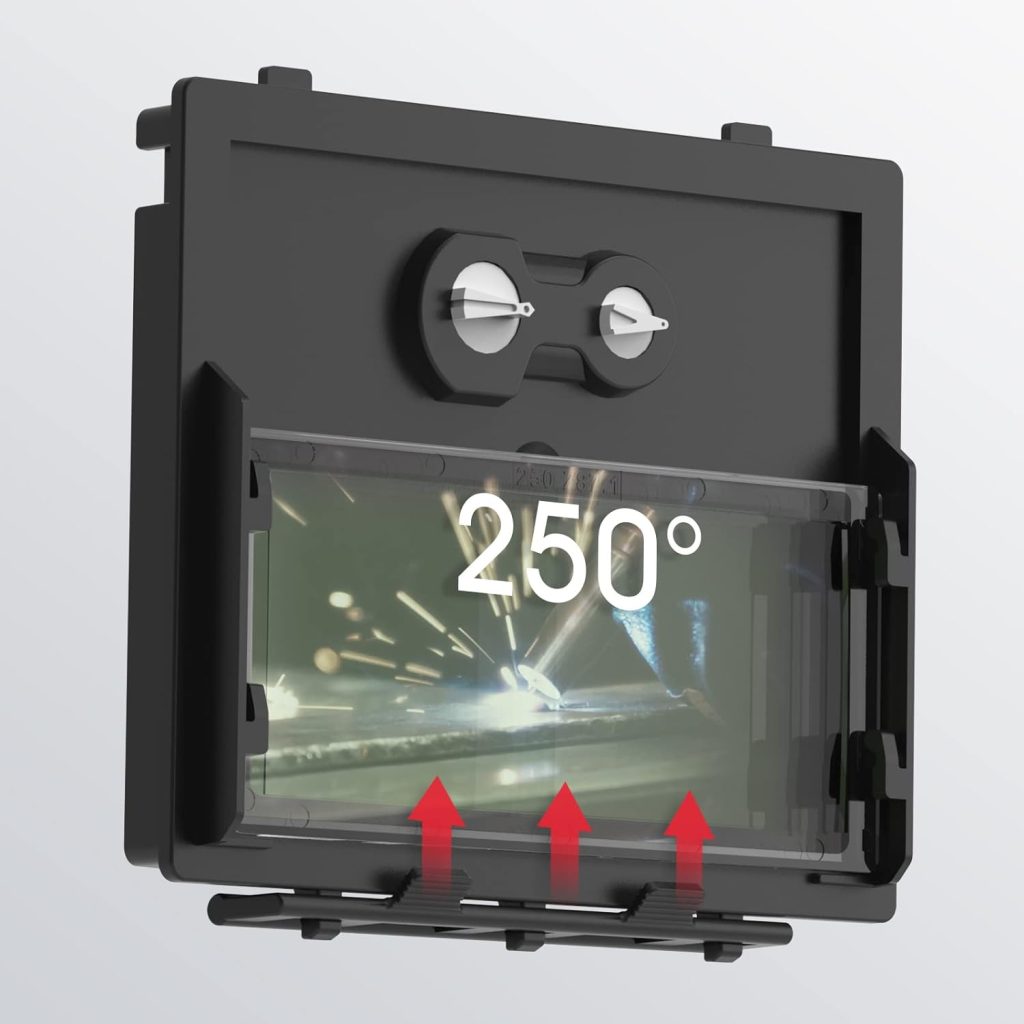
Standard Size Fits Most Helmets
The vast majority of magnifying lenses for welding helmets use a 2″ × 4.25″ (50.8 × 108 mm) footprint, designed to fit:
– Lincoln Electric
– Miller
– Jackson Safety
– Hobart
– Everlast
– Tregaskiss
– Bernard
These are true universal-fit inserts—no modifications needed. Just slide them behind the auto-darkening filter and secure with the inner clear lens.
Extended Size for Wider Viewing Area
Some brands like YesWelder and ARCCAPTAIN offer 3.54″ × 4.25″ (89.9 × 108 mm) lenses for a broader field of view. Confirmed compatible with:
– YesWelder Q800D, M800H
– ARCCAPTAIN digital helmets
– Many Hobart and Jackson models (user-tested)
Note: Avoid these in tight housings like W700A, 900B, or 1980GK series—they may not fit without modification.
Miller-Specific Dimensions
Miller’s genuine lenses measure 4.5″ W × 2.1″ H × 0.20″ T (114 × 53 × 5 mm). While slightly different from standard size, they fit most major brands thanks to the flexible shroud design.
Install in Seconds: No Tools Required
Slide Into Lens Compartment
Installing a cheater lens takes less than 30 seconds:
1. Flip up your helmet.
2. Remove the inner clear protective lens (if present).
3. Slide the magnifier behind the auto-darkening filter.
4. Reinstall the clear lens to hold it securely.
No adhesives, clips, or tools needed.
Visual Cues for Proper Fit
- No wobbling or tilting
- Full visibility through the viewing window
- No pressure on the ADF module
If the fit feels tight, do not force or trim the lens—this can crack it or void safety compliance. Try a different brand or size instead.
Missing Instructions? Here’s the Fix
A common complaint: no installation guide included (YesWelder, ARCCAPTAIN, generics). If yours came bare, follow the universal steps above—they work across 95% of helmets.
Top Picks: Best Magnifying Lenses Reviewed
Best Overall: Lincoln Electric KP3046-200 (+2.00 D)
- Price: $11.89 (often drops to $10.00)
- Size: 2″ × 4.25″
- Material: Likely polycarbonate
- Why It Wins: Trusted OEM brand, fits nearly all helmets, 4.6/5 rating, durable, widely available
Ideal for TIG and MIG welders needing reliable +2.00 magnification.
Best Value: HARFINGTON 3-Pack (2.5 D, 3.54″×4.25″)
- Price: $18.19 for 3 lenses
- Size: Extended wide view
- Material: Polycarbonate
- Why It Wins: Bulk savings, large viewing area, perfect for shared shops
At just $6.06 per lens, it’s the smart choice for teams and frequent replacements.
Best for Precision: Metal Man MMAG2.75-2PK (+2.75 D)
- Price: $10.99 (2-pack)
- Feature: Anti-scratch coated PC
- Unique Advantage: Only widely available +2.75 D option
- Ideal For: Jewelry repair, pipe welding, inspection
Users praise its sharp focus and durability—even after months of daily use.
Best Budget Single: Clear +2.00 Lens (No Brand Listed)
- Price: $7.80
- Size: 2″ × 4.25″
- Material: Unknown
- Best For: First-time testers or occasional users
Lowest-cost entry point. Works fine for basic clarity—just don’t expect premium coatings.
Best Multi-Diopter Pack: 5-Piece Variety Set (1.0–3.0 D)
- Price: $17.93
- Includes: All major strengths
- Why Buy: Test multiple diopters risk-free
- Great For: Training programs, multi-user environments
Discover your ideal strength without buying single lenses one at a time.
Avoid These Common Mistakes
Using the Wrong Magnification
Too strong? Vision blurs, distorts, or feels “off.” One Miller user said: “Makes me feel drunk.” Stick to the working distance formula—don’t guess.
Installing Without a Holder
Never let the lens float loose. Always secure it with the inner clear lens or shroud. Unsecured magnifiers can shift, block view, or fall into the weld zone.
Confusing It With UV Protection
Critical: A cheater lens provides zero UV/IR protection. It must be used behind your auto-darkening filter. Never weld with only a magnifier in place.
Ignoring Lens Care
Scratches ruin clarity. Clean only with:
– Microfiber cloth
– Non-abrasive lens cleaner
Avoid paper towels, solvents, or wiping dry—these scratch PC surfaces.
Maintenance & Longevity Tips
With proper care:
– Polycarbonate: Lasts 1–2 years (may yellow from UV)
– Glass: Lasts 2–3+ years (resists aging)
Replace if:
– Scratched, cracked, or distorted
– Coating is peeling
– Vision appears blurry
Store in a protective pouch (included with some brands), and rotate 2–3 spares to extend life and ensure readiness.
Safety First: What You Must Know
California Prop 65 Warning Applies
Many lenses (YesWelder, others) carry this notice:
WARNING: This product can expose you to chemicals known to the State of California to cause cancer and reproductive harm.
www.p65warnings.ca.gov
This relates to manufacturing materials, not usage risk. The lens is safe when used as intended.
No Impact on ANSI/CSA Compliance
Cheater lenses are passive optics. As long as they:
– Don’t interfere with the ADF
– Are secured properly
– Don’t block the viewing area
…your helmet remains compliant with ANSI Z87.1 and CSA Z94.3 standards.
Final Verdict: Is a Magnifying Lens Worth It?
Yes—if you:
– Are over 40 and losing near vision
– Weld fine joints or small parts
– Use TIG or do detailed fabrication
– Hate switching glasses on and off
A magnifying lens for welding helmet pays for itself in hours saved, fewer reworks, and less eye fatigue.
Quick Buying Checklist
✅ Know your working distance
✅ Choose correct diopter (+1.50 to +2.50 covers most)
✅ Pick material: PC (lightweight) or glass (clearer)
✅ Confirm size fits your helmet
✅ Buy from reputable brand or pack (Lincoln, Miller, Metal Man)
✅ Keep spare lenses on hand
Bottom Line: Whether you’re a pro or weekend warrior, a cheater lens restores the precision your eyes once had. Start with a +2.00 D Lincoln KP3046-200 or test a 5-pack variety set—and weld sharper, safer, and more comfortably than ever.