
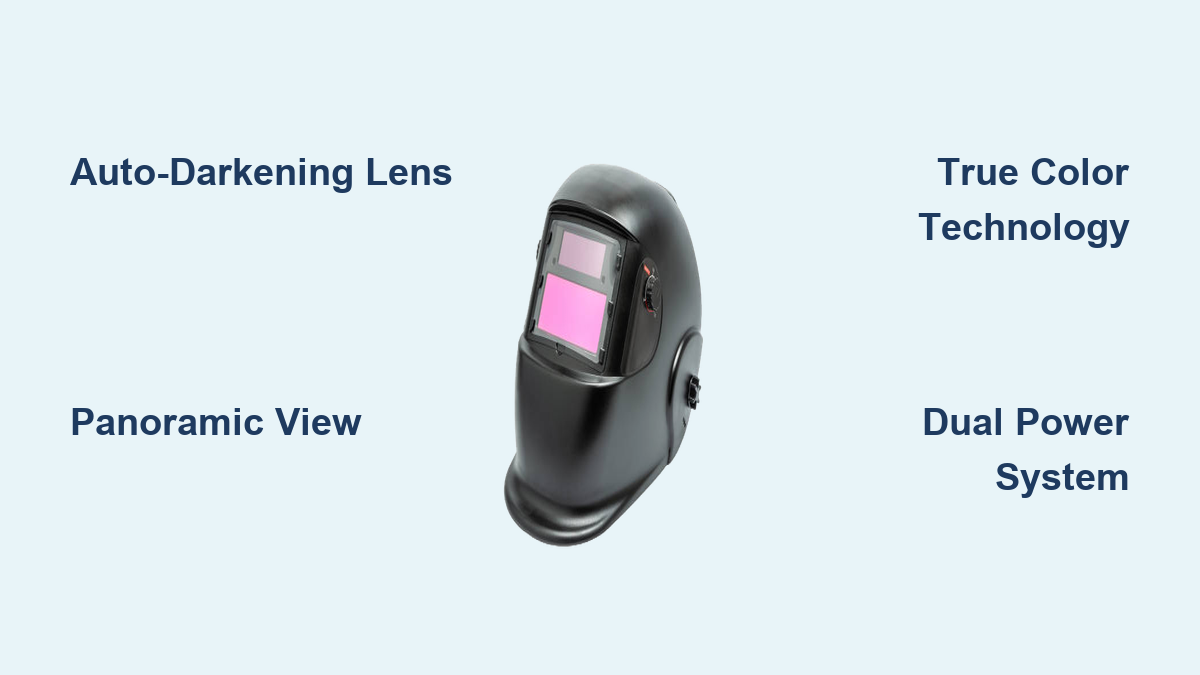
If you’re asking, “How much is a welding mask?” — you’re not just comparing prices. You’re making a decision that affects your safety, productivity, and long-term comfort every time you weld. The answer spans from $12 for a basic fixed-shade hood to nearly $3,000 for high-end PAPR-integrated systems. But most welders find the sweet spot between $25 and $600, where performance, protection, and value converge.
So why such a wide range? It’s not just branding — it’s lens technology, switching speed, viewing area, safety certifications, and durability. Whether you’re a weekend DIYer fixing a trailer hitch or a certified fabricator working 40-hour weeks, choosing the right helmet means understanding what you’re paying for — and what you can’t afford to skip.
In this guide, you’ll discover exactly how much to expect at every price point, which features actually matter, and how to pick the best welding mask for your needs — without overspending or cutting corners on safety.
Entry-Level Helmets: $12–$50 — Budget Protection That Works
Just because you’re on a tight budget doesn’t mean you have to compromise on safety. Many entry-level welding masks meet ANSI Z87.1 standards and offer reliable protection for light-duty or occasional use.
Top Budget Picks
-
QWORK Flip-Open Leather Hood – $11.97
Made from flame-resistant leather, this passive (fixed-shade 11) hood is perfect for quick jobs. No electronics, no batteries — just solid, durable protection. -
TOPDC Flip-Front Helmet – $19.99
A lightweight, fixed-shade 11 helmet with adjustable headgear. Simple and effective for beginners learning the basics. -
YESWELDER L500A-Q – $35.60
One of Amazon’s top-selling auto-darkening helmets. Features shade 3.5–13, solar power, 2 arc sensors, and a 4.6-star rating from over 19,700 reviews. -
VILSIN K23-5022-LY – $32.29
Auto-darkening with 2 sensors, shade 3/4–13, and solar charging. Boasts a rare 4.9-star rating from 62 users — proof of solid performance.
🔧 Pro Tip: Avoid single-sensor helmets. Two sensors ensure consistent activation, especially when welding at odd angles.
What You Gain (and What You Miss)
✅ Pros:
– Meets basic ANSI safety standards
– Lightweight and easy to use
– Often includes free extras like gloves or extra lenses
❌ Limitations:
– Small viewing area (~6 sq in)
– Slower switching speed (around 1/20,000 sec) — slight delay means brief UV exposure
– No grinding mode on some models
– Lower build quality; may degrade after months of daily use
For hobbyists, DIYers, or occasional welders, these helmets deliver solid value. But if you’re welding more than once a month, consider stepping up.
Mid-Range Helmets: $50–$200 — Where Performance Meets Value

This is the sweet spot for most serious welders. At this price, you gain larger lenses, faster response times, dual power (solar + battery), and better ergonomics — features that reduce fatigue and improve accuracy.
Top Mid-Tier Models
-
Miller Classic Series – $126–$146
Features ClearLight lens technology, 4 arc sensors, and a 4-year warranty. Trusted by trade schools and contractors for reliability. -
Lincoln Viking 1740 – $159–$181
Durable, auto-darkening helmet with shade 9–13, rugged build, and excellent optics. A solid upgrade from budget models. -
ESAB Sentinel A60 – $376–$399
Offers ANSI Z87.1 compliance, wide shade range, and often comes with a free $50–$100 gift card for additional gear. -
ARCCAPTAIN HSH-S800 – $33.99
Skeleton-style design cuts weight. Surprisingly fast 1/25,000-second response time and 4 sensors — outperforms some pricier models.
⚠️ Watch Out: Some mid-range helmets advertise “crystal clear” optics but deliver green-tinted views. Look for true color or natural color technology if color accuracy matters for TIG or precision work.
Why Upgrade from Budget?
Moving up gives you:
– Larger viewing window (up to 3.8” x 1.6”) — see more of your work without moving your head
– Dual power system — solar plus battery backup ensures the lens works even in low light
– Grinding mode (shade 3) — switch tasks without removing the helmet
– Better headgear — dial-adjust ratchets for a secure, comfortable fit
These upgrades save time, reduce neck strain, and help you produce cleaner welds — especially during multi-hour sessions.
Professional-Grade Helmets: $200–$600 — Built for Full-Time Work
For professionals who weld daily, this range delivers panoramic views, true color rendering, ultra-fast lens response, and long-term durability.
Top Professional Models
- Lincoln Viking 3350 (4th Gen) – $453–$489
The world’s best-selling professional helmet. Features: - 10×10 ADF with shade 3.5–13
- 5-year lens warranty — the longest in the industry
-
Over hundreds of 5-star reviews on Amazon and industrial suppliers
-
3M Speedglas G5-03 E – $203 (after $16 rebate)
Originally $265, now discounted. Offers: - 12.5 sq in panoramic view
- Natural Color Technology — metals appear in true tones, not green or blue
-
Lightweight and balanced for all-day comfort
-
3M Speedglas G5-03 Pro – $438.85
Adds a tack welding filter for precise control — ideal for TIG welders working on thin materials. -
Optrel Crystal 2.0 – $574
Premium Crystal Lens technology provides unmatched clarity, especially in low-light or tight spaces. -
Miller Digital Elite – $328
Digital display shows settings in real time, 4-sensor detection, and large viewing area.
💡 Expert Note: The Viking 3350 dominates this tier not because it’s the most expensive, but because it delivers consistency, comfort, and legendary warranty support.
Key Advantages Over Cheaper Models
- True Color Vision: See molten puddles and base metal clearly — reduces rework
- Panoramic Viewing (up to 12.5 sq in): See more of your workspace without moving your head
- Faster Switching (1/25,000 sec): Instant protection the moment the arc strikes
- Longer Warranties: 4–5 years on lenses vs. 1 year or less on budget models
- Better Weight Distribution: Reduces neck strain during 8-hour shifts
For TIG, MIG, or structural welding, these helmets pay for themselves in productivity and reduced fatigue.
Premium & Specialty Helmets: $600–$2,899 — Industrial-Grade Safety Systems

At the top end, welding helmets become integrated safety ecosystems. These are designed for hazardous environments, continuous use, and respiratory protection.
High-End Models & Features
- Optrel Panoramaxx w/ Crystal Lens – $639
- Ultra-wide panoramic view (12.5 sq in)
- Crystal-clear optics with anti-fog coating
-
Compatible with PAPR systems for full respiratory protection
-
3M Speedglas G5-02 – $898
- Curved ADF for distortion-free vision
- Premium build quality and advanced ergonomics
-
Designed for continuous industrial use
-
Miller PAPR w/ T94i-R Helmet – $2,300
- Powered Air-Purifying Respirator (PAPR) built-in
- Constant filtered airflow keeps you cool and safe in fume-heavy environments
-
Meets NIOSH, ANSI, and CSA standards
-
Highest Price on Record: $2,899.00
Top-tier PAPR-integrated systems used in shipbuilding, petrochemical, and aerospace industries
🛡️ When You Need PAPR:
If you’re welding galvanized steel, stainless, or in enclosed spaces, fumes can be deadly. A PAPR helmet filters out hazardous particles and provides positive-pressure airflow — essential for OSHA compliance.
These models aren’t overkill — they’re life-saving gear for serious industrial work.
Auto-Darkening vs. Passive Helmets: Which Should You Choose?
The choice comes down to how often you weld and what kind of work you do.
Auto-Darkening Helmets
- Price: $30 – $2,899
- Best For: Professionals, frequent welders, precision tasks
- Pros:
- No need to lift the helmet between passes
- Faster workflow and better accuracy
- Many include grinding mode
- Cons:
- Requires batteries or solar charging
- More expensive to repair or replace lenses
Passive (Fixed-Shade) Helmets
- Price: $12 – $50
- Best For: Occasional use, quick repairs, teaching
- Pros:
- No batteries or electronics
- Extremely durable
- Lowest cost
- Cons:
- Must lift helmet to inspect work
- Less convenient for continuous welding
✅ Bottom Line: If you weld more than once a month, auto-darkening is worth the upgrade.
Lens Technology: What Drives the Price?
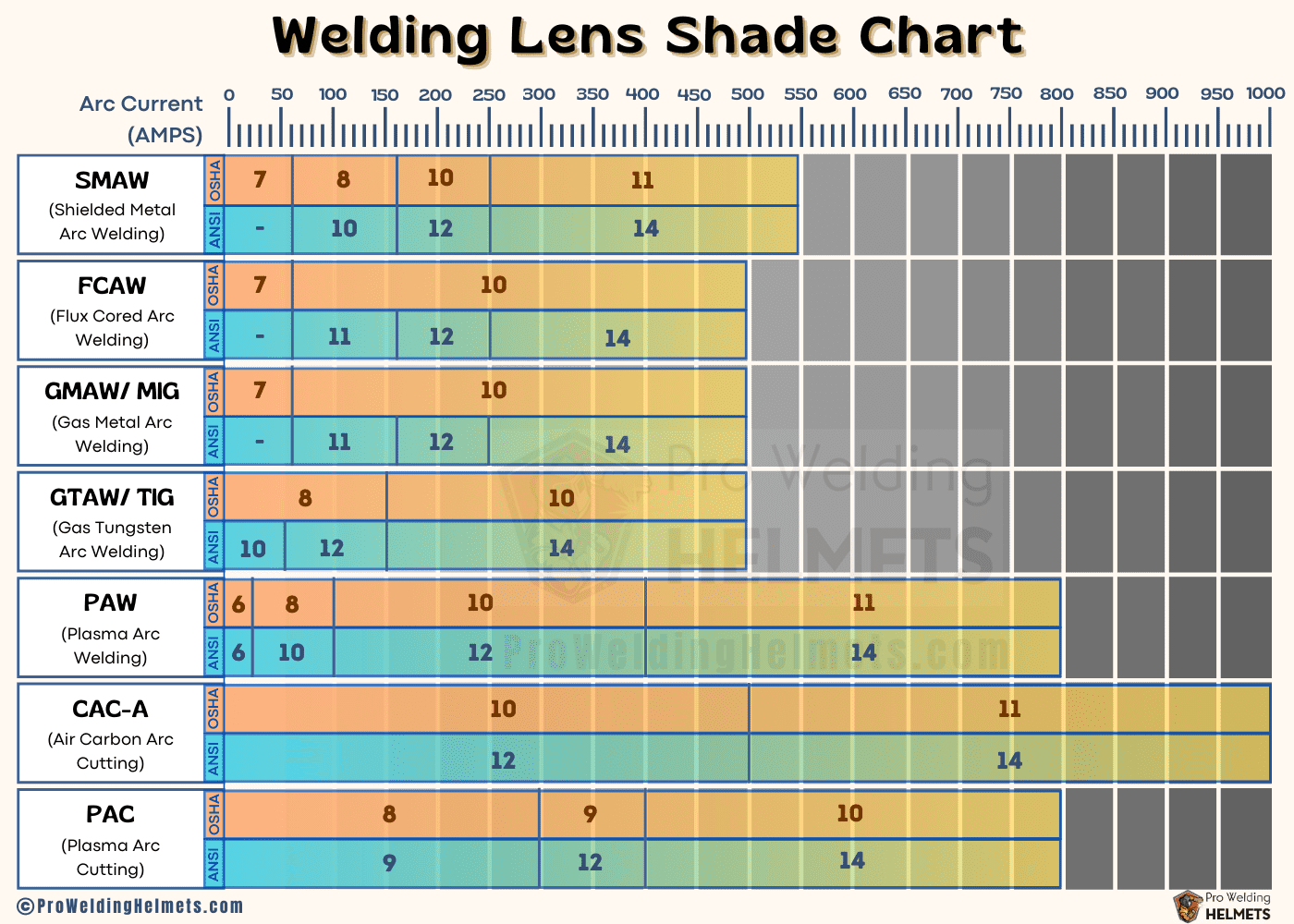
The lens is the heart of any welding helmet — and the biggest factor in cost differences.
Key Lens Features
- Shade Range:
- Standard: Shade 9–13
- Extended: Shade 3.5–13 (includes grinding mode)
-
Light State: Shade 3–5 when idle — lets you see clearly before welding
-
Viewing Area:
- Standard: ~6 sq in
- Large: Up to 3.86” x 1.61”
-
Panoramic: 12.5 sq in — game-changer for visibility
-
Response Time:
- Fastest: 1/25,000 second — nearly instantaneous
-
Slower models may allow brief UV exposure
-
True Color / Natural Color Technology:
- Found in 3M, Optrel, Lincoln Viking
- Renders molten metal in natural tones, not green or blue
-
Reduces eye strain and improves puddle control
-
Arc Sensors:
- 2-Sensor: Basic detection — may miss off-angle arcs
- 4-Sensor: Reliable activation from any angle — crucial for overhead or tight joints
🔍 Visual Cue: When testing a helmet, watch how quickly it darkens when you simulate an arc (e.g., striking a lighter nearby). Any delay means risk.
Replacement Parts & Long-Term Costs
Even the best helmet needs maintenance. Know the cost of upkeep before buying.
| Part | Example | Price |
|---|---|---|
| Auto-Darkening Filter (ADF) | Lincoln 2X4C | $147–$154 |
| Outside Cover Lens (pack of 5) | Lincoln KP2898-1 | $23.46 |
| Inside Cover Lens (pack of 5) | Lincoln KP3044-1 | $13.03 |
| Helmet Bib (Leather) | Lincoln KP3729-1 | $34.81 |
| Headgear Kit | Viking X6 (KP4470-1) | $58.82 |
| Sweatband (2-pack) | Viking All Purpose | $17.86 |
💸 Cost Alert: Replacing an ADF can cost half the price of a budget helmet. Always factor in long-term maintenance.
Final Answer: How Much Should You Pay?
| Budget Level | Price Range | Best Value Pick |
|---|---|---|
| Entry-Level | $12 – $50 | YESWELDER L500A-Q ($35.60) |
| Mid-Range | $100 – $200 | Miller Classic ($126) |
| Professional | $200 – $600 | Lincoln Viking 3350 (~$475) |
| Premium | $600 – $2,899 | Optrel Panoramaxx ($639) |
✅ Best Overall Value: The Lincoln Viking 3350 — 5-year lens warranty, panoramic view, proven reliability.
✅ Best Budget Buy: YESWELDER L500A-Q — under $36, 4.6 stars, packed with essentials.
Final Thoughts: Invest in Your Vision
A welding mask isn’t just a cost — it’s protection for your eyes, lungs, and long-term health. While a $12 hood might seem like a deal, it won’t match the safety, comfort, or efficiency of a $150 auto-darkening model.
Start with your welding frequency, environment, and budget. Then choose the best helmet you can afford — your future self will thank you.
Whether you’re grinding in the garage or building steel structures on-site, there’s a welding mask at every price point that fits your needs. Now you know exactly how much to expect — and what’s worth every dollar.