
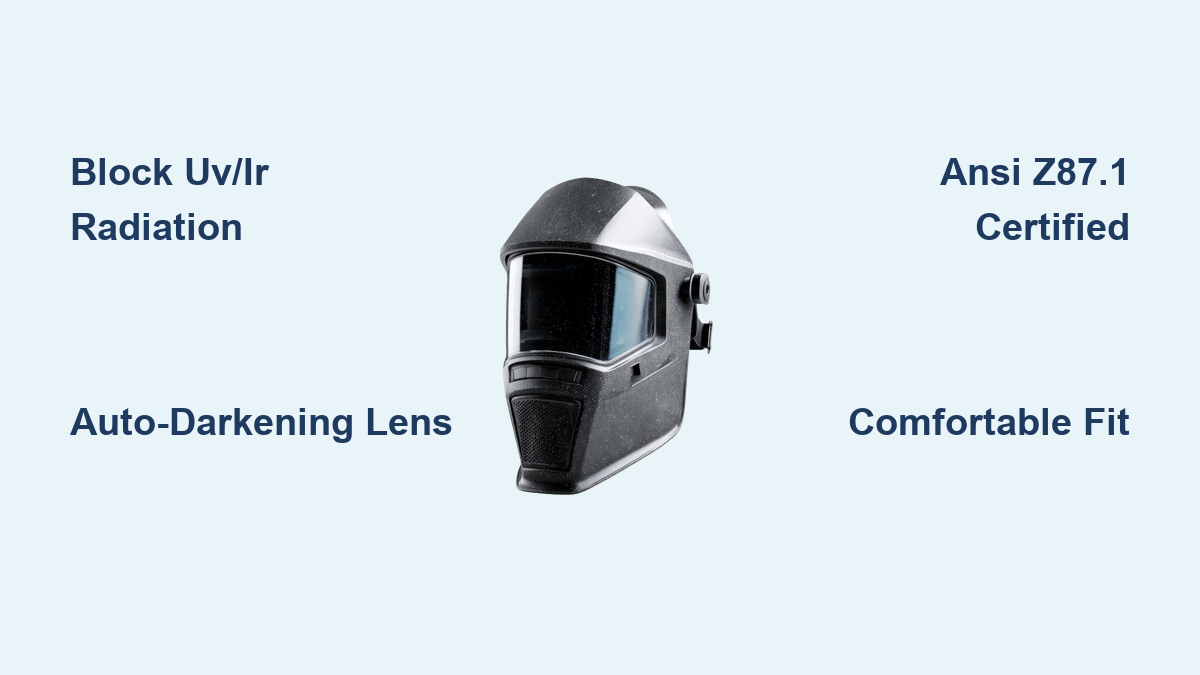
Every welder knows the sting of arc eye or the burn of stray sparks on the neck. Without protection, welding isn’t just uncomfortable—it’s dangerous. A welding helmet is the frontline defense, shielding your eyes, face, and head from intense light, heat, and debris. Whether you’re striking an arc with a MIG gun or grinding a weld joint, this essential piece of gear keeps you safe and working efficiently.
Modern welding helmets do more than block UV and infrared radiation—they enhance visibility, reduce fatigue, and adapt to your workflow. From basic fixed-shade models to high-tech auto-darkening versions with Bluetooth tracking, today’s helmets blend safety with smart design. And with standards like ANSI Z87.1 ensuring quality, choosing the right helmet means understanding not just protection, but performance. In this guide, you’ll learn how welding helmets work, what features matter most, and how to pick the best one for your needs.
Block Harmful Radiation from the Welding Arc
The welding arc produces one of the most hazardous light sources in industrial work. It emits extreme levels of ultraviolet (UV), infrared (IR), and intense visible light—far beyond what the human eye can safely handle.
Prevent Arc Eye and Retinal Damage
Even brief exposure to an unprotected arc can cause photokeratitis, commonly known as arc eye. This painful condition feels like sand in the eyes and often appears hours after welding. It’s caused by UV radiation burning the cornea—a risk every unshielded welder faces.
Longer or repeated exposure increases the danger of retinal damage. Infrared light and bright visible rays can overheat the retina, potentially leading to permanent vision loss. Unlike skin burns, eye damage may not be immediately noticeable, making prevention critical.
A quality welding helmet filters 99.99% of UV and IR radiation, even when the lens is in its light state. This means your eyes are protected before you strike the arc, during welding, and after you finish—no gaps in safety.
Stop Skin Burns from UV Exposure
UV radiation doesn’t just harm the eyes—it affects exposed skin too. The face, neck, and scalp are especially vulnerable during overhead or extended welding sessions. Prolonged exposure leads to severe sunburn-like injuries and increases long-term skin cancer risk.
Welding helmets cover these areas with durable, UV-resistant shells, blocking harmful rays before they reach your skin. Some welders add leather skull caps or neck capes for full protection during high-exposure tasks.
Defend Against Sparks, Spatter, and Impact Hazards
Beyond light, welding generates dangerous physical byproducts that can cause burns, injuries, or even fires.
Shield Against Molten Metal and Flying Debris
During MIG or stick welding, molten metal spatter flies at high speed and temperature. These tiny droplets can stick to skin, ignite clothing, or damage nearby equipment. Grinding operations produce sharp slag fragments and metal chips that travel with enough force to injure unprotected skin or eyes.
Welding helmets feature a tough outer shell made from heat-resistant nylon or fiberglass, designed to withstand repeated impacts from hot particles. This barrier keeps you safe without compromising mobility.
Meet ANSI Impact Standards for Workplace Safety
Many industrial environments require helmets rated for impact resistance. Helmets marked Z87+ meet ANSI Z87.1 standards for both optical clarity and high-velocity impact protection. This certification ensures the helmet can withstand a 1/4-inch steel ball dropped from 50 inches—critical in construction, fabrication, and pipeline work.
How Auto-Darkening Lenses Work: Fast Protection, Clear Vision
Auto-darkening technology has revolutionized welding safety and efficiency. Instead of lifting a dark hood repeatedly, welders now enjoy seamless transitions between viewing and welding modes.
Sensor Detection Triggers Instant Darkening
An auto-darkening filter (ADF) uses 2 to 4 sensors placed around the lens to detect the sudden burst of light from an arc. When triggered, an electronic control unit sends voltage to liquid crystal cells, changing their alignment and darkening the lens in as little as 1/25,000th of a second.
This near-instant response prevents flash exposure and protects your vision with precision. More sensors improve detection, especially during out-of-position welding like overhead or vertical joints where the arc may not face forward.
Adjustable Settings for Precision Control
Top-tier helmets offer customizable settings:
– Sensitivity: Adjusts how easily the sensor reacts—ideal for low-amperage TIG welding.
– Delay: Sets how long the lens stays dark after welding ends, useful for pulsing techniques or short welds.
– Grind mode: Keeps the lens clear so you can switch to grinding without removing the helmet.
These controls let you tailor performance to your process, improving accuracy and reducing eye strain.
Fixed vs. Auto-Darkening: Choosing the Right Lens Type
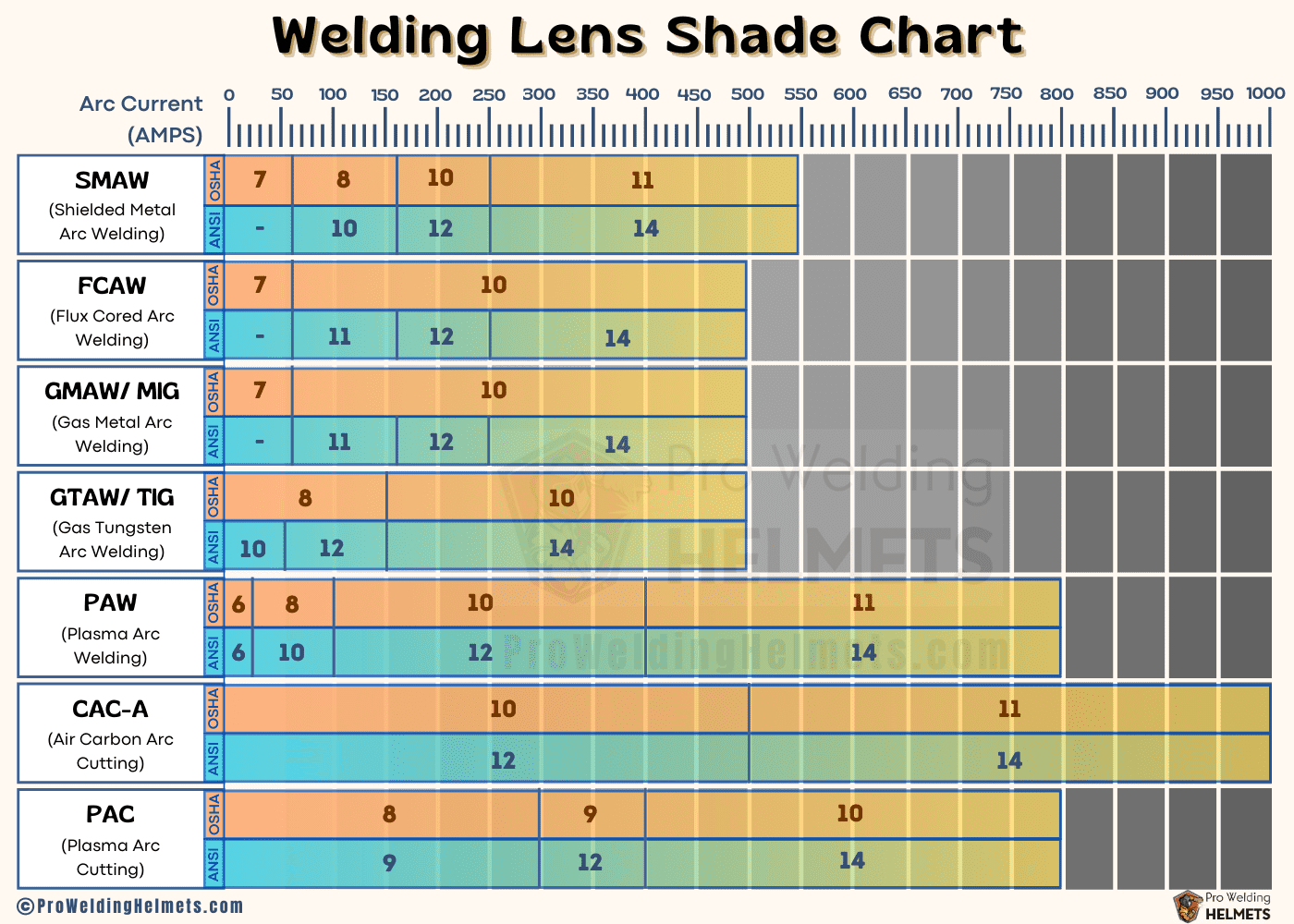
Not all helmets are created equal. Your choice depends on frequency of use, welding processes, and comfort needs.
Fixed-Shade Helmets: Simple and Affordable
Fixed-shade helmets have a permanently dark lens, typically shade #10, offering consistent protection. They’re inexpensive, durable, and require no batteries—perfect for beginners or occasional DIY projects.
But they come with major drawbacks: you must lift the helmet to see your work, slowing down workflow and increasing neck strain over time. For multi-process welding, they’re inefficient and outdated.
Auto-Darkening Helmets: Professional Performance
Auto-darkening models dominate professional settings. They start in a light state (shade 3–4), allowing clear vision before welding. Once the arc strikes, they instantly darken to a preset level (usually shade 9–13), then return to light mode when done.
These helmets boost productivity, reduce fatigue, and support complex tasks. Premium versions include 4C® clarity, panoramic viewing, and dual-power systems (solar + replaceable battery), making them ideal for full-time welders.
Key Features That Define a Quality Welding Helmet
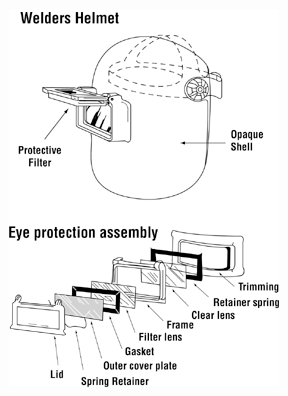
Beyond basic protection, the best helmets deliver superior visibility, comfort, and reliability.
Large Viewing Area Reduces Eye Strain
Entry-level helmets often have small windows (7 in²), limiting your field of view. High-end models offer 9.3 to 12.5 in² of viewing area, giving you a panoramic view of the weld zone.
Larger lenses reduce head movement and improve precision, especially on intricate joints or long seams. Technologies like Panoramaxx CLT eliminate distortion and provide true-color imaging.
Optical Clarity Rated 1/1/1/1 for Best Vision
Optical quality is measured on a DIN 1/1/1/1 scale, where “1” is perfect. This rating covers clarity, minimal distortion, and consistency across the lens.
Low-quality lenses cause blurriness, color shifts, and eye fatigue. Premium ADFs use advanced coatings and crystal layers to deliver sharp, natural vision—critical for detailed TIG or precision fabrication work.
Four Sensors Ensure Reliable Arc Detection
Two-sensor helmets may miss side arcs or fail during awkward angles. Four-sensor models detect arcs from all directions, ensuring consistent performance even in challenging positions.
Reflector-enhanced designs further boost reliability, making them essential for structural, shipbuilding, or overhead applications.
Fast Switching Speed Protects Your Eyes
Reaction time matters. Entry-level ADFs react in 1/20,000 second, while top models respond in ≤1/10,000 second. Faster switching means less flash exposure and reduced risk of eye damage.
For frequent welders, investing in microsecond-level response is a smart move for long-term eye health.
Dual-Power Systems Work in Any Lighting
Auto-darkening helmets need power. Solar-only units fail in shaded areas. Replaceable batteries (AAA/lithium) are user-friendly but eventually die.
Dual-power systems combine solar panels with replaceable batteries, ensuring operation in all conditions—from bright daylight to dim indoor shops.
Comfort and Fit: Reduce Neck Strain During Long Shifts

A heavy or poorly balanced helmet causes fatigue, headaches, and reduced focus.
Lightweight Design Under 20 Ounces
The ideal helmet weighs under 20 oz. Lighter materials like reinforced nylon reduce pressure on the neck, especially during 8-hour shifts.
Advanced Headgear for All-Day Wear
Premium models feature adjustable ratchets, multi-point tension control, and padded sweatbands. Systems like Optrel IsoFit or Viking X6 distribute weight evenly, preventing forward tilt and discomfort.
Proper fit ensures stability during movement—critical for out-of-position welding.
Helmet Styles for Every Welding Application
Different jobs demand different designs. Choose based on your work environment and workflow.
Pipeliner (Eggshell) Helmets for Full Protection
Deep, curved shells offer maximum coverage. Popular among pipeline welders, these helmets are often modified with flip-up adapters or “chopped” for better balance—though internal ANSI Z87.1 markings must remain intact.
Slim-Fit Square Body Helmets for Efficiency
Low-profile designs with built-in flip-up mechanisms provide excellent weight distribution. These modern helmets reduce neck strain and integrate seamlessly into fast-paced fabrication shops.
Pancake and Pocket Hoods for Mobility
Pancake hoods have large fronts and open sides, allowing verbal communication in noisy areas. Pocket hoods are foldable and portable—ideal for riggers or maintenance crews working in tight spaces.
Stay Compliant: ANSI Certification and Maintenance
Even the best helmet fails if not maintained or certified.
Always Choose ANSI Z87.1–Certified Helmets
Look for Z87+ or ANSI Z87.1+ labels. These confirm the helmet meets strict standards for:
– UV/IR filtration
– Impact resistance
– Flame resistance
– Electrical insulation
Modified helmets (e.g., chopped pipeliners) must still meet these internal requirements.
Maintain Your Helmet for Longevity
- Replace inner and outer cover lenses regularly
- Clean lenses with approved solutions only
- Inspect for cracks, warping, or sensor damage
- Store in a cool, dry place away from sunlight
A damaged helmet compromises safety—replace it immediately.
Invest in Safety: Budget vs. Premium Helmets
Your helmet is an investment in health and performance.
Budget Helmets ($20–$50): Entry-Level Use
Basic fixed or low-end ADF helmets suit hobbyists. They lack advanced features and durability for daily industrial use.
Premium Helmets ($300–$600): Built for Pros
Industrial-grade ADFs with 4C® clarity, Bluetooth, Shadetronic auto-adjust, and PAPR integration offer unmatched safety and efficiency. These aren’t luxuries—they’re tools that protect your vision, boost productivity, and last for years.
Final Note: A welding helmet is more than PPE—it’s your personal shield in one of the harshest work environments. From blocking invisible UV rays to enabling precision with panoramic views, the right helmet enhances safety, efficiency, and confidence. Whether you’re starting out or upgrading from an old model, prioritize ANSI compliance, fast switching, comfort, and task-specific features. Your vision is irreplaceable—protect it with the best tool for the job.