
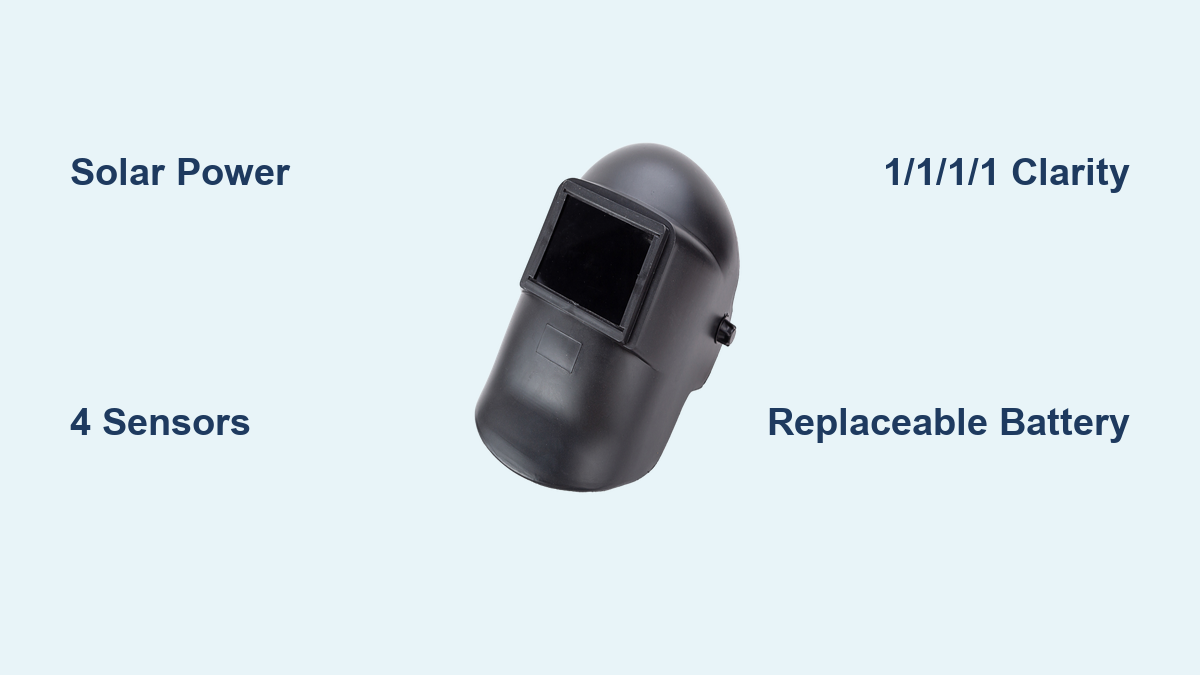
If you’re tired of flipping your helmet up and down or dealing with dead batteries mid-weld, a welding helmet auto darkening solar model is your solution. These advanced helmets instantly darken when they detect an arc, powered primarily by built-in solar cells that convert welding light into energy. Most include backup batteries for reliability, ensuring uninterrupted performance even in low-light conditions.
Modern solar-powered auto-darkening helmets offer true-color optics, fast response times (as quick as 1/30,000th of a second), and wide shade ranges (from 3.5 to 13) suitable for MIG, TIG, Stick, and plasma cutting. Brands like YESWELDER, ARCCAPTAIN, Lincoln Electric, and Miller dominate the market across budget, mid-range, and professional tiers. Whether you’re a DIYer or a full-time welder, choosing the right solar-powered helmet improves safety, comfort, and precision.
This guide breaks down top models, key features, performance metrics, and buying tips to help you pick the best welding helmet auto darkening solar option for your needs.
Top-Rated Solar-Powered Helmet Models
YESWELDER LYG-M800HP Overview
The YESWELDER LYG-M800HP delivers pro-level features at a budget price. With a 1/1/1/1 optical clarity rating, it provides crisp, true-color vision without the green tint common in cheaper models. Its 100mm x 75mm lens (3.94″ x 2.95″) offers a large viewing area, improving weld accuracy.
Powered by solar cells and a replaceable CR2032 battery, it activates instantly when exposed to arc light. The shade adjusts from 9–13, with a lightning-fast <0.2ms response time. It includes grind mode, UV/IR protection up to DIN 16, and operates in temperatures from -10°C to 50°C.
Users praise its clarity and durability, though some report headgear alignment issues over time. At around $60–$80, it’s a top seller with over 19,000 reviews and a 4.5+ star rating. The symmetrical headgear requires even tightening to prevent cracking, but once properly adjusted, it offers excellent stability during long welding sessions.
ARCCAPTAIN VisionMax X200 Highlights
ARCCAPTAIN’s VisionMax X200 stands out with 4 high-sensitivity arc sensors and a massive 4.6″ x 3.2″ viewing area—ideal for complex welds requiring broad visibility. It uses solar power plus a replaceable lithium battery, ensuring consistent operation.
Shade range is DIN 4–13, adjustable via intuitive controls. Response time hits 1/25,000 to 1/30,000 seconds, among the fastest available. The lens delivers true color and 1/1/1/1 clarity, reducing eye strain during long sessions.
Weighing just 2 lbs (907g), it features impact-resistant PP material and comes with a storage bag, extra lenses, and a spare battery. Backed by a 180-day warranty, this model balances performance and value, priced between $80–$130. Its dial-fit headgear allows quick sizing adjustments, making it ideal for shared shop environments.
Lincoln Viking 3350 Performance
The Lincoln Viking 3350 is Amazon’s #1-rated welding helmet and a favorite among professionals. It features 4C Lens Technology for superior color accuracy and contrast, delivering a natural view of the weld pool.
Though exact solar specs aren’t listed, it runs on solar energy with battery backup and supports shade 8–13 (adjustable). It includes grind mode, 4 arc sensors, and ANSI Z87.1+ certification for impact and optical safety.
Its extra-large lens and matte black finish reduce glare, while the lightweight design ensures all-day comfort. Priced at $399–$455, it’s a premium choice for serious welders who demand reliability and clarity. The ratchet-style headgear provides a snug, customizable fit that stays secure during overhead welding.
Miller Digital Infinity™ Features
Miller’s Digital Infinity™ helmet combines cutting-edge tech with ergonomic design. It uses ClearLight 4X Technology for high-definition optics and features 4 arc sensors for reliable arc detection from any angle.
With a variable shade range of 8–13, it adapts to multiple processes including MIG, TIG, and Stick. The helmet is powered by solar energy with battery support and includes light state mode—keeping the lens lightly tinted when not welding for better visibility.
At $427.55, it’s one of Miller’s most advanced models, offering QR code setup, Bluetooth diagnostics (on select versions), and a lightweight headgear system for extended use. This makes it ideal for industrial settings where diagnostics and consistency are critical.
Key Features to Compare
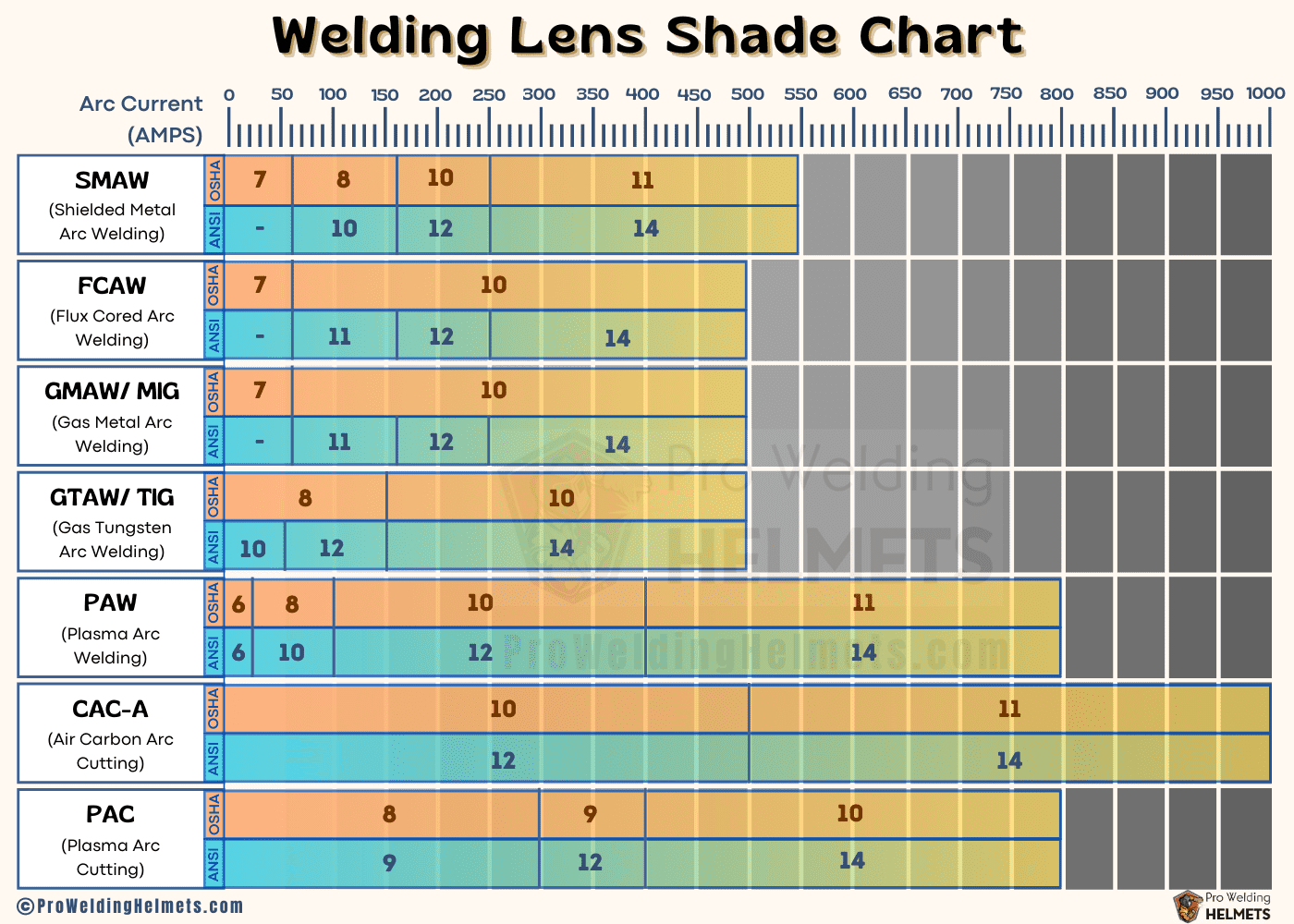
Shade Range & Adjustment Options
A good welding helmet auto darkening solar model should offer a wide shade range for versatility. Most support DIN 4–13, but some start as low as 3.5.
- Shade 3–5: Ideal for grinding or light work
- Shade 8–13: Standard for most welding arcs
- Adjustable sensitivity: Lets you fine-tune how the helmet reacts to different light intensities
Models like the ARCCAPTAIN VisionMax X200 and YESWELDER LYG-850BS let you dial in the exact shade, while others lock into preset levels. For multi-process welding, choose a helmet with fully adjustable shade settings.
Response Time: Speed Matters
Response time determines how quickly the lens darkens after arc ignition. Faster = safer.
- Best-in-class: 1/30,000 seconds (ARCCAPTAIN)
- Average: <0.2 ms (200 microseconds)
- Acceptable minimum: Under 1/20,000 sec
Slow response can expose your eyes to harmful UV/IR radiation before the lens darkens. Always check manufacturer specs—faster than 1/25,000 sec is ideal for precision work.
Optical Clarity Ratings (DIN 1/1/1/1)
Optical clarity is rated on a DIN scale (1–3) across four categories:
– Luminance (light transmission)
– Scatter (glare)
– Variation (uniformity)
– Angular dependence (viewing angle)
A 1/1/1/1 rating means minimal distortion, sharp visuals, and true color—critical for accurate welds. Avoid helmets rated below 1/1/2/2. YESWELDER, ARCCAPTAIN, and Lincoln Viking models all meet this top-tier standard.
Number of Arc Sensors
Arc sensors detect welding light and trigger darkening. More sensors = better coverage.
- 2 sensors: Basic models (e.g., VILSIN K23-5022-LY)
- 4 sensors: Premium detection from front, sides, and angles (YESWELDER, ARCCAPTAIN, Miller)
With only two sensors, tilting your head may delay activation. Four sensors ensure instant response even during overhead or side-angle welding.
Viewing Area Size Comparison
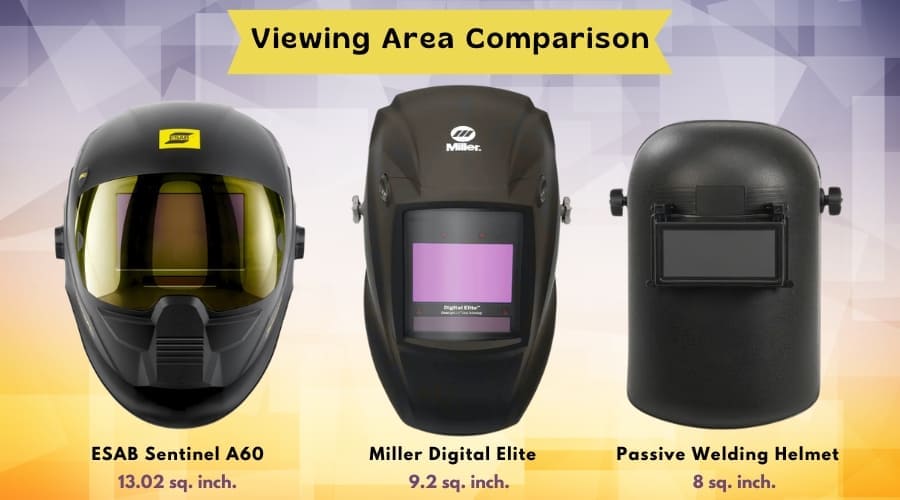
Larger viewing areas improve visibility and reduce neck strain.
| Model | Viewing Area (inches) |
|---|---|
| ARCCAPTAIN VisionMax | 4.6″ x 3.2″ |
| ESAB Sentinel A60 | 4.65″ x 2.80″ |
| YESWELDER LYG-M800HP | 3.94″ x 2.95″ |
| Titan TIT45005 | 2.5″ x 3.5″ |
For intricate work or long sessions, choose a helmet with over 3.5″ width. Panoramic designs like ESAB’s A60 or ARCCAPTAIN’s Intelligent model offer near 180° visibility.
Solar Power & Battery Systems
How Solar Charging Works
Solar-powered helmets use photovoltaic cells built around the lens to harvest energy from arc light or ambient light—no sunlight required. When the arc strikes, the cells generate power to activate the auto-darkening mechanism.
These systems are self-sustaining under normal use. Even indoors, welding arcs provide enough UV/visible light to keep the helmet running.
Most models include backup batteries (CR2032 or lithium) to maintain function during startup or in dim environments.
Hybrid Power: Solar + Battery Backup
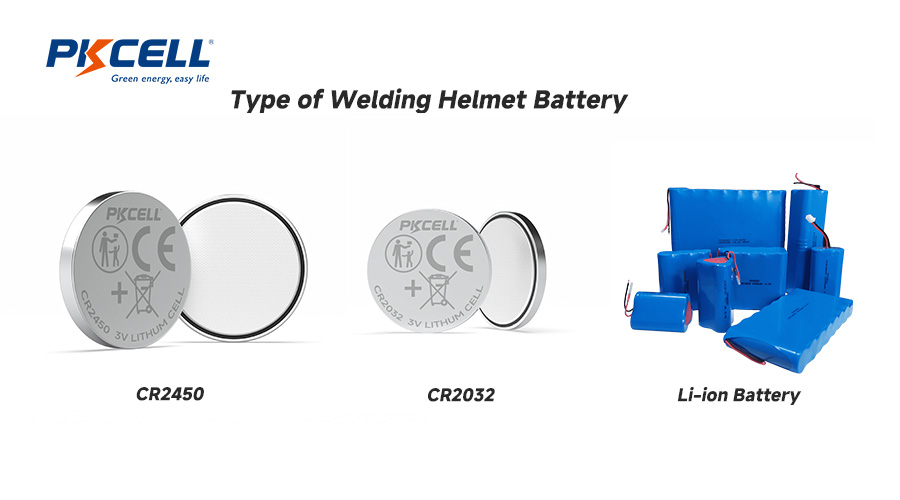
Reliable helmets use dual power systems:
– Primary: Solar cells (infinite lifespan with exposure)
– Backup: Replaceable battery (CR2032, lithium-ion)
This hybrid design ensures:
– No downtime due to dead batteries
– Instant activation even before solar charging kicks in
– Long-term cost savings (no frequent replacements)
Avoid models with non-replaceable fixed batteries—once depleted, the entire helmet may need replacement.
Battery Types and Lifespan
| Battery Type | Avg Lifespan | Replaceable? | Found In |
|---|---|---|---|
| CR2032 | 1–2 years | Yes | YESWELDER, ARCCAPTAIN |
| Lithium-Ion (replaceable) | 1–2 years | Yes | High-end ARCCAPTAIN |
| Rechargeable Fixed | 3–5+ years | No | Jackson WH70 |
| Non-rechargeable Fixed | 1–3 years | No | Older/entry models |
For longevity, choose replaceable batteries. Models like the Jackson WH70 use sealed rechargeable units that last years but cannot be swapped—convenient if you charge regularly.
Final Note: A welding helmet auto darkening solar model is a smart investment in safety, efficiency, and comfort. Whether you’re welding once a month or eight hours a day, choose one with 4 sensors, 1/1/1/1 clarity, shade 4–13, and replaceable power. Solar technology isn’t a gimmick—it’s the future of reliable, maintenance-free welding protection.