
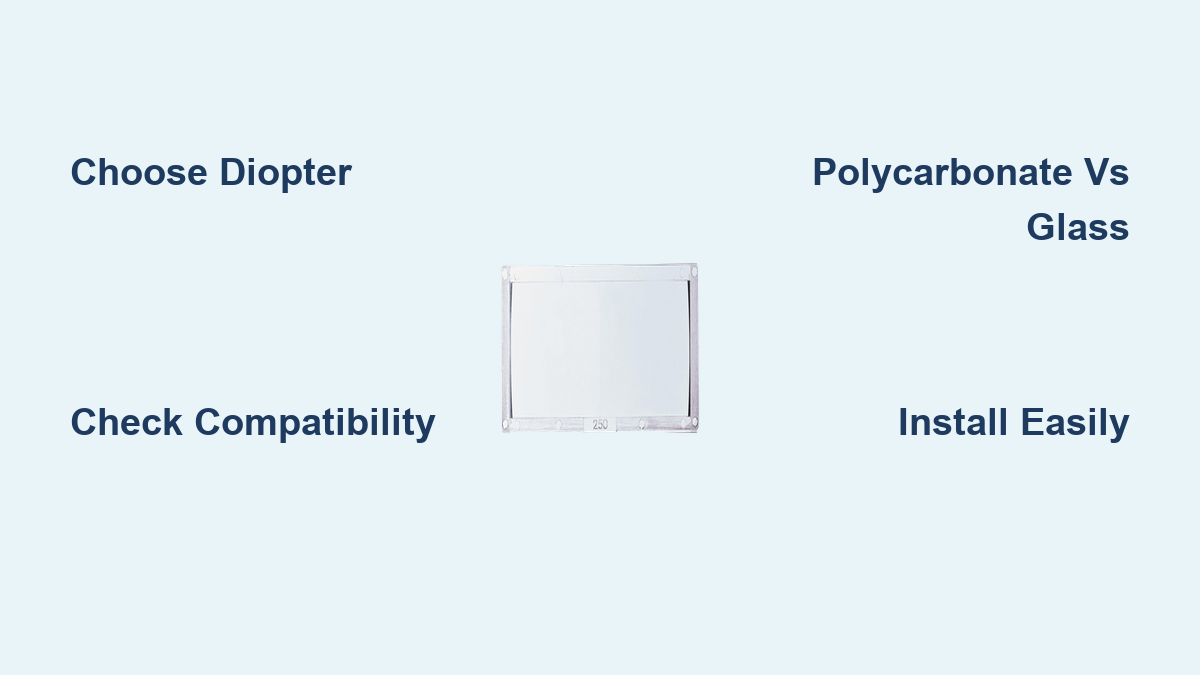
If you’re over 40 or spend hours welding intricate joints, you’ve likely struggled with blurry vision inside your helmet. Squinting at the weld puddle not only strains your eyes but can lead to inconsistent beads and rework. A magnification lens for welding helmet—commonly called a “cheater lens”—solves this problem by bringing fine details into sharp focus without compromising safety. These optical inserts fit directly into your auto-darkening helmet, offering magnification levels from +0.75 to +3.50 diopters. Ideal for TIG welders, aging professionals, and DIYers working on precision projects, they reduce eye fatigue and improve accuracy. Whether you’re repairing thin metal or perfecting a critical joint, the right magnifier can make all the difference. This guide breaks down how to choose the correct strength, which materials and sizes work best, top brands by performance and value, installation tips, and real-world insights from thousands of welders.
Match Your Diopter to Working Distance
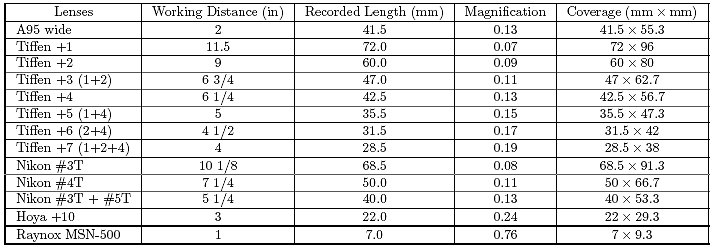
Choosing the right magnification isn’t guesswork—it’s physics. The ideal diopter strength depends on how close you typically weld to the material. Use this simple formula:
Diopter (D) = 1 / Working Distance (in meters)
For example:
– At 50 cm (0.5 m): You need a +2.00 D lens
– At 40 cm (0.4 m): A +2.50 D lens is optimal
– At 33 cm (0.33 m): Consider +3.00 D
Most welders operate between 30–50 cm, making +2.00 D to +2.50 D the most popular choices. Going too high can distort vision or cause disorientation, especially if you’re new to magnified lenses.
Recommended Strengths by Welding Type
| Welding Process | Best Diopter Range | Why It Works |
|---|---|---|
| TIG Welding | +2.00 to +3.00 D | Close-range precision on thin materials |
| MIG/Stick | +1.50 to +2.00 D | Balanced clarity at moderate distances |
| Fine Repair Work | +2.50 to +3.00 D | Micro-joints and tight spaces |
| General Use | +1.50 to +2.00 D | Broad compatibility across tasks |
TIG welders benefit most due to the close proximity and need for bead control. Stick and MIG users often find +1.50 D sufficient unless working on detailed repairs.
Test First with Reading Glasses
Before buying, simulate the effect using off-the-shelf reading glasses:
1. Wear +1.50, +2.00, or +2.50 D glasses
2. Assume your normal welding stance
3. Observe which strength gives the clearest view
This trick helps avoid discomfort from over-magnification—a common complaint among first-time users who jump straight to +3.00 D.
Choose the Right Size and Check Compatibility
Cheater lenses come in two standard sizes designed to fit most auto-darkening helmets.
Small vs Large Lenses
| Size | Dimensions | Best For |
|---|---|---|
| Small | 2″ x 4.25″ (5.08 x 10.8 cm) | Most helmets; standard fit |
| Large | 3.54″ x 4.25″ (9.0 x 10.8 cm) | Wider field of view; preferred for detail work |
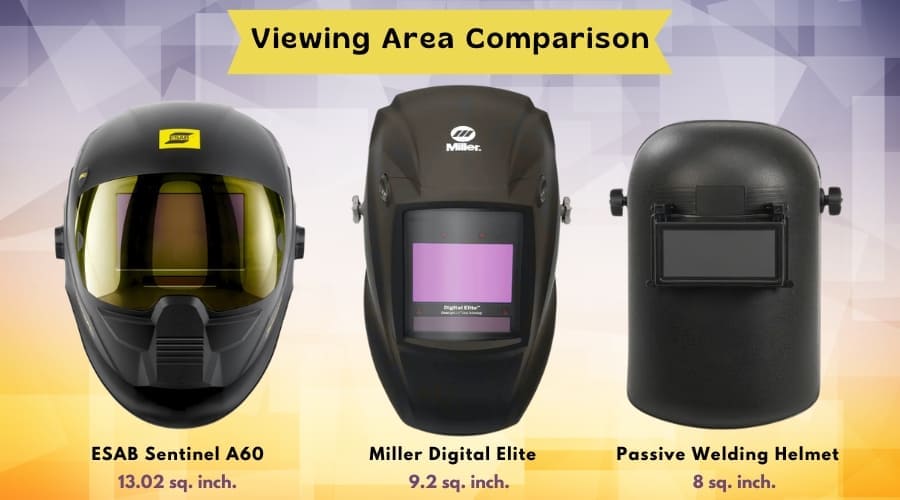
Larger lenses cover more of the viewing area, reducing the need to move your head. However, they may require slight pressure to seat fully in smaller helmet cavities.
Universal Fit—With Exceptions
Most magnification lenses fit major brands including:
– Lincoln Electric
– Miller
– Jackson Safety
– Hobart
– YesWelder
– ARCCAPTAIN
– 3M Speedglas
– ESAB
They install in the front or rear lens compartment, snapping or sliding into place without tools.
But watch for model-specific exceptions:
– YESWELDER lenses: Not compatible with W700A, 900B, 1980GK, 28800G series
– 3M Speedglas 06-0500-59: Only fits Speedglas models
– ESAB 0700600874: Designed specifically for Sentinel A60
Always verify compatibility before ordering.
Polycarbonate vs Glass: Which Material Wins?

Your choice of lens material affects clarity, durability, and comfort.
Polycarbonate Lenses
- Weight: ~0.88–1.6 oz (25–45 g)
- Impact-resistant: Shatterproof, meets ANSI Z87.1 standards
- Brands: YESWELDER, ARCCAPTAIN, TRQWH, Eastwood
Pros: Lightweight, safe, ideal for industrial use
Cons: More prone to scratching than glass
Warning: Avoid alcohol-based cleaners—they can cloud polycarbonate over time.
Optical Glass Lenses
- Weight: Up to 1.8 oz (50 g)
- Scratch-resistant: Superior surface hardness
- Brands: Lincoln Electric (select models), BEST WELDS, TRQWH
Pros: Crisp, distortion-free optics
Cons: Risk of shattering under heavy impact
Glass is preferred for long-term use in controlled environments where scratch resistance matters most.
Install in Under 2 Minutes—No Tools Needed
Installing a magnification lens is fast and simple.
Step-by-Step Installation Guide
- Turn off your auto-darkening helmet (if applicable)
- Remove the outer or inner lens cover (usually snaps out)
- Insert the cheater lens into the frame, aligning it with the viewing area
- Press gently until fully seated—especially important for large lenses
- Replace the cover securely
Visual cue: The lens should sit flat with no gaps or warping.
Troubleshooting Common Fit Issues
- Lens won’t snap in? Try rotating it 180°—some models have orientation tabs.
- Gaps at edges? Ensure the cover is fully latched; misalignment causes wobbling.
- No instructions included? Common with YESWELDER and ARCCAPTAIN—but process is intuitive.
Most users complete installation in under 2 minutes.
Top Brands: Who Makes the Best Magnification Lens?
Several brands dominate the market with reliable performance.
Lincoln Electric – Best Overall
- Models: KP3046-200 (+2.00 D), KP3046-250 (+2.50 D)
- Price: $10.48–$18.95 (individual)
- Rating: 4.6/5 from 720+ reviews
- Why it wins: Excellent fit, trusted durability, available in polycarbonate and glass
Lincoln lenses are widely compatible and consistently praised for clarity.
YESWELDER – Best Value
- Options: +1.50, +2.00, +2.50 D
- Sizes: Small and large
- Price: $15.29–$16.19 for a 2-pack
- Rating: 4.4/5 from 610+ reviews
Highly rated for fit and clarity, especially with ARCCAPTAIN and Hobart helmets.
3M Speedglas – Premium Pick
- Model: 06-0500-59 (+3.0X magnification)
- Price: $17.99
- Rating: 4.4/5
- Best for: 3M helmet owners needing high precision
Engineered specifically for Speedglas systems—don’t expect universal fit.
Harris – Budget Option
- Price: As low as $5.95 for +1.50 D
- Availability: Limited stock (some out of print)
- Best for: Occasional users or testing
Low cost but inconsistent supply.
Real User Feedback: What Welders Say
While most users love cheater lenses, experiences vary—especially at higher magnifications.
Positive Experiences
- “Able to weld without my reading glasses” – Douglas L., YESWELDER user
- “Fits perfectly in my Arccaptain helmet. Perfect.” – Scott S.
- “Just received today, works like a charm in my Hobart, Jackson, and Lincoln.” – Danny
- “This cheater lens is a game changer.” – Ronald D., Miller user
Users consistently praise improved visibility and reduced eye fatigue.
Common Complaints
- “Makes vision crazy, like I’m drunk. Jacks your eyes up.” – Richard H. (rated 2/5)
- “No instructions included” – Multiple reviewers
- “Only 4 left in stock” – Frequent availability alerts
Disorientation usually stems from incorrect diopter selection or lack of acclimatization.
Pro Tip: Start with +2.00 D if unsure—it’s the most balanced option for general use.
Keep Your Lens Clear and Safe
A well-maintained lens lasts longer and performs better.
Cleaning Guidelines
- Use a microfiber cloth and lens-safe cleaner
- Avoid alcohol or ammonia-based sprays on polycarbonate
- Never wipe dry—always apply cleaner first to prevent scratches
When to Replace
Replace your magnification lens if:
– It has deep scratches that impair vision
– Edges are cracked or chipped
– It wobbles or doesn’t seat properly
Even minor damage can distort focus and reduce precision.
Safety Reminders
- Cheater lenses do not replace primary filter lenses
- UV/IR protection comes from the auto-darkening filter—not the magnifier
- Always ensure the primary lens is in place and functional
- Some products carry California Prop 65 warnings due to manufacturing chemicals
Polycarbonate and safety glass versions meet ANSI Z87.1 impact standards.
Optimize for Your Welding Task
Different jobs demand different magnification.
Precision TIG Welding
- Recommended: +2.00 to +3.00 D
- Why: Close proximity to joint, need for bead control
- Tip: Use large-size lens for wider puddle view
TIG welders report the greatest improvement in consistency and finish quality.
General MIG and Stick
- Recommended: +1.50 to +2.00 D
- Why: Sufficient enhancement without narrowing field of view
- Avoid: +3.00 D or higher—it can make tracking wide beads difficult
Ideal for aging welders who want clear vision without reading glasses.
Hobbyists and DIYers
- Start with +2.00 D 2-pack
- Try both small and large sizes to see what fits best
- Buy multi-diopter packs (e.g., 1.0–3.0 D) for varied projects
Many hobbyists use these lenses across multiple helmets.
Buy Smart: Save Money Without Sacrificing Quality
You don’t have to pay full price—smart shopping saves money.
Price Comparison by Strength
| Diopter | Lowest Price | Highest Price | Typical Range |
|---|---|---|---|
| +1.50 D | $5.95 (Harris) | $18.95 | $10–$14 |
| +2.00 D | $7.80 | $20.99 | $10–$16 |
| +2.50 D | $7.83 | $21.39 | $14–$17 |
| +3.00 D | $9.99 | $19.99 | $16–$18 |
Lincoln and Miller command premium prices; YESWELDER offers best value.
Multi-Pack Savings
- 2-pack: Standard (YESWELDER, ARCCAPTAIN, Lincoln)
- 3-pack: ~$29.99 for three +2.0 D lenses
- 5-pack: Mixed diopters (1.0–3.0 D), ideal for shops with multiple users
Bulk buyers can get 5%–28% off via Amazon coupons or “Buy 10, Save 10%” deals.
When to Buy
- New helmet purchase? Add a cheater lens immediately
- Feeling eye strain? Don’t wait—early use prevents fatigue
- Stock running low? Harris and FDJ-L models frequently sell out
Set price alerts on Amazon for your preferred model.